






How Can Fertilizer Wastewater Treatment Solve Agricultural Environmental Pollution?
With the global population increasing and agricultural demand rising, the use of fertilizers continues to grow annually. While fertilizers boost crop yields, excessive use leads to the discharge of fertilizer wastewater, which seriously pollutes water, soil, and air. Fertilizer wastewater contains high levels of nitrogen, phosphorus, and heavy metals, which can harm water bodies, soil, air quality, and human health.
WTEYA is committed to providing advanced, low-energy, and eco-friendly fertilizer wastewater treatment technologies to address agricultural environmental pollution at its root.
The Hazards of Fertilizer Wastewater Pollution
Fertilizer wastewater pollution affects not only water resources but also soils and ecosystems in the long term. The main hazards include:
1. Water Eutrophication 💦
Nitrogen and phosphorus in fertilizer wastewater promote algal growth in water bodies, causing oxygen depletion and threatening aquatic life and biodiversity.
2. Soil Pollution 🌾
Heavy metals and salts in wastewater alter soil structure, leading to acidification or salinization, reducing soil productivity, and negatively impacting crop growth.
3. Groundwater Contamination 💧
Chemicals like nitrates can seep into groundwater, affecting irrigation and potentially contaminating drinking water.
4. Air Pollution 🌫️
Ammonia and volatile organic compounds (VOCs) from wastewater can enter the atmosphere, reducing air quality and contributing to climate issues.
WTEYA’s Efficient Fertilizer Wastewater Treatment Technologies
Through years of innovation, WTEYA provides high-efficiency and eco-friendly solutions for fertilizer wastewater treatment. Key technologies include:
| Technology | Advantages | Suitable Applications |
|---|---|---|
| MVR Evaporator | Energy-saving, automated control | Low evaporation rate wastewater |
| Multiple-Effect Evaporator (MEE) | High thermal efficiency, low steam consumption | Large-scale wastewater treatment |
| Forced Circulation Crystallizer | Anti-scaling, suitable for high-viscosity, high-salt wastewater | High-viscosity wastewater |
| Rising/Falling Film Evaporator | High heat transfer, simple operation, suitable for foamy wastewater | Heat-sensitive and foamy wastewater |
1. MVR Evaporator (Mechanical Vapor Recompression) ♻️
MVR evaporators compress secondary steam to heat wastewater, recycling energy and providing one of the most energy-efficient evaporation methods, ideal for low evaporation rate wastewater.
Advantages:
• Energy-efficient: recycles heat, reducing energy consumption
• Highly automated: minimizes manual intervention
• Suitable for heat-sensitive materials
• Compact design: saves space for factories and agricultural bases
2. Multiple-Effect Evaporator (MEE) 🌍
MEE connects multiple evaporators in series, maximizing heat utilization efficiency and suitable for large-scale wastewater treatment.
Advantages:
• High thermal efficiency, low steam consumption
• Handles large volumes: ideal for agricultural parks and irrigation systems
• Proven stability through years of application
3. Forced Circulation Crystallizer 🔄
This system uses circulation pumps to prevent scaling, making it ideal for high-viscosity and high-salt wastewater while precisely controlling crystal size.
Advantages:
• Strong anti-scaling performance
• Suitable for high-viscosity wastewater
• Adjustable crystal size to meet specific requirements
4. Rising/Falling Film Evaporator 🔥
Combining rising and falling film evaporation, this system is efficient for low-concentration, foamy, and heat-sensitive wastewater.
Advantages:
• High heat transfer efficiency
• Suitable for foamy or low-concentration wastewater
• Simplified operation and maintenance
Real-World Application Cases 💡
WTEYA’s technologies have been successfully applied in multiple agricultural projects.
Example:
In a large agricultural park, MEE and MVR evaporators were combined to remove nitrogen, phosphorus, and heavy metals from wastewater. The treated water met irrigation standards and reduced the need for external water sources.
Results:
• Water quality met standards: nitrogen and phosphorus reduced by 40%
• Energy savings: total energy consumption reduced by 20%
• Environmental benefits: reduced pollution to surrounding water and soil, improved local ecology
Future Trends: Smart, Low-Energy, and Renewable Integration 🔮🌍
Fertilizer wastewater treatment is moving toward intelligent control, low-energy consumption, and integration with renewable energy. WTEYA combines big data, IoT, and smart systems to optimize wastewater treatment, improve efficiency, reduce carbon emissions, and promote sustainable agriculture.
Future Focus:
• Intelligent control systems: real-time monitoring and automatic adjustments
• Modular design: scalable for different facility sizes
• Renewable energy integration: solar and wind energy to reduce energy use and achieve near-zero emissions
Conclusion:
Fertilizer wastewater treatment is key to addressing agricultural environmental pollution. WTEYA’s efficient, energy-saving, and eco-friendly solutions help agricultural enterprises:
• Reduce pollutants in wastewater
• Improve water reuse and reduce dependence on natural sources
• Promote sustainable and green agriculture
Choosing WTEYA means contributing to a greener future and advanced water management solutions.
Why Partner with WTEYA?
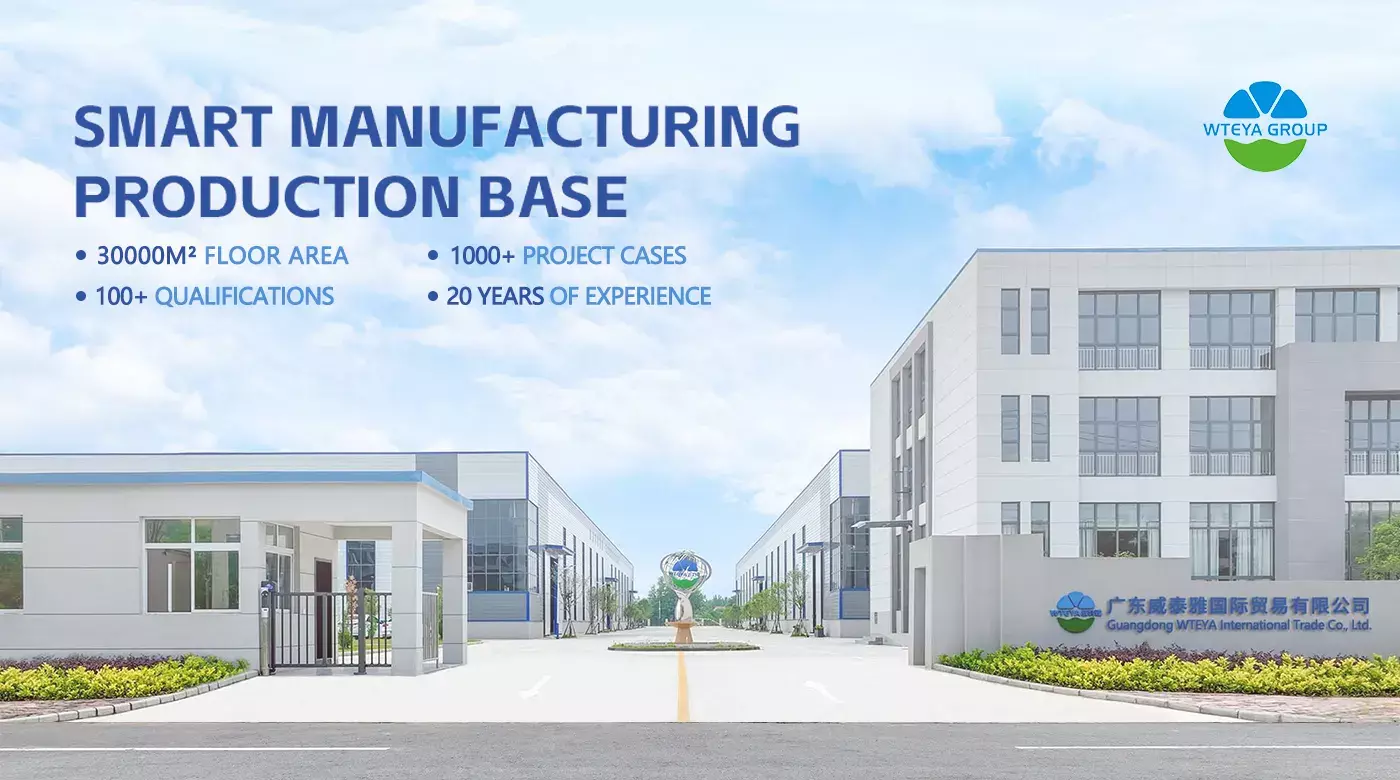
• Nearly 20 years of industry experience
• Trusted by global leaders including Foxconn, Huawei, Ganfeng Lithium, Ronbay Technology
• 100+ success cases worldwide
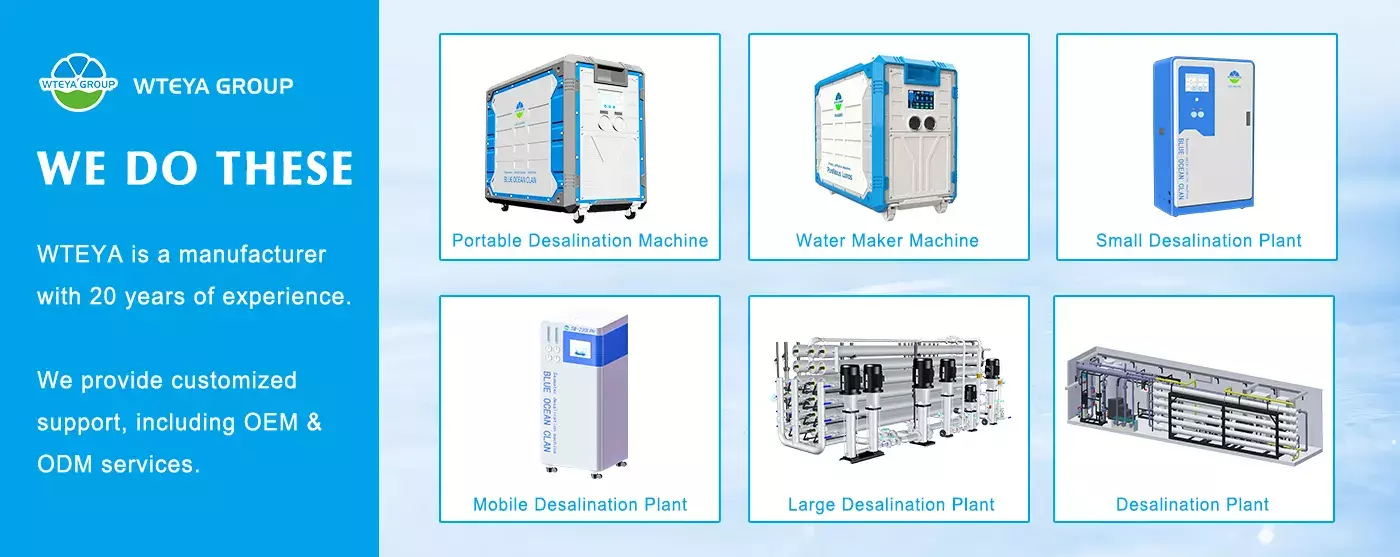
• OEM & ODM customization available
Become a WTEYA Distributor!
We are expanding global partnerships:
• Preferential policies
• Professional training
• Full technical support
Let us help you achieve exceptional water quality and operational sustainability!
📲 WhatsApp: +86-1800 2840 855
📧 Email: info@wteya.com
🌐 Website: www.wteya.com