







Desalination Plant Construction Timeline: Phase by Phase
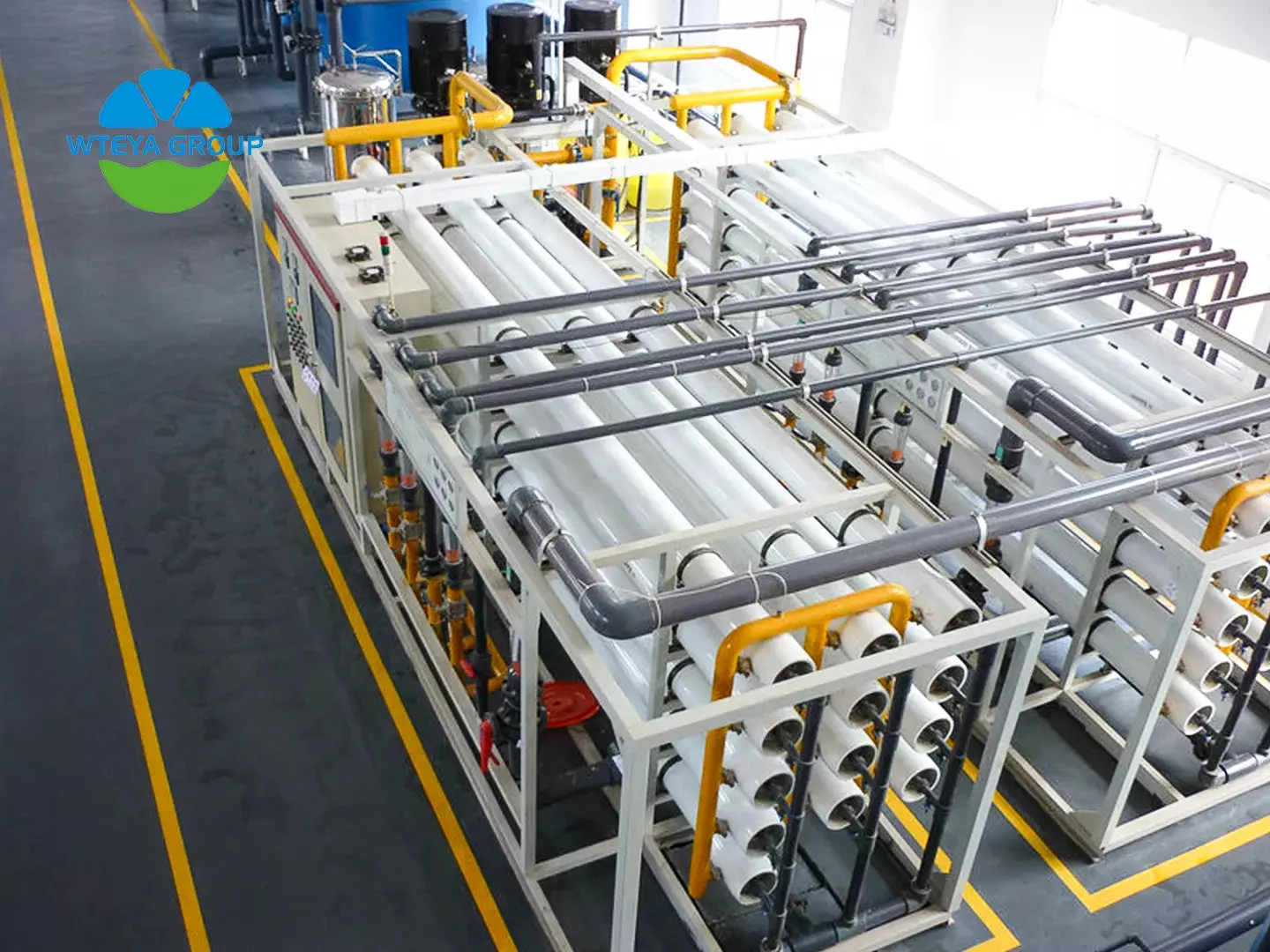
A seawater desalination plant ordered today is usually producing water within one to three months. That window — roughly 30 to 90 days from contract signature to acceptance — is not a marketing figure: it is the sum of four phases that can partly overlap, and the way they overlap decides whether a project lands at the short end or the long end.
For planning purposes the useful question is not “how long does it take” but “which phase is on the critical path”. In most projects it is manufacturing, which is why plants built from standard models with units in stock can be delivered in two to four weeks, while a fully customised train can double the schedule.
📅 The Overall Window: 30 to 90 Days
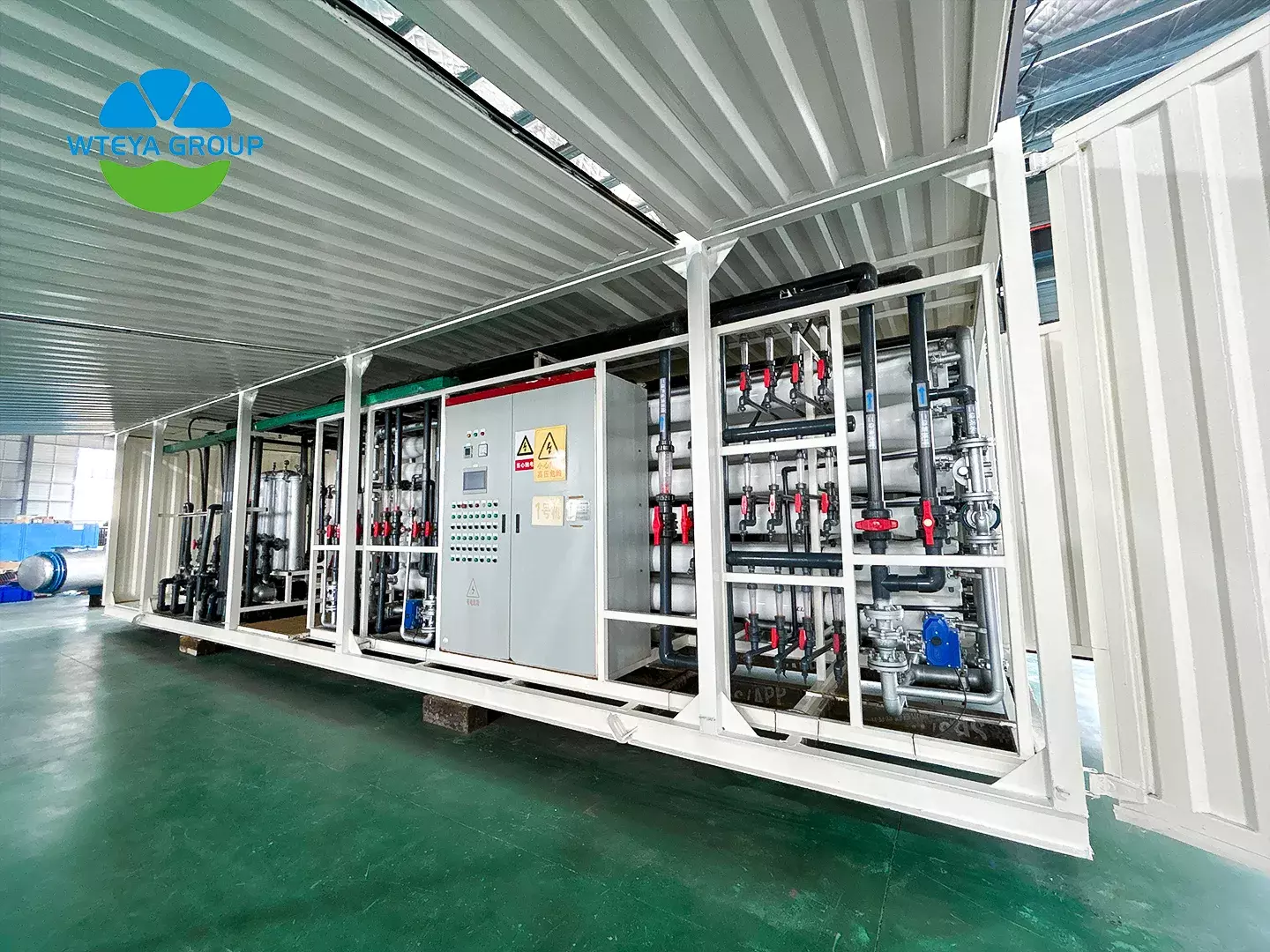
A 5 t/h system typically takes 30–45 days from order to first water; a 10 t/h system takes 45–60 days. Containerized plants, where the membrane skid, pretreatment, pumps and controls are assembled inside a single structure at the factory, need the least site work and therefore sit at the short end of the range.
Those figures assume the site is ready when the equipment arrives. If civil foundations, the intake and the outfall are still under construction, the equipment waits — and waiting on site is more expensive than waiting in the factory, because the schedule is already visible to everyone involved.
📐 Phase 1 — Design and Site Verification: 5–10 Days
The first phase is a site visit, a raw water analysis and confirmation of the process scheme and quotation. Feed water data drive everything downstream: salinity, turbidity, temperature range and seasonal variation determine the pretreatment scope, and the pretreatment scope determines both the price and the manufacturing time.
Two decisions made in this phase save weeks later. The first is fixing the site layout with a general arrangement drawing that shows dimensions, foundation loads and nozzle orientation. The second is confirming the power supply — voltage, phase and available capacity — before the electrical design is frozen.
🏭 Phase 2 — Manufacturing: 20–45 Days
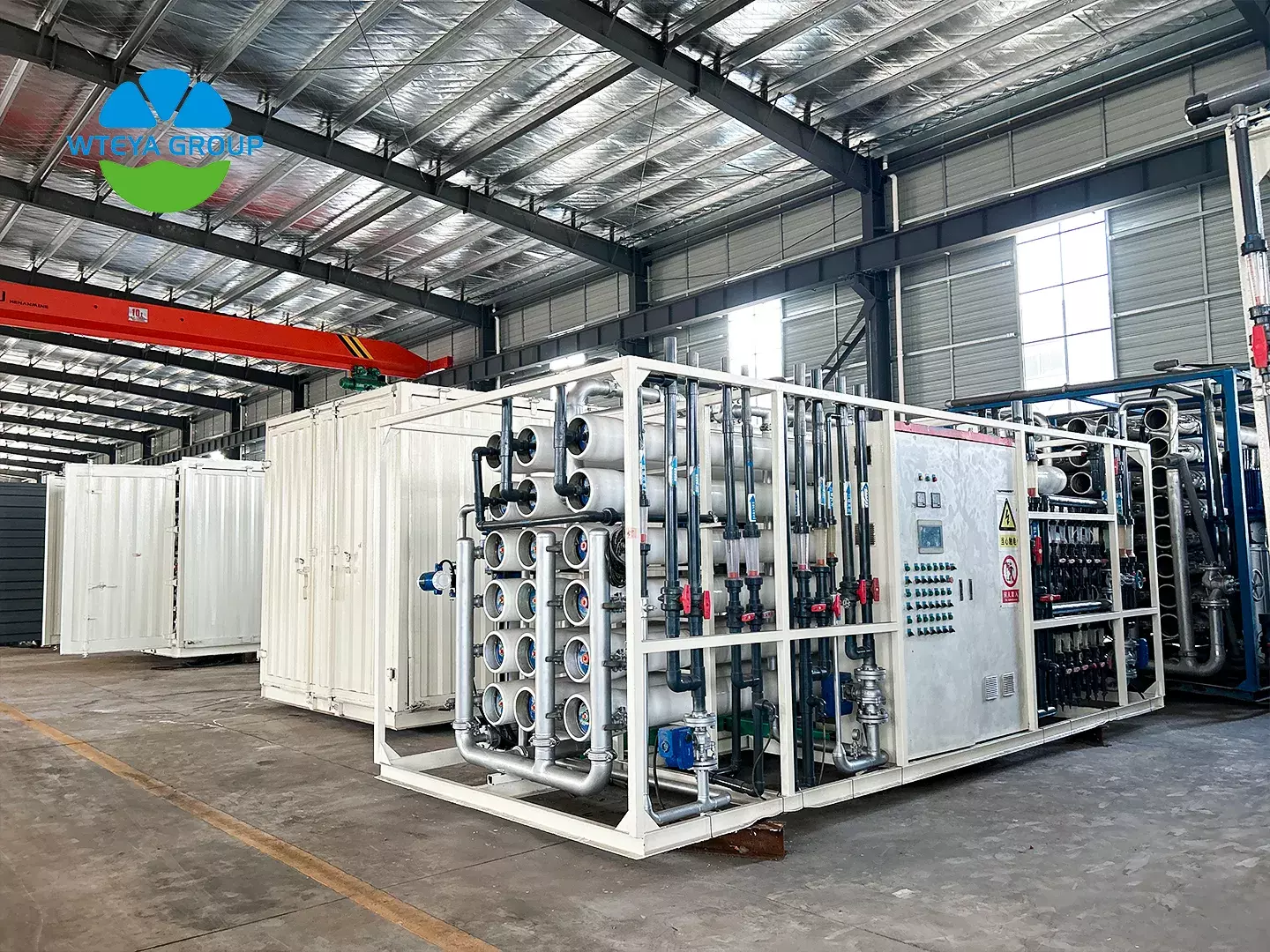
Manufacturing is normally the critical path. A 5 t/h train takes about 20–30 days; a 10 t/h train about 30–45 days. Where a standard model is held in stock, this phase collapses and the whole project can be delivered in two to four weeks.
Customisation is what extends it. High-turbidity feed water may require dissolved air flotation or ultrafiltration ahead of the membranes; high salinity may require energy recovery or a two-pass arrangement. Each added unit lengthens fabrication and adds its own commissioning time, so the pretreatment decision belongs in phase one, not after the order is placed.
🚢 Phase 3 — Transport: 3–15 Days
Skid-mounted and integrated units travel by road in 3–7 days domestically. Containerized plants go by sea, and the transit time depends on the route, the sailing schedule and customs clearance at both ends — that is why the range extends to about two weeks for export projects.
Transport is also where documentation matters. Packing lists that match the shipping marks, certification for pressure vessels and a commissioning spares kit sent with the main shipment all prevent the classic delay of a plant that has arrived but cannot be started.
🔧 Phase 4 — Installation and Commissioning: 3–15 Days
On site, an integrated or containerized plant is set in place and connected in 3–7 days; a skid-mounted plant that requires field piping takes 7–15 days. Commissioning then covers flushing, hydrostatic testing, membrane loading, and verification of output, recovery and product quality against the contract figures.
Commissioning is not a formality. It is the point where pretreatment dosing, pump settings and control logic are tuned to the actual feed water, and it is where operator training happens. Skipping it to save a few days is normally repaid in the first months of operation.
⚡ What Shortens or Stretches the Schedule
Five factors decide where a project lands inside the range:
- Stock availability — a standard model in stock can cut the total to 2–4 weeks;
- Plant form — containerized is fastest on site, skid-mounted is slightly slower;
- Degree of customisation — enhanced pretreatment adds fabrication and commissioning time;
- Site readiness — foundations, intake, outfall and power must be finished before arrival;
- Season — typhoon periods and cold-water commissioning windows affect transport and testing.
The single most effective measure is to run civil works and equipment manufacturing in parallel rather than in sequence. Choosing a standard containerized model, preparing the three-phase supply and nominating operators early removes most of the avoidable delay.
🏆 Why Choose WTEYA
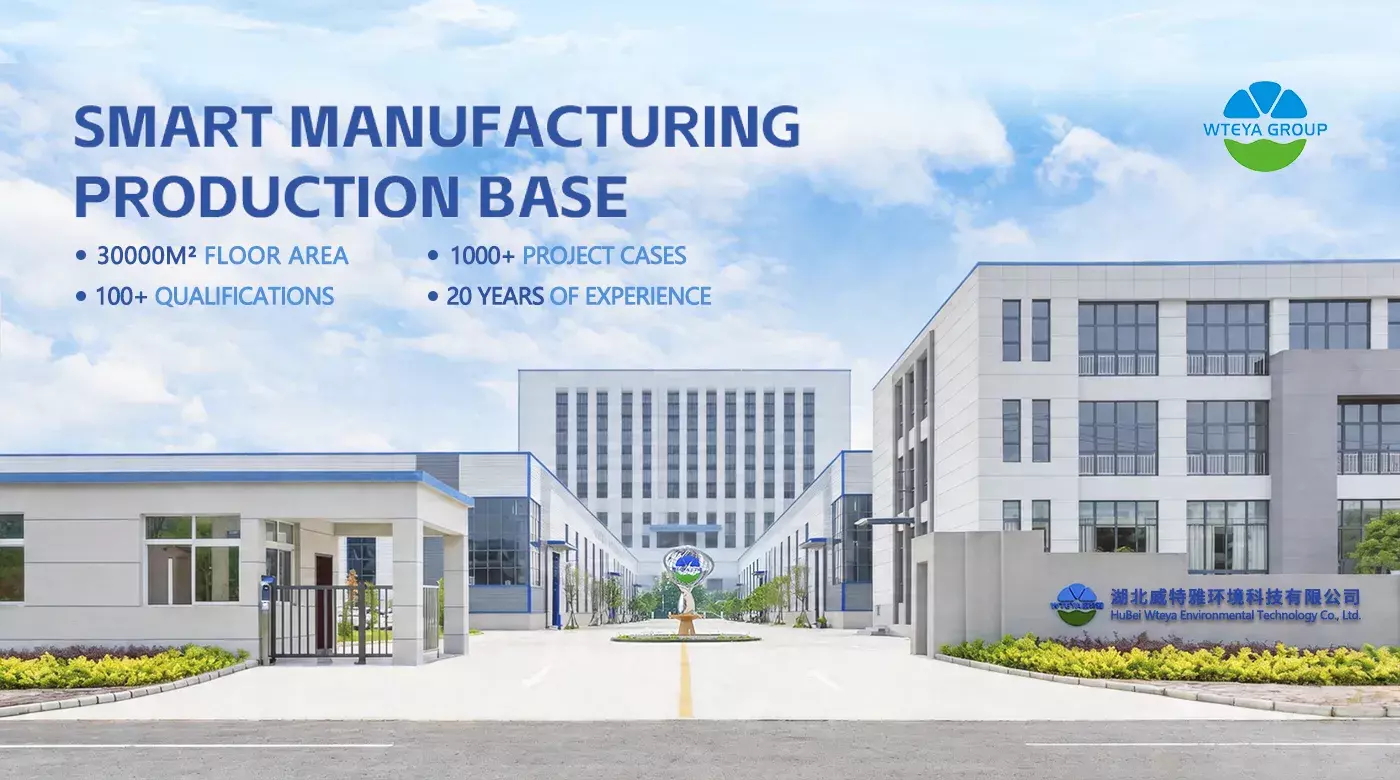
WTEYA has built water treatment and evaporation equipment since 2009, operates a 30,000 m² manufacturing base in Jingshan, and works through 42 branches and subsidiaries with more than 500 employees. The company has served over 2,000 customers, holds close to 200 patents and reports equipment stability above 99%.
Standard delivery is quoted at 30–60 days from order confirmation, with a 48-hour on-site response commitment for service. Because the seawater range covers portable units, 4040 small systems, containerized plants and integrated trains, the same engineering team can size the plant and the schedule against the same feed water analysis.
❓ Related FAQs
How Does a Seawater Desalination Plant Work?
How Much Energy Does a Seawater Desalination Plant Use?
How Much Power Does a Small Seawater Desalination Unit Need?
How Much Does a Portable Seawater Desalination Machine Cost?
Can a Portable Seawater Desalination Machine Run on Solar Power?
Become a WTEYA authorized dealer for desalination equipment — exclusive territories, competitive pricing and full factory support.
Schedule a video call with our engineers to explore your options.
📲 WhatsApp: +86-1800 2840 855
📧 Email: info@wteya.com
🌐 Website: www.wteya.com
Previous: How Does a Boat Water Maker Work?
Next: No More