







High-Concentration Pulp and Paper Wastewater Treatment: From Pollutant Removal to Stable System Operation
Paper manufacturing involves several processes, including pulping, pulp washing, bleaching, and papermaking. Each production stage generates wastewater with different pollutant compositions and concentrations. High-strength wastewater, in particular, often contains substantial amounts of fibers, lignin, chemical additives, and other organic compounds. These characteristics can result in high COD and BOD levels, elevated suspended solids, and significant fluctuations in water quality.
Simply focusing on pollutant removal is often insufficient to address the practical challenges of wastewater treatment. As treatment progresses, certain pollutants become increasingly concentrated, potentially increasing the load on downstream processes and contributing to equipment scaling, sludge accumulation, and higher operating costs.
Therefore, the real challenge in high-concentration pulp and paper wastewater treatment is not just removing pollutants, but ensuring that the entire treatment system can maintain stable and reliable operation over the long term.
1. Why Does Pulp and Paper Wastewater Create a High Treatment Load?
Pollutants in pulp and paper wastewater come from multiple sources and are not limited to a single component. Fibers and fine suspended solids generated during production can enter the wastewater stream, while lignin and its derivatives increase the organic load. Certain chemical additives may also affect the biodegradability of the wastewater.
COD (Chemical Oxygen Demand) and BOD (Biochemical Oxygen Demand) are important indicators used to evaluate the organic pollution load of pulp and paper wastewater. When wastewater with high organic concentrations enters downstream treatment systems, insufficient solid-liquid separation and pretreatment can significantly increase the burden on biological treatment processes.
In addition, substantial variations in influent quality may disrupt microbial activity, making it more difficult to maintain consistent effluent quality.
For this reason, high-concentration pulp and paper wastewater cannot usually be treated effectively by a single process. Different treatment stages need to address specific pollutant characteristics, removing or reducing readily separable contaminants at the front end and reserving downstream treatment capacity for more difficult pollutants.
Major Challenges in Pulp and Paper Wastewater Treatment
| Pollutant or Operational Issue | Main Characteristics | Impact on the Treatment System |
|---|---|---|
| Fibers and suspended solids | High concentrations and fine particles | Increase solid-liquid separation and sedimentation loads |
| Organic matter | Lignin, cellulose, and other organic compounds | Increase COD and BOD levels and biological treatment loads |
| Chemical additives | Complex compositions, including some poorly biodegradable substances | Affect wastewater biodegradability |
| Fluctuating water quality | Significant concentration changes between production stages | Cause sudden variations in system loading |
| High-concentration wastewater streams | Accumulation of salts and pollutants | Increase scaling, corrosion, and final disposal challenges |
The objective of wastewater treatment is therefore not simply to reduce one particular pollutant indicator, but to distribute the treatment load appropriately across different process units.
2. From Pollutant Removal to Stable Operation: Why Treatment Loads Must Be Managed Step by Step
For high-strength organic wastewater from the pulp and paper industry, an effective treatment system generally combines physical, chemical, biological, and advanced treatment processes.
The core principle is to avoid placing the entire treatment burden on a single piece of equipment. Instead, each treatment unit should perform a specific function according to the characteristics of the wastewater.
WTEYA can develop customized wastewater treatment configurations for the pulp and paper industry based on actual water quality and treatment requirements.
Typical Treatment Process:
Wastewater Collection → Screening → Grit Removal → Coagulation and Sedimentation → Biological Treatment → Secondary Sedimentation → Disinfection → Evaporation and Concentration → Sludge Dewatering
Front-End Treatment: Reducing the Initial Pollutant Load
The wastewater collection system should first help balance water quality and flow rates, reducing the impact of production fluctuations on downstream equipment.
Screening and grit removal are primarily used to remove larger solids and particulate matter, helping reduce the operating pressure on subsequent treatment units.
After preliminary treatment, coagulation and sedimentation can further remove suspended solids, colloidal substances, and some organic pollutants. In pulp and paper wastewater treatment, this stage not only reduces the initial pollutant load but also helps lower the burden on the subsequent biological treatment system.
Intermediate Treatment: Further Reducing Organic Loads Through Biological Processes
Biological treatment primarily targets biodegradable organic compounds. Through microbial metabolism, these substances are further broken down, reducing COD and BOD levels.
After biological treatment and secondary sedimentation, the effluent quality is further improved. Depending on the final discharge or water reuse requirements, additional advanced treatment and disinfection processes may be incorporated. The key is not to make the biological system responsible for removing every pollutant. Instead, effective pretreatment should create relatively stable operating conditions for microbial activity.
3. Why Is Evaporation and Concentration Necessary for High-Concentration Wastewater?
Conventional biological treatment is generally more suitable for biodegradable organic pollutants. However, for wastewater streams that still contain high concentrations of salts and pollutants that are difficult to remove through conventional processes, biological treatment alone may not achieve the required level of volume reduction or resource recovery.
In these situations, evaporation and concentration can serve as important downstream treatment processes.
The technology uses the different evaporation characteristics of water and non-volatile pollutants. Water is converted into vapor and subsequently condensed for recovery, while salts and other non-volatile substances remain in the concentrated liquid.
Three Key Functions of Evaporation and Concentration
• Wastewater Volume Reduction: A large proportion of the water is converted into vapor and recovered as condensate, reducing the volume of residual liquid requiring further treatment.
• Pollutant Concentration: Non-volatile pollutants are concentrated into a smaller volume of liquid.
• Supporting Zero Liquid Discharge (ZLD): Depending on the characteristics of the concentrate, additional crystallization processes can be introduced to achieve further volume reduction.
However, evaporation is not necessarily the first treatment step for every pulp and paper wastewater stream.
If raw wastewater with high organic content and suspended solids enters an evaporation system without sufficient pretreatment, problems such as foaming, scaling, and reduced heat transfer efficiency may occur.
Therefore, proper coordination between front-end pollutant reduction and downstream evaporation is essential for stable operation.
4. How Does an MVR Evaporator Reduce Energy Consumption in High-Concentration Wastewater Treatment?
Energy consumption is a major consideration in industrial wastewater evaporation.
Traditional evaporation systems require a continuous supply of external steam. If the secondary vapor generated during evaporation is directly condensed and discharged, much of its available thermal energy is not fully utilized.
Mechanical Vapor Recompression (MVR) technology addresses this issue by recovering and reusing secondary vapor within the evaporation system.
MVR Operating Principle:
Wastewater Evaporation → Secondary Vapor Generation → Vapor Compression → Increased Vapor Temperature and Pressure → Reuse as a Heating Source → Further Evaporation
Through this continuous cycle, secondary vapor that would otherwise be discharged is compressed and reused as an internal heat source, reducing the system's dependence on external steam.
Key Benefits of MVR Evaporators
| Aspect | Function |
|---|---|
| Energy Recovery | Compresses and recirculates secondary vapor for heat reuse |
| Reduced External Steam Demand | Decreases the need for continuous fresh steam input compared with conventional evaporation |
| Continuous Operation | Suitable for industrial wastewater projects requiring extended operating periods |
| Automated Control | Adjusts operating conditions based on parameters such as temperature, pressure, and flow rate |
| Downstream Volume Reduction | Further reduces the volume of high-concentration wastewater streams |
It is important to understand that MVR is not a standalone solution for every wastewater treatment challenge in the pulp and paper industry. Its actual performance depends on influent water quality, pretreatment efficiency, evaporator design, circulation configuration, and the target concentration level.
5. Why Should Pulp and Paper Wastewater Treatment Focus on Long-Term Stability?
For industrial wastewater projects, achieving compliant effluent quality in a single treatment cycle does not necessarily mean that the system has been properly designed.
Changes in production loads and raw materials can cause continuous variations in wastewater characteristics. As a result, the treatment system needs sufficient resistance to fluctuations in influent quality and hydraulic loading.
During high-concentration treatment, increasing concentration levels can cause salts and other pollutants to accumulate. This may expose evaporation equipment to scaling, corrosion, foaming, and reduced heat transfer efficiency.
The evaporation system must therefore be designed around actual wastewater characteristics to determine an appropriate concentration level, rather than simply pursuing the highest possible concentration ratio. In addition, the amount of sludge generated during pretreatment, the disposal route for concentrated liquid, and the reuse of recovered condensate all influence the overall project economics.
Key Factors in a Complete Zero Liquid Discharge Solution
Influent Water Quality → Pollutant Reduction → Biological Treatment → Advanced Treatment → Evaporation and Concentration → Concentrate/Crystallized Salt Treatment → Condensate Recovery and Reuse
This means that achieving zero liquid discharge is not simply a matter of adding an evaporator to the end of a conventional wastewater treatment line. It requires an integrated design based on the overall material balance, operating conditions, and treatment costs.
6. How Does WTEYA Develop Zero Liquid Discharge Solutions for the Pulp and Paper Industry?
For wastewater generated by different pulp and paper production processes, WTEYA can develop integrated treatment configurations based on actual influent quality, treatment capacity, pollutant composition, and final discharge or reuse requirements.
At the front end, processes such as screening, grit removal, coagulation, and sedimentation help reduce suspended solids and organic pollutant loads. Biological treatment is then used to further remove biodegradable organic matter. Downstream evaporation and concentration units can be incorporated according to the specific requirements of the project.
For projects requiring a higher degree of wastewater volume reduction and zero liquid discharge, additional concentration and crystallization processes can be integrated to treat the residual liquid.
For evaporation applications, WTEYA utilizes MVR technology to recover thermal energy from secondary vapor through mechanical compression, reducing the demand for external heat sources.
Automated control systems can also monitor key operating parameters, including temperature, pressure, flow rate, and liquid level, allowing the system to adjust according to actual operating conditions.
For pulp and paper wastewater treatment, the main objective is not simply to maximize the capacity of an individual piece of equipment. It is to establish an appropriate distribution of treatment loads between front-end pollutant removal, biological treatment, and downstream concentration processes.
This integrated approach helps reduce the operating pressure on individual treatment units and supports more stable system performance.
7. Moving Beyond Effluent Compliance Toward Long-Term Stable Operation
The main challenges in high-concentration pulp and paper wastewater treatment are often related to high pollutant concentrations, complex wastewater compositions, fluctuating water quality, and interactions between different treatment stages.
An effective treatment solution should therefore divide the treatment process according to pollutant characteristics:
Front-End Pretreatment
↓
Reduction of suspended solids and organic loads
↓
Biological Treatment
↓
Further reduction of biodegradable pollutants, including COD and BOD
↓
Advanced Treatment and Evaporation
↓
Wastewater volume reduction, concentration, and water recovery
↓
Crystallization and Final Residue Management
↓
Support for more comprehensive zero liquid discharge requirements
For pulp and paper manufacturers pursuing zero liquid discharge, MVR evaporators can play an important role in downstream concentration. However, they should not be regarded as standalone equipment capable of solving every wastewater treatment challenge.
Only by coordinating pretreatment, biological treatment, evaporation, and the management of sludge and concentrated residues can manufacturers improve system stability while maintaining control over operating costs.
Through integrated wastewater treatment processes, WTEYA provides the pulp and paper industry with systematic solutions covering pollutant reduction through downstream concentration. These solutions help manufacturers meet environmental requirements while reducing wastewater treatment loads and supporting water recovery and further wastewater volume reduction.
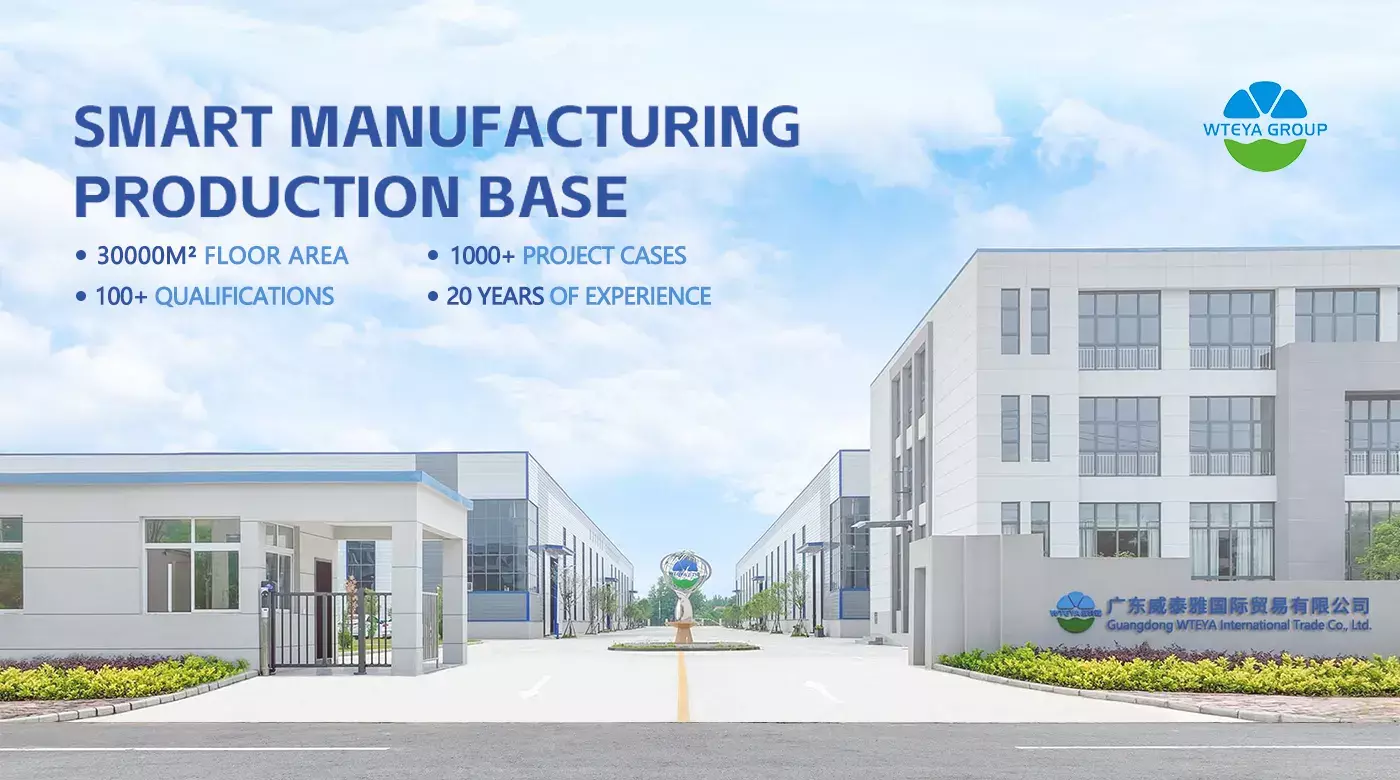
Why Partner with WTEYA?
• Nearly 20 years of industry experience
• Trusted by global leaders including Foxconn, Huawei, Ganfeng Lithium, Ronbay Technology
• 100+ success cases worldwide
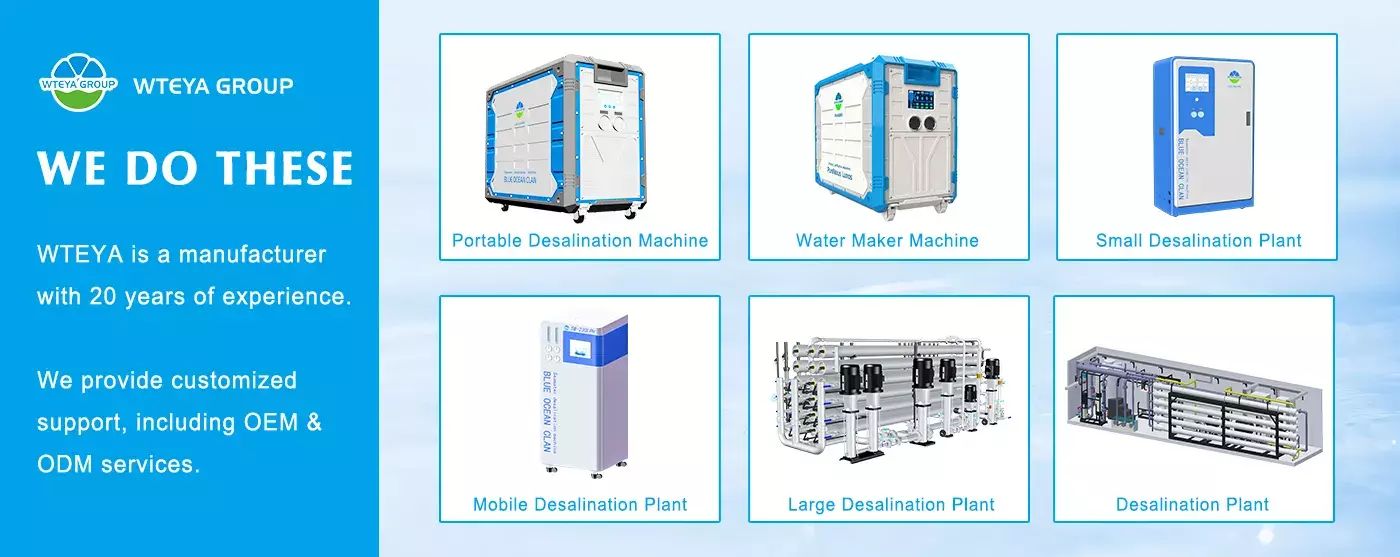
• OEM & ODM customization available
Become a WTEYA Distributor!
We are expanding global partnerships:
• Preferential policies
• Professional training
• Full technical support
Let us help you achieve exceptional water quality and operational sustainability!
📲 WhatsApp: +86-1800 2840 855
📧 Email: info@wteya.com
🌐 Website: www.wteya.com
Previous: Membrane vs Thermal Desalination: How to Choose
Next: No More