






What Are the Core Challenges of Landfill Leachate Treatment?
Landfill leachate is widely recognized as one of the most complex and difficult wastewater types to treat and maintain in stable operation. With increasingly strict environmental regulations, many landfill operators are facing a common challenge: traditional leachate treatment systems are no longer sufficient for long-term stable compliance.
In many projects, discharge standards may be achieved during the initial operation stage. However, after several years of running, common issues often begin to appear:
• Unstable effluent quality
• High ammonia nitrogen levels exceeding limits
• Frequent membrane fouling
• Severe scaling in evaporation systems
• Inability to fully treat concentrate
• Continuously increasing operational costs
These problems are fundamentally caused by the highly complex and variable nature of landfill leachate itself.
🌊 Why Is Landfill Leachate More Difficult Than Conventional Industrial Wastewater?
Unlike conventional industrial wastewater, landfill leachate does not have a fixed composition. It is generated through long-term waste decomposition, compaction, fermentation, and rainwater infiltration.
Due to the complexity of waste sources, landfill leachate typically contains:
• High concentrations of organic pollutants
• Ammonia nitrogen (NH₃-N)
• High salinity
• Heavy metals
• Various refractory organic compounds
More importantly, its water quality is highly unstable. Seasonal variations, landfill age, and waste composition all significantly affect its characteristics. During rainy seasons, both flow rate and pollutant concentration can fluctuate dramatically, which is a key reason why many treatment systems become unstable over time.Therefore, the real challenge is not whether leachate can be treated, but how to ensure long-term stable operation under highly variable conditions.
⚠️ High COD: The First Major Challenge
One of the most critical characteristics of landfill leachate is extremely high COD levels.
In many cases, COD can be several times or even dozens of times higher than conventional industrial wastewater, containing both biodegradable and non-biodegradable organic compounds.
For biological treatment systems, this leads to:
• Continuous high-load operation of microorganisms
• Reduced system shock resistance
• Sludge aging and instability
• Poor effluent consistency
For older landfills, biodegradability is significantly reduced due to long-term fermentation, making conventional biological processes less effective. Many system failures are not caused by equipment issues, but by the inability of the process itself to adapt to continuously changing wastewater conditions.
🧬 High Ammonia Nitrogen: A Key Factor for Long-Term Stability
In addition to COD, high ammonia nitrogen is another major challenge in landfill leachate treatment.
Ammonia is continuously released during anaerobic decomposition of waste, resulting in extremely high NH₃-N concentrations.
High ammonia levels directly inhibit nitrifying bacteria, leading to:
• Reduced ammonia removal efficiency
• Biological system imbalance
• Effluent exceeding discharge limits
• Long recovery time after system shock
Under high-salinity conditions, conventional microbial communities struggle to survive long-term. Therefore, a robust system must not only remove ammonia effectively but also maintain stability under high salinity and high load fluctuations.
🧂 High Salinity: An Increasing Industry Challenge
As landfill aging progresses and concentration processes continue, salinity in leachate gradually accumulates.
High salinity negatively impacts all treatment stages:
Biological treatment:
• Microbial inhibition
• Reduced COD and ammonia removal efficiency
Membrane systems:
• Severe scaling and fouling
• Declining membrane flux
• Increased cleaning frequency and replacement cost
Evaporation systems:
• Crystallization and scaling
• Reduced heat exchange efficiency
• Equipment corrosion
• Increased energy consumption
Therefore, salinity is not only a treatment challenge but also a key driver of long-term operational costs.
🧪 Concentrate Treatment: The Core Industry Bottleneck
Most landfill leachate treatment projects use membrane-based systems. While membranes improve effluent quality, they also generate large volumes of high-salinity concentrate.
Common disposal methods include:
• Recirculation back to landfill
• External transportation
• Dilution treatment
However, these methods only provide temporary relief and do not eliminate pollution.
With stricter environmental regulations, concentrate management has become one of the biggest environmental risks in leachate projects.
In essence:
👉 If concentrate is not fully treated, the system cannot be considered a complete solution.
This is why the industry is increasingly shifting toward full-scale treatment and Zero Liquid Discharge (ZLD) systems.
🏭 WTEYA Full-Scale Landfill Leachate Treatment System
To address the complex characteristics of landfill leachate—high COD, high ammonia, high salinity, and strong variability—WTEYA has developed a full-scale leachate treatment system.
The system integrates:
Pretreatment + Biological Treatment + Membrane Separation + MVR Evaporation & Crystallization
This multi-stage integrated process ensures stable operation from influent stabilization to complete concentrate treatment.
⚙️ Pretreatment System: Reducing Downstream Load
Due to highly variable influent quality, pretreatment is critical.
WTEYA’s pretreatment system includes:
- Equalization and flow balancing
- Suspended solids removal
- Hardness reduction
This helps reduce hydraulic shock loads, minimize fouling risks, and extend equipment lifespan across downstream systems.
🧫 Biological Treatment System: Enhancing COD & Ammonia Removal
In the biological stage, WTEYA adopts A/O or MBR processes combined with salt-tolerant microbial acclimation technology.
The system is designed to handle:
- High salinity environments
- High ammonia nitrogen loads
- High COD shock loading
COD removal efficiency can exceed 80%, while maintaining strong operational stability under fluctuating conditions.
💧 Membrane Treatment System: Achieving High-Quality Effluent
The membrane system typically includes:
- UF (Ultrafiltration)
- NF (Nanofiltration)
- RO (Reverse Osmosis)
This combination enables:
- Deep desalination
- Organic concentration
- High-quality permeate production
The treated water can be reused or discharged in compliance with regulations, significantly reducing overall water consumption.
🔥 MVR Evaporation System: Solving the Concentrate Problem
To address the most difficult issue—concentrate treatment—WTEYA applies Mechanical Vapor Recompression (MVR) evaporation technology.
Compared with conventional evaporation systems, MVR offers:
- 30%–50% energy savings
- Complete concentrate evaporation
- Reusable condensate water
- Crystallized salt recovery
This enables true Zero Liquid Discharge (ZLD) and eliminates secondary pollution risks.
🌍 Future Trends in Landfill Leachate Treatment
With increasingly stringent environmental regulations, landfill leachate treatment is evolving beyond simple compliance.
The industry is moving toward:
• Full-scale integrated treatment systems
•Zero liquid discharge (ZLD)
• Energy-efficient and low-carbon solutions
• Resource recovery and reuse
For landfill operators, selecting a system with higher stability, complete concentrate treatment capability, and lower long-term operating costs has become essential for sustainable environmental management.
🏁 Conclusion
WTEYA provides advanced full-scale landfill leachate treatment solutions tailored for complex wastewater conditions, helping operators achieve stable, efficient, and sustainable environmental performance.
Why Partner with WTEYA?
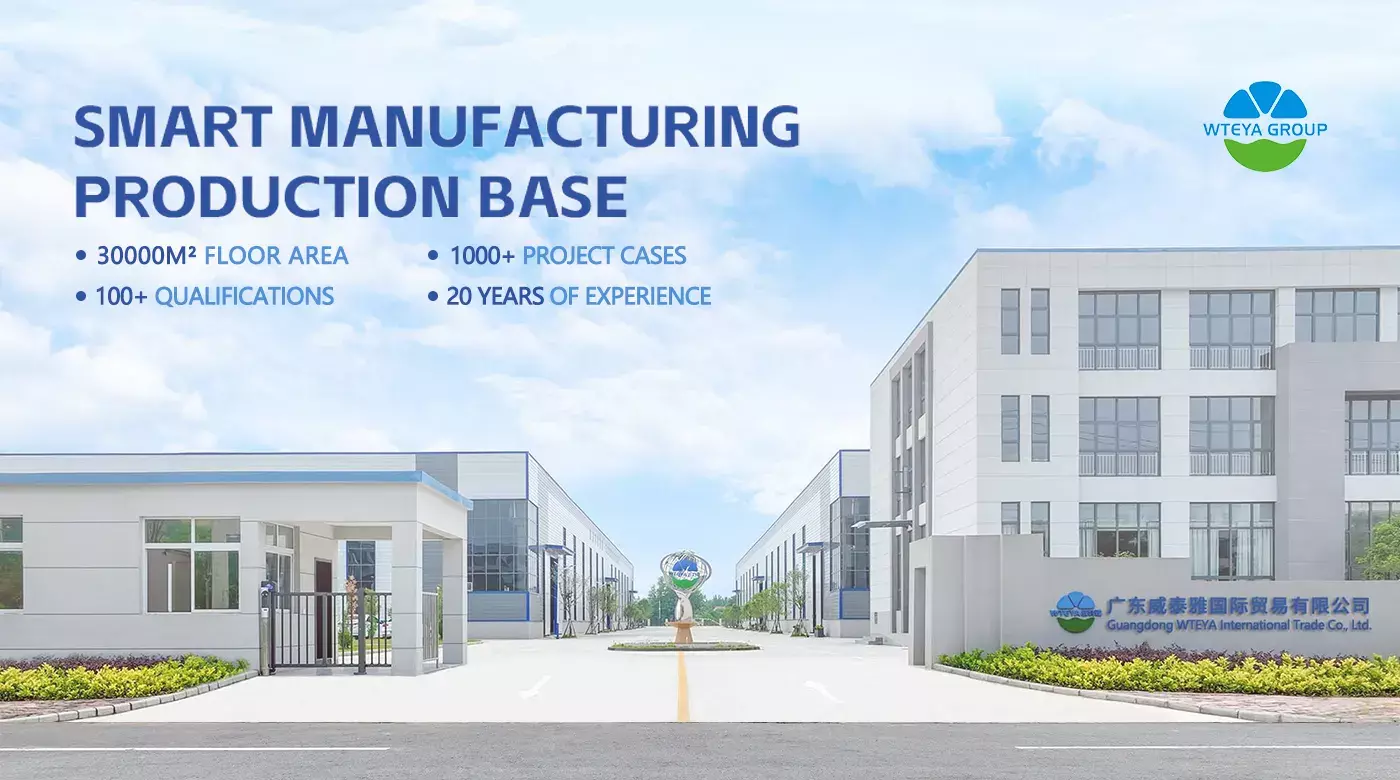
• Nearly 20 years of industry experience
• Trusted by global leaders including Foxconn, Huawei, Ganfeng Lithium, Ronbay Technology
• 100+ success cases worldwide
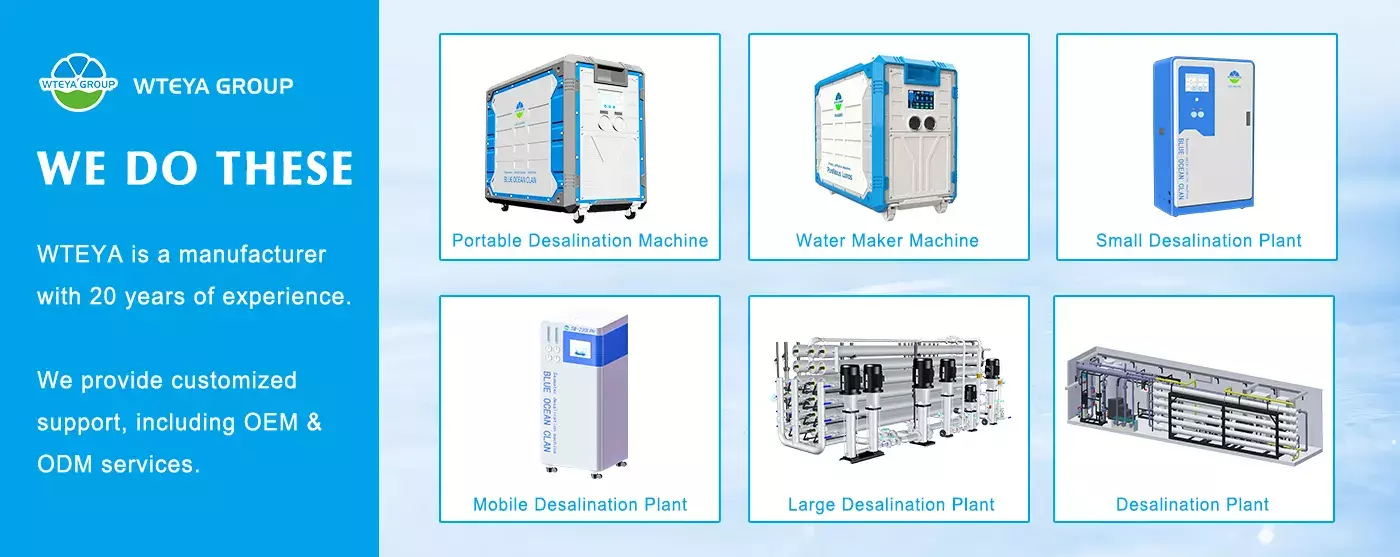
• OEM & ODM customization available
Become a WTEYA Distributor!
We are expanding global partnerships:
• Preferential policies
• Professional training
• Full technical support
Let us help you achieve exceptional water quality and operational sustainability!
📲 WhatsApp: +86-1800 2840 855
📧 Email: info@wteya.com
🌐 Website: www.wteya.com