






What Makes an MVR Evaporator the Better Choice for Industrial Wastewater Treatment?
In the field of industrial wastewater treatment, businesses are constantly searching for solutions that balance treatment efficiency, operating costs, and environmental compliance. As the volume of high-salinity wastewater, high-concentration industrial effluents, and complex wastewater streams continues to grow, conventional evaporation technologies are increasingly challenged by high energy consumption and rising operating expenses.
Particularly in Zero Liquid Discharge (ZLD) projects, traditional treatment methods alone often struggle to meet long-term operational and sustainability requirements. In recent years, MVR evaporators have become a preferred solution for industrial wastewater treatment due to their outstanding energy efficiency, reliable performance, and reduced operating costs.
So, what advantages do MVR evaporators offer over conventional evaporation systems, and why are they becoming the future of industrial wastewater treatment?
Challenges of Traditional Evaporation Technologies
Conventional evaporation systems rely on a continuous supply of external heat sources, such as steam or fuel-generated thermal energy, to evaporate water from wastewater. While this approach effectively concentrates wastewater, it often results in high operating costs during long-term industrial operation.
With rising energy prices and increasingly stringent environmental regulations, traditional evaporation technologies face several limitations:
| Comparison | Conventional Evaporator | MVR Evaporator |
|---|---|---|
| Heat Source | External steam or fuel required | Reuses secondary vapor as the heat source |
| Energy Consumption | High | Significantly lower |
| Operating Cost | Higher long-term operating expenses | More cost-effective over time |
| Environmental Performance | Higher carbon emissions | Supports greener production goals |
| Typical Applications | High-salinity and high-concentration wastewater | High-salinity and high-concentration wastewater |
For industrial wastewater treatment facilities operating continuously, energy consumption has a significant impact on the total cost of ownership. As a result, improving energy efficiency has become one of the key factors when selecting advanced evaporation technologies.
How Does an MVR Evaporator Improve Energy Efficiency?
The biggest advantage of an MVR (Mechanical Vapor Recompression) evaporator lies in its ability to recycle thermal energy instead of using it only once. During operation, the secondary vapor generated from wastewater evaporation is not discharged. Instead, it is compressed by a mechanical compressor, increasing its temperature and pressure before being reused as the heating source for the evaporation process.
This closed-loop energy recovery system dramatically reduces the need for external steam, allowing continuous evaporation with significantly lower energy consumption.
The difference can be summarized as follows:
Traditional Evaporation
Heat Energy → Vapor Generation → Heat Loss
MVR Evaporation
Vapor Generation → Mechanical Compression → Heat Recovery and Reuse
This efficient heat recovery mechanism is one of the primary reasons why MVR evaporators can substantially reduce operating costs.
To meet the demands of industrial wastewater treatment, WTEYA continuously optimizes its MVR evaporation systems to handle high-salinity wastewater, high-concentration wastewater, and complex industrial effluents, improving both energy efficiency and operational reliability.
Why Are MVR Evaporators Ideal for Zero Liquid Discharge (ZLD) Systems?
More industrial facilities are adopting Zero Liquid Discharge (ZLD) systems to minimize wastewater discharge while maximizing water reuse. The primary objective of a ZLD system is not only to eliminate liquid discharge but also to recover clean water and separate valuable salts and solid residues for further treatment or reuse.
Within a complete ZLD process, the MVR evaporator typically performs the final concentration stage.
A typical process flow includes:
Industrial Wastewater → Pretreatment → Membrane Concentration → MVR Evaporation → Crystallization → Water Reuse
Where:
• Pretreatment removes suspended solids and reduces contaminant loads.
• Membrane concentration reduces wastewater volume.
• MVR evaporation further concentrates the brine.
• Crystallization separates salts from the remaining liquid.
• Water reuse returns recovered water to the production process.
Compared with conventional evaporation methods, MVR evaporators provide more stable treatment of concentrated brine produced by membrane systems, helping industries reduce liquid waste discharge while achieving reliable ZLD performance.
What Challenges Can MVR Evaporators Solve in Industrial Wastewater Treatment?
The greatest challenge in industrial wastewater treatment is not simply evaporating water—it is maintaining stable and reliable long-term operation under complex wastewater conditions.
Industrial wastewater may contain:
• Extremely high salt concentrations that cause scaling
• Organic contaminants that reduce evaporation efficiency
• Corrosive chemicals that shorten equipment life
• Salt residues requiring resource recovery
Therefore, every MVR evaporation system should be designed according to the specific wastewater characteristics.
| Common Challenge | MVR Solution |
|---|---|
| Scaling caused by high salinity | Optimized evaporation design to reduce scaling |
| Difficult treatment of high-concentration wastewater | High-performance deep concentration capability |
| Equipment corrosion | Corrosion-resistant materials selected according to wastewater composition |
| High energy consumption | Mechanical vapor recompression significantly reduces energy use |
Based on each customer's industry, wastewater characteristics, and treatment objectives, WTEYA provides customized MVR evaporation solutions that ensure stable long-term operation and reliable system performance.
Why Do MVR Evaporators Support Sustainable Industrial Development?
Modern industrial wastewater treatment is evolving beyond simply meeting discharge standards. Today's focus is on resource recovery, energy efficiency, and sustainable production.
Compared with conventional evaporation technologies, MVR evaporators offer several environmental advantages:
• Reduced energy consumption through efficient heat recovery
• Higher water recovery rates, minimizing freshwater consumption
• Better integration with Zero Liquid Discharge (ZLD) systems
• Improved utilization of wastewater and salt resources
For industries such as chemical manufacturing, pharmaceuticals, new energy, electroplating, and semiconductor production, MVR technology is not only a wastewater treatment solution but also an effective way to improve sustainability, reduce operational costs, and support long-term environmental goals.
How Does WTEYA Help Businesses Achieve Efficient Wastewater Treatment?
As a professional supplier of industrial wastewater treatment equipment, WTEYA provides comprehensive solutions, including:
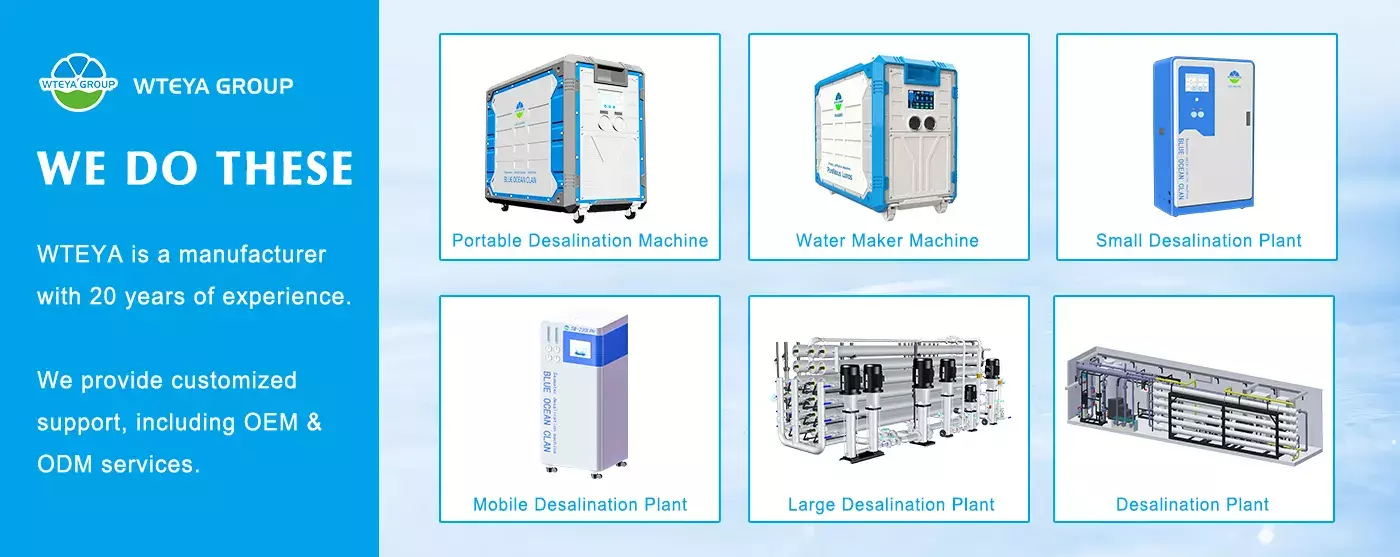
• MVR evaporator systems
• High-salinity wastewater treatment solutions
• Zero Liquid Discharge (ZLD) systems
• Industrial wastewater resource recovery solutions
By analyzing each project's wastewater characteristics and treatment objectives, WTEYA helps customers select the most appropriate treatment process, ensuring reliable operation while reducing long-term operating costs.
Conclusion:
MVR evaporators have become one of the most effective solutions for industrial wastewater treatment because they address the major limitations of conventional evaporation technologies, including high energy consumption, high operating costs, and the challenges associated with treating complex industrial wastewater.
With efficient heat recovery, stable long-term performance, and seamless integration into Zero Liquid Discharge (ZLD) systems, MVR evaporator technology enables manufacturers to improve water recovery, lower operating expenses, and reduce their environmental footprint. As industries continue to pursue sustainable manufacturing and stricter environmental compliance, investing in an MVR evaporator is becoming a strategic choice for companies seeking long-term efficiency, cost savings, and responsible wastewater management.
Why Partner with WTEYA?
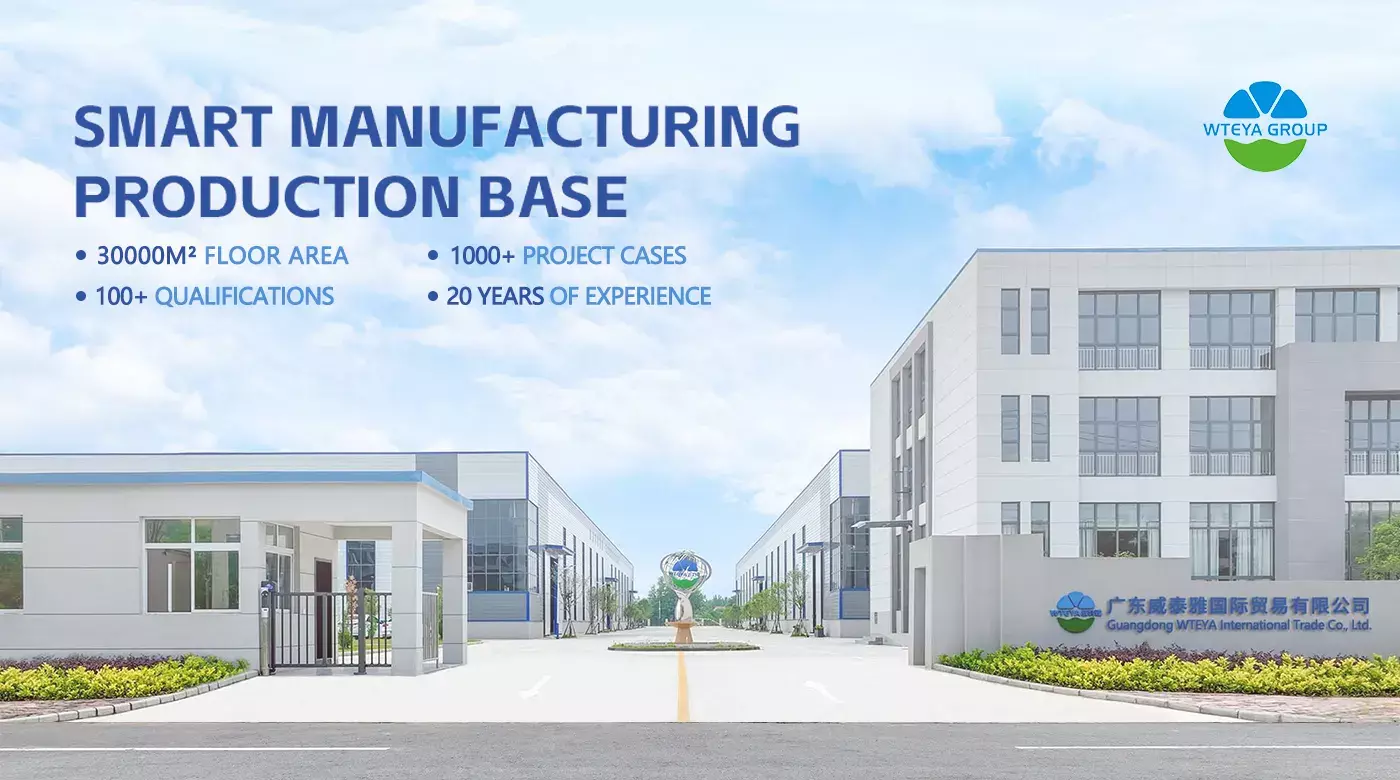
• Nearly 20 years of industry experience
• Trusted by global leaders including Foxconn, Huawei, Ganfeng Lithium, Ronbay Technology
• 100+ success cases worldwide
• OEM & ODM customization available
Become a WTEYA Distributor!
We are expanding global partnerships:
• Preferential policies
• Professional training
• Full technical support
Let us help you achieve exceptional water quality and operational sustainability!
📲 WhatsApp: +86-1800 2840 855
📧 Email: info@wteya.com
🌐 Website: www.wteya.com