






Why Are Heavy Metal Levels So High in PCB Wastewater Discharge?
During the manufacturing process of printed circuit boards (PCBs), wastewater often contains high concentrations of heavy metals. These metals are by-products of production processes and, while essential to PCB fabrication, become significant environmental and regulatory challenges once they enter the wastewater stream. Common heavy metals include copper, lead, nickel, and cadmium. Understanding the sources of these contaminants—and how to address them effectively—is critical for PCB manufacturers.
Sources of Heavy Metals in PCB Wastewater
Heavy metal contamination primarily originates from electroplating, etching, and surface treatment processes.
• Electroplating: A key step in PCB production where metals such as copper or nickel are deposited onto the board surface. During rinsing and cleaning, metal salts dissolve into the water, increasing heavy metal concentrations in the wastewater.
• Etching: This process can introduce hazardous metals such as cadmium and lead, often present in dissolved or suspended forms.
• Cleaning and Surface Treatment: Chemicals used in these stages may also release metallic components into wastewater. Without proper treatment, these metals accumulate and lead to elevated contamination levels.
Challenges in Treating PCB Wastewater
Traditional wastewater treatment methods—such as chemical precipitation and sedimentation—often struggle to effectively remove heavy metals from PCB wastewater.
PCB effluent is typically characterized by:
• High salinity
• Elevated chemical oxygen demand (COD)
• Complex and fluctuating composition
These factors significantly reduce the efficiency and stability of conventional treatment systems.
Additionally, wastewater quality can vary depending on production processes and chemical usage. This variability makes it difficult for traditional systems to adapt in real time, increasing the risk of non-compliant discharge. Regulatory penalties, operational shutdowns, and reputational damage may result from inadequate treatment performance.
WTEYA’s Advanced PCB Wastewater Management Solution
WTEYA offers an innovative solution specifically designed to address heavy metal contamination in PCB wastewater.
Advanced MVR Evaporation Technology
Our system utilizes Mechanical Vapor Recompression (MVR) technology to efficiently remove heavy metals while reducing energy consumption by more than 40%. Unlike conventional treatment methods, MVR concentrates and separates metals such as copper, nickel, and lead, ensuring treated water meets environmental discharge standards while lowering operational costs.
Intelligent PLC Automation
The system is equipped with a PLC intelligent control system for 24/7 automated operation, minimizing manual intervention. It continuously monitors key parameters including:
• Heavy metal concentration
• pH levels
• COD
When water quality fluctuates, the system automatically adjusts operational parameters to maintain stable treatment performance and reduce compliance risks.
Waste Reduction and Resource Recovery
Another key advantage of the WTEYA system is its advanced crystallization technology, which reduces sludge volume by more than 90%.
This delivers multiple benefits:
• Lower sludge disposal costs
• Reduced treatment cycles
• Decreased disposal frequency
• Improved environmental compliance
The system also produces distilled water that can be reused directly in production processes, significantly reducing freshwater consumption. In regions facing water scarcity or high water costs, this reuse capability generates substantial operational savings.
Key Advantages of the WTEYA PCB Wastewater Treatment System
• High-efficiency heavy metal removal (copper, nickel, lead, etc.)
• Real-time monitoring and intelligent PLC control
• Over 40% energy savings through MVR technology
• 50% space reduction with integrated modular design
• Resource recovery and wastewater reuse
• Flexible installation for both new plants and retrofit projects
Conclusion:
For PCB manufacturers, high concentrations of heavy metals in wastewater discharge present serious environmental and compliance challenges. Traditional treatment methods often fail to deliver consistent and effective removal.
WTEYA’s advanced wastewater treatment system provides a comprehensive solution with high removal efficiency, intelligent automation, energy savings, and resource recovery. It not only ensures regulatory compliance but also reduces operating costs and supports sustainable long-term development.
Why Partner with WTEYA?
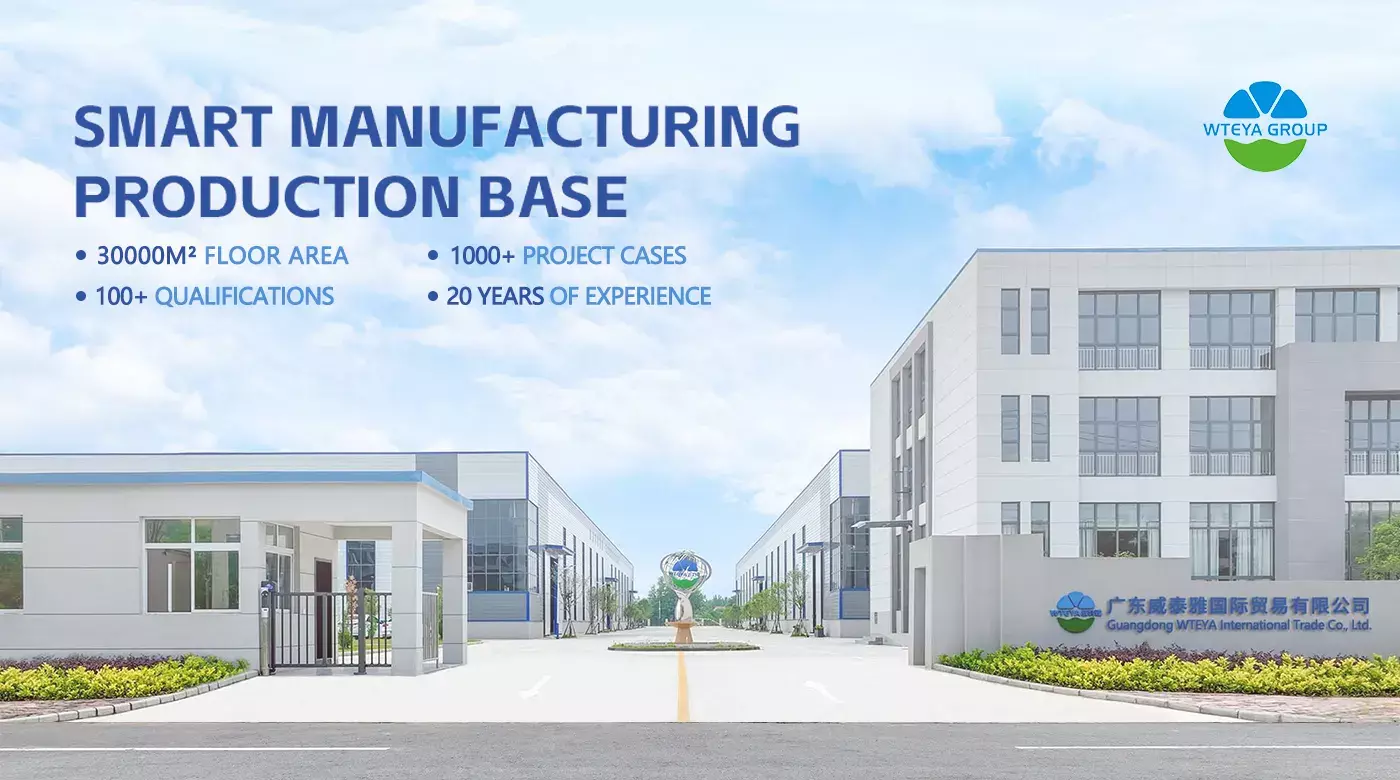
• Nearly 20 years of industry experience
• Trusted by global leaders including Foxconn, Huawei, Ganfeng Lithium, Ronbay Technology
• 100+ success cases worldwide
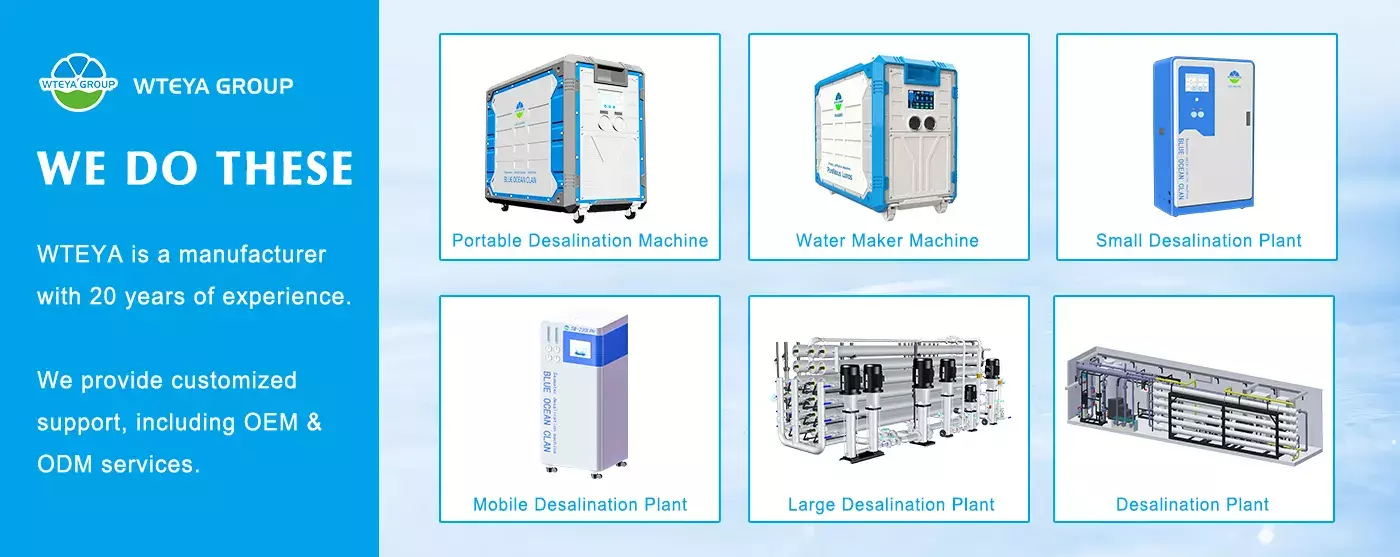
• OEM & ODM customization available
Become a WTEYA Distributor!
We are expanding global partnerships:
• Preferential policies
• Professional training
• Full technical support
Let us help you achieve exceptional water quality and operational sustainability!
📲 WhatsApp: +86-1800 2840 855
📧 Email: info@wteya.com
🌐 Website: www.wteya.com