






Why Does High-Concentration Cyanide in PCB Wastewater Require Special Treatment?
In the PCB (Printed Circuit Board) manufacturing industry, wastewater treatment is one of the most critical — yet often underestimated — parts of the entire production system. Among all wastewater categories, cyanide-containing wastewater is considered one of the most challenging due to its complex chemical characteristics and significant environmental risks.
From an engineering perspective, cyanide in PCB wastewater is not a “single pollutant.” Instead, it is a dynamic system composed of multiple chemical forms and reaction pathways. This complexity makes it impossible to remove reliably using conventional wastewater treatment processes or by simply mixing it into general wastewater systems.
Based on extensive project experience, WTEYA has concluded that:
The essence of cyanide wastewater treatment is not merely pollutant removal, but system stability control.
1. Sources and Formation Mechanisms of Cyanide in PCB Wastewater
In PCB manufacturing, cyanide mainly originates from electroplating and metal surface treatment processes. Cyanide compounds are widely used as complexing agents because they stabilize metal ions, improve plating uniformity, and enhance product quality.
In practical production environments, cyanide-containing wastewater mainly comes from:
• Electroplating rinse wastewater
• Process tank cleaning wastewater
• Equipment washing wastewater
• Process overflow wastewater
Before entering the treatment system, these wastewater streams often form complex metal-cyanide coordination structures.
Chemically, cyanide rarely exists independently in wastewater. Instead, it forms stable or semi-stable complexes with metal ions such as copper, zinc, and iron.
2. Three Main Forms of Cyanide in PCB Wastewater
In engineering analysis, cyanide is generally classified into three forms. This classification is critical for evaluating treatment difficulty.
2.1 Free Cyanide
Free cyanide is the most basic and highly toxic form.
Its characteristics include:
• Exists as CN⁻ or HCN
• Extremely high biological toxicity
• Rapid reaction activity
• Easy volatilization and migration
Although it may not represent the largest proportion in wastewater, it poses the greatest safety risk to treatment systems.
2.2 Weak Acid Dissociable Cyanide (WAD Cyanide)
WAD cyanide is one of the most common forms found in PCB wastewater. It usually combines with metals such as copper and zinc.
Key characteristics include:
• Unstable coordination structures
• Highly sensitive to pH fluctuations
• May release free cyanide under acidic or oxidative conditions
• Major source of system instability
In many wastewater treatment projects, operational fluctuations are closely related to this cyanide form.
2.3 Strong Acid Dissociable Cyanide (SAD Cyanide)
SAD cyanide generally forms highly stable complexes with metals such as iron and cobalt.
Its characteristics include:
• Extremely stable chemical structure
• Difficult to decompose under conventional oxidation conditions
• Requires stronger reaction conditions or staged treatment
• Can remain in the system as a long-term hidden risk
This type of cyanide is often difficult to identify completely through routine monitoring.
2.4 Dynamic Changes Caused by Multi-Form Coexistence
In real PCB wastewater systems, these three cyanide forms usually coexist simultaneously. They continuously transform under the influence of:
• pH changes
• Oxidation-reduction conditions
• Mixed wastewater quality
• Hydraulic retention time
As a result, cyanide behaves as a dynamic reaction system rather than a fixed pollutant.
3. Why Must PCB Cyanide Wastewater Be Specially Treated?
3.1 Highly Sensitive Chemical System
Cyanide compounds are extremely sensitive to environmental conditions, especially:
• pH fluctuations
• Oxidation condition changes
• Temperature variations
• Ionic strength changes
Any change in these conditions may redistribute cyanide complexes and destabilize the entire wastewater system.
3.2 Mixed Wastewater Systems Amplify Risks
PCB wastewater usually consists of multiple wastewater streams, including:
• Copper electroplating wastewater
• Acid and alkali adjustment wastewater
• Organic COD wastewater
• Heavy metal wastewater
When cyanide-containing wastewater enters mixed systems, it can trigger:
• Re-complexation of metals
• Changes in precipitation conditions
• Oxidation-reduction imbalance
• Disruption of existing treatment pathways
These coupled reactions significantly increase system uncertainty.
3.3 Hidden Inhibition Effects on Biological Treatment Systems
Cyanide has delayed and cumulative inhibitory effects on biological treatment systems.
Early Stage:
System appears stable
Effluent quality remains acceptable
Mid Stage:
Microbial activity declines
COD removal efficiency decreases
Late Stage:
Sludge structure deteriorates
System recovery becomes difficult
This gradual destruction is often overlooked in actual operations.
3.4 Destruction of Overall System Stability
From an engineering perspective, the greatest risk of cyanide wastewater is not localized contamination, but disruption of the entire treatment system’s operating boundaries.
Typical manifestations include:
• Frequent chemical dosage adjustments
• Unstable operating parameters
• Periodic effluent fluctuations
• Extended commissioning periods
4. WTEYA’s Engineering Approach: From “Pollutant Removal” to “System Control”
In PCB wastewater treatment projects, WTEYA focuses not only on cyanide removal but on layered system control.
4.1 First Layer: Source Separation Control
Strict separation is implemented before wastewater enters the main treatment system:
• Independent collection of cyanide wastewater
• Dedicated equalization tanks
• Isolation from comprehensive wastewater systems
The purpose is to establish a safety boundary and prevent risk propagation.
4.2 Second Layer: Stable Reaction Environment Control
The treatment focus is not simply increasing reaction speed, but maintaining stable reaction conditions:
• Stable pH range control
• Oxidation-reduction potential control
• Hydraulic retention time management
• Prevention of shock loading
The core objective is to keep the system continuously controllable.
4.3 Third Layer: Staged Conversion Treatment
Under stable operating conditions, staged treatment is applied:
• Destruction of coordination structures
• Controlled release of free cyanide
• Oxidative decomposition
• Deep residual removal
This strategy emphasizes process continuity and long-term stability rather than single-point removal efficiency.
5. Why Do Many Projects Experience Unstable Performance?
In real engineering applications, treatment failures are often caused not by equipment or chemicals, but by flawed design logic:
- Integrating cyanide wastewater into mixed systems
- Ignoring complex coordination chemistry
- Lack of source separation design
- Overreliance on single oxidation processes
- Absence of process control logic
As a result, systems frequently fall into a repeating cycle of:
“Compliance → fluctuation → adjustment → re-fluctuation.”
6. Conclusion
The reason high-concentration cyanide in PCB wastewater requires special treatment is not simply because it is “difficult to remove.” The real challenge lies in its three critical engineering characteristics:
• Dynamic coexistence of multiple cyanide forms
• High sensitivity to environmental conditions
• Strong coupling interference with treatment systems
Therefore, treatment strategies must evolve from traditional “pollutant removal” approaches to:
• System-level risk isolation
• Stable process control
• Staged conversion management
Through source separation, reaction window management, and staged treatment strategies, WTEYA achieves long-term stable, safe, and efficient operation of PCB cyanide wastewater treatment systems.
Why Partner with WTEYA?
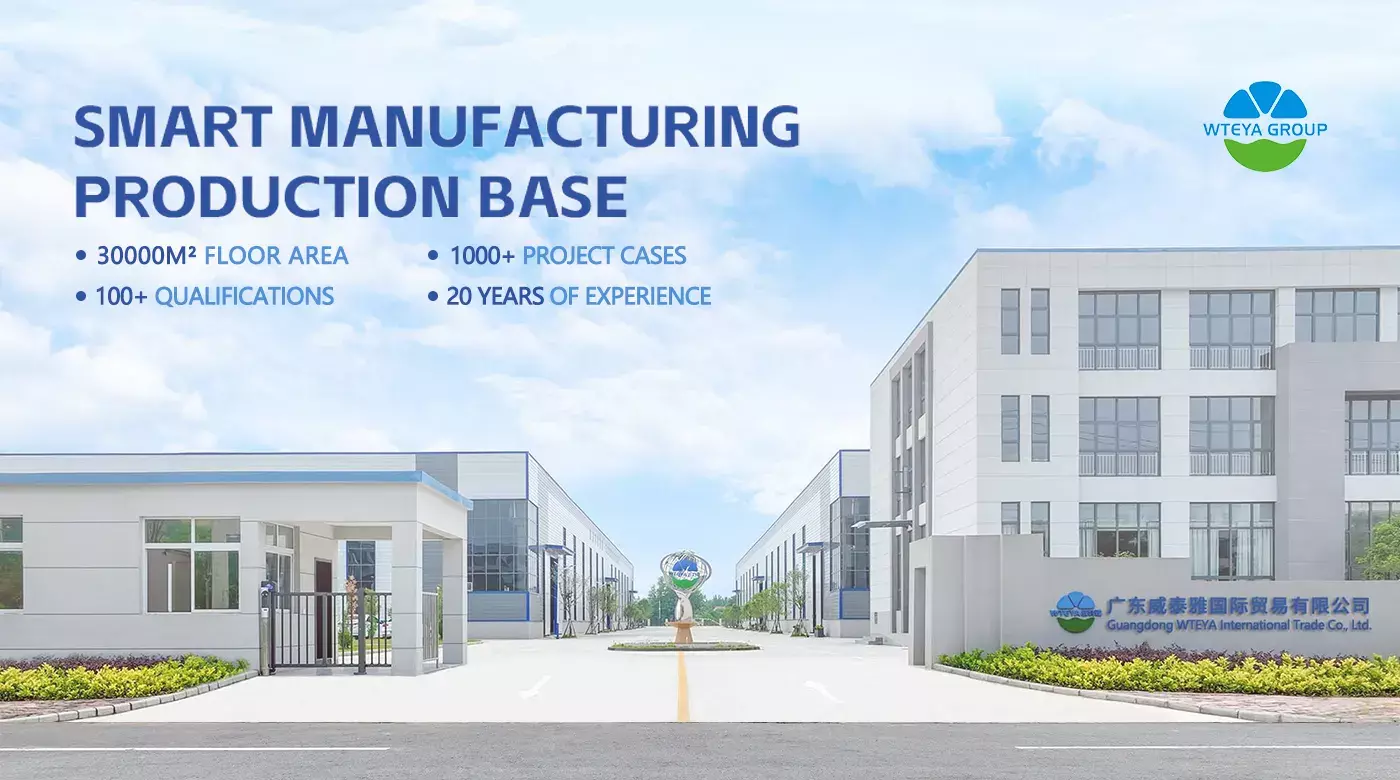
• Nearly 20 years of industry experience
• Trusted by global leaders including Foxconn, Huawei, Ganfeng Lithium, Ronbay Technology
• 100+ success cases worldwide
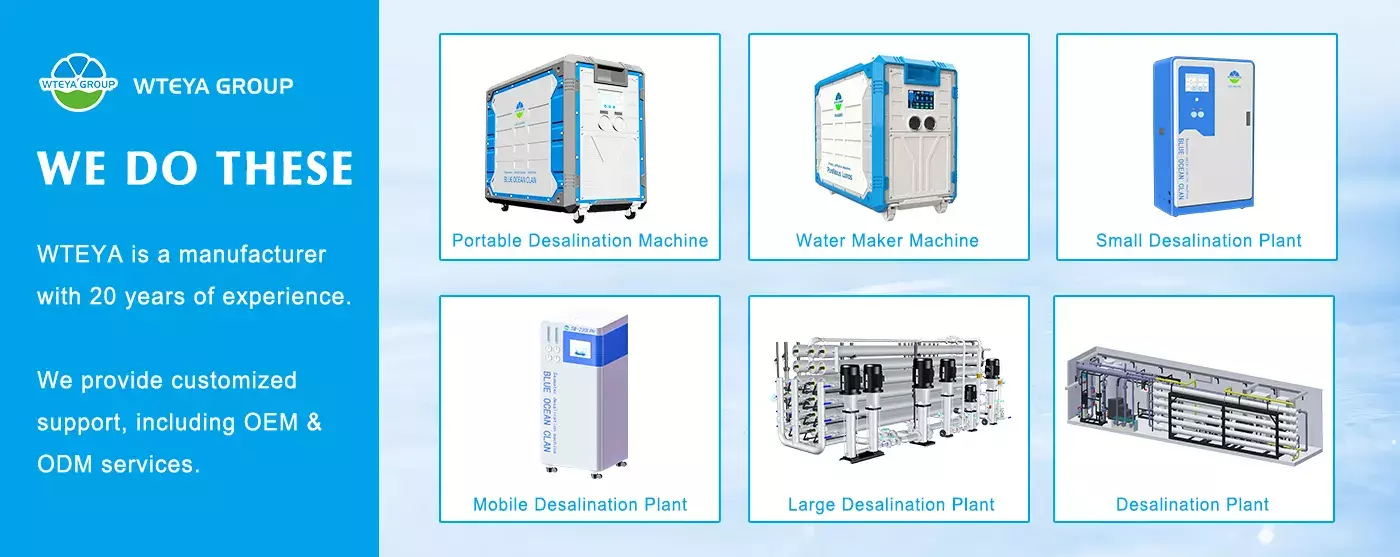
• OEM & ODM customization available
Become a WTEYA Distributor!
We are expanding global partnerships:
• Preferential policies
• Professional training
• Full technical support
Let us help you achieve exceptional water quality and operational sustainability!
📲 WhatsApp: +86-1800 2840 855
📧 Email: info@wteya.com
🌐 Website: www.wteya.com