






Advanced Oxidation Treatment Plants: A Key Technology for Sustainable Wastewater Management
With the rapid development of industry and increasingly stringent environmental regulations, wastewater containing organic pollutants and heavy metal ions has become a major challenge for both industrial and municipal sectors. Traditional treatment methods often struggle to effectively remove these contaminants, especially when they are refractory, highly toxic, or present at low concentrations.
Advanced Oxidation Treatment (AOT) technology has emerged as a cutting-edge solution to address these challenges. By offering high efficiency, compact system design, and environmentally responsible operation, AOT systems play a critical role in achieving sustainable wastewater treatment goals.
As a professional supplier of advanced oxidation equipment, WTEYA provides integrated solutions that combine UV photocatalytic technology, automated control systems, and modular designs. These solutions enable efficient operation, reduced maintenance requirements, and scalable configurations for diverse application scenarios, supporting long-term sustainable wastewater management.
1. Understanding Advanced Oxidation Technology
Advanced oxidation treatment plants operate by generating highly reactive oxygen species, primarily hydroxyl radicals (·OH), which oxidize and degrade complex organic compounds and certain heavy metal ions in wastewater. This process relies on UV photocatalytic technology, where ultraviolet light activates photocatalysts to produce highly reactive radicals.
These radicals effectively break down pollutants that are difficult to remove using conventional biological or chemical treatment processes.
Key principles of advanced oxidation technology include:
-
Oxidative Degradation: Hydroxyl radicals react with organic pollutants, converting them into carbon dioxide, water, and low-toxicity intermediate byproducts.
-
Heavy Metal Treatment: Certain heavy metal ions can be oxidized into insoluble or less toxic forms, facilitating subsequent removal.
-
Minimal Secondary Pollution: Unlike some chemical treatment methods, advanced oxidation produces little to no secondary pollution, ensuring environmentally safe effluent quality.
This technology is highly effective for treating refractory organic pollutants, dyes, pharmaceutical residues, pesticides, and industrial solvents, making it widely applicable in both industrial and municipal wastewater treatment.
2. Advantages of Advanced Oxidation Treatment Plants
Compared with conventional wastewater treatment methods, advanced oxidation treatment plants offer significant advantages, particularly for industrial wastewater applications.
2.1 High Treatment Efficiency
-
Effectively degrades complex organic pollutants that conventional biological treatment cannot fully remove.
-
Reduces pollutant concentrations to meet strict environmental discharge standards.
-
Improves overall effluent quality, enabling water reuse for industrial processes or irrigation.
2.2 Compact and Modular Design
-
WTEYA systems support both mobile and stationary configurations, allowing installation in space-limited or temporary treatment sites.
-
Modular designs enable flexible capacity expansion and rapid adaptation to changes in wastewater volume or quality.
2.3 Automation and Low Maintenance
-
Advanced oxidation treatment plants are equipped with automated control systems that continuously regulate flow rates, UV intensity, and reagent dosing.
-
Real-time monitoring minimizes manual intervention and reduces operational risks.
-
Optimized system design reduces downtime and ensures stable, high-performance operation under varying water conditions.
2.4 Environmentally Sustainable Operation
-
Lower energy consumption compared to other high-efficiency oxidation methods.
-
Reduced chemical usage, minimizing secondary pollution.
-
High pollutant removal efficiency supports sustainable water resource management.
3. Advantages of WTEYA Advanced Oxidation Systems
WTEYA delivers professional, integrated solutions with a strong focus on technological integration, operational efficiency, and customization:
-
Integrated Equipment Design: UV photocatalytic reactors, flow management, and dosing units are combined into a compact, efficient system.
-
Automated Operation: PLC control systems continuously monitor water quality and adjust operating parameters in real time.
-
Scalability and Flexibility: Mobile and modular configurations enable rapid deployment, capacity expansion, and adaptation to changing water conditions.
-
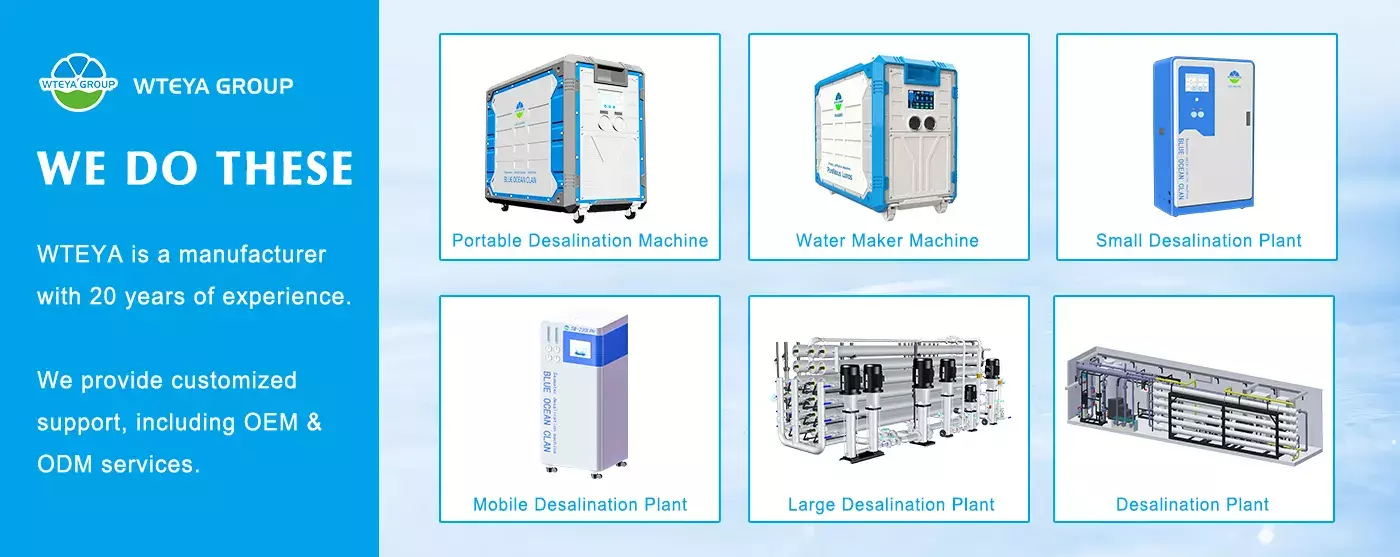
One-Stop Service: Standardized products are complemented by OEM and ODM customization to meet diverse global requirements.
-
Global Partnerships: WTEYA actively seeks international partners and agents, providing localized services and technical support.
Through these advantages, WTEYA advanced oxidation systems maximize treatment efficiency, reduce operating costs, and support long-term sustainable development.
4. Contribution to Sustainable Wastewater Management
Advanced oxidation technology plays a vital role in sustainable wastewater management:
-
Water Reuse: High-quality treated water can be reused for industrial production, irrigation, or cooling systems, reducing freshwater consumption.
-
Pollution Control: Efficient removal of persistent organic pollutants and heavy metals protects ecosystems and public health.
-
Energy and Resource Efficiency: Optimized control systems reduce energy consumption and chemical usage.
-
Regulatory Compliance: Helps industrial and municipal facilities meet increasingly stringent discharge standards and environmental regulations.
Advanced oxidation treatment plants are not merely wastewater treatment systems; they are strategic tools for organizations seeking to enhance sustainability, reduce environmental impact, and improve operational efficiency.
5. Future Development Trends
Future developments in advanced oxidation technology may include:
-
Intelligent Systems and IoT Integration: Real-time data analysis for predictive maintenance and process optimization.
-
Hybrid Treatment Processes: Integration with biological or membrane treatment technologies to achieve higher overall efficiency.
-
Improved Energy Efficiency: Utilization of solar-powered UV systems or energy recovery technologies to reduce operating costs.
-
Modular and Mobile Designs: Facilitating rapid deployment and emergency wastewater treatment.
WTEYA continues to innovate in these areas, ensuring its advanced oxidation systems remain at the forefront of sustainable wastewater management solutions.
Why Partner with WTEYA?
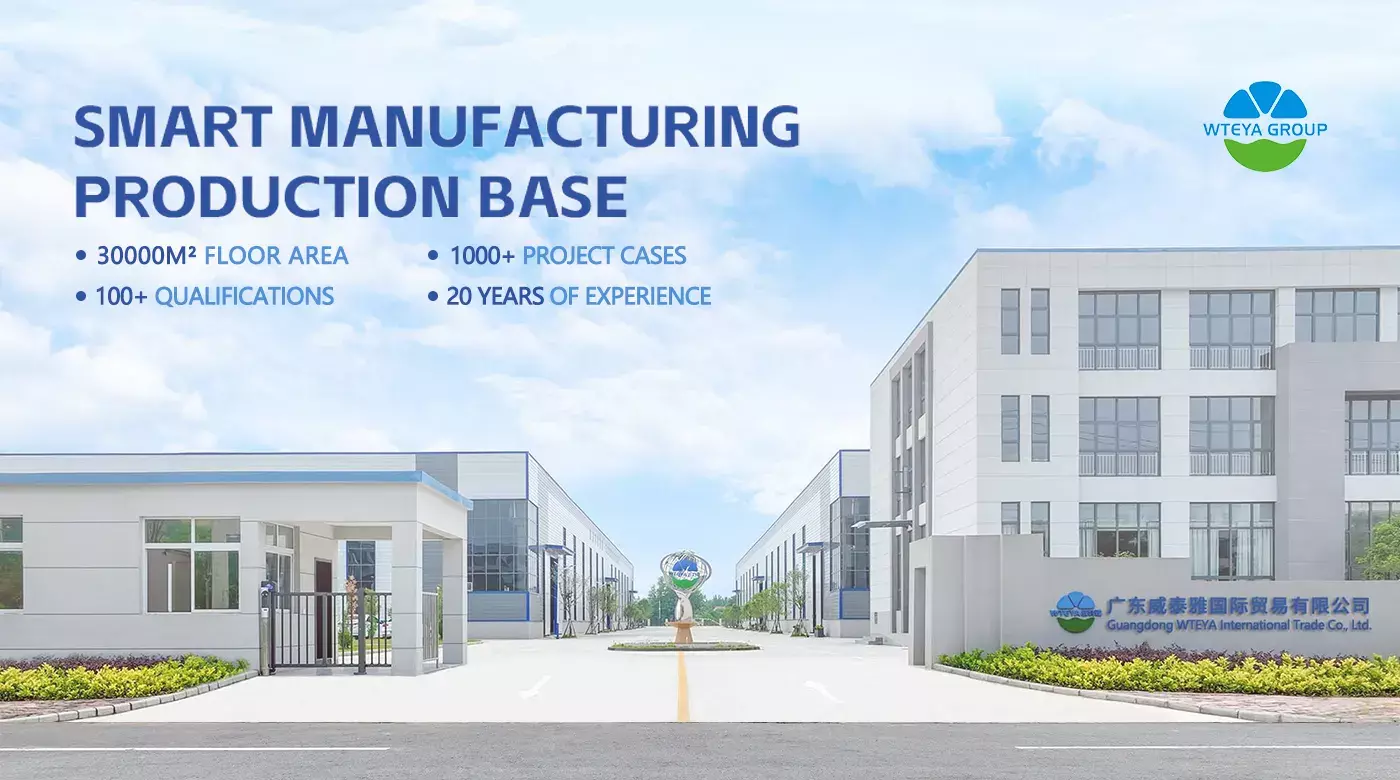
• Nearly 20 years of industry experience
• Trusted by global leaders including Foxconn, Huawei, Ganfeng Lithium, Ronbay Technology
• 100+ success cases worldwide
• OEM & ODM customization available
Become a WTEYA Distributor!
We are expanding global partnerships:
• Preferential policies
• Professional training
• Full technical support
Let us help you achieve exceptional water quality and operational sustainability!
📲 WhatsApp: +86-1800 2840 855
📧 Email: info@wteya.com
🌐 Website: www.wteya.com