







Desalination for Island Resorts: Reliable Fresh Water Supply
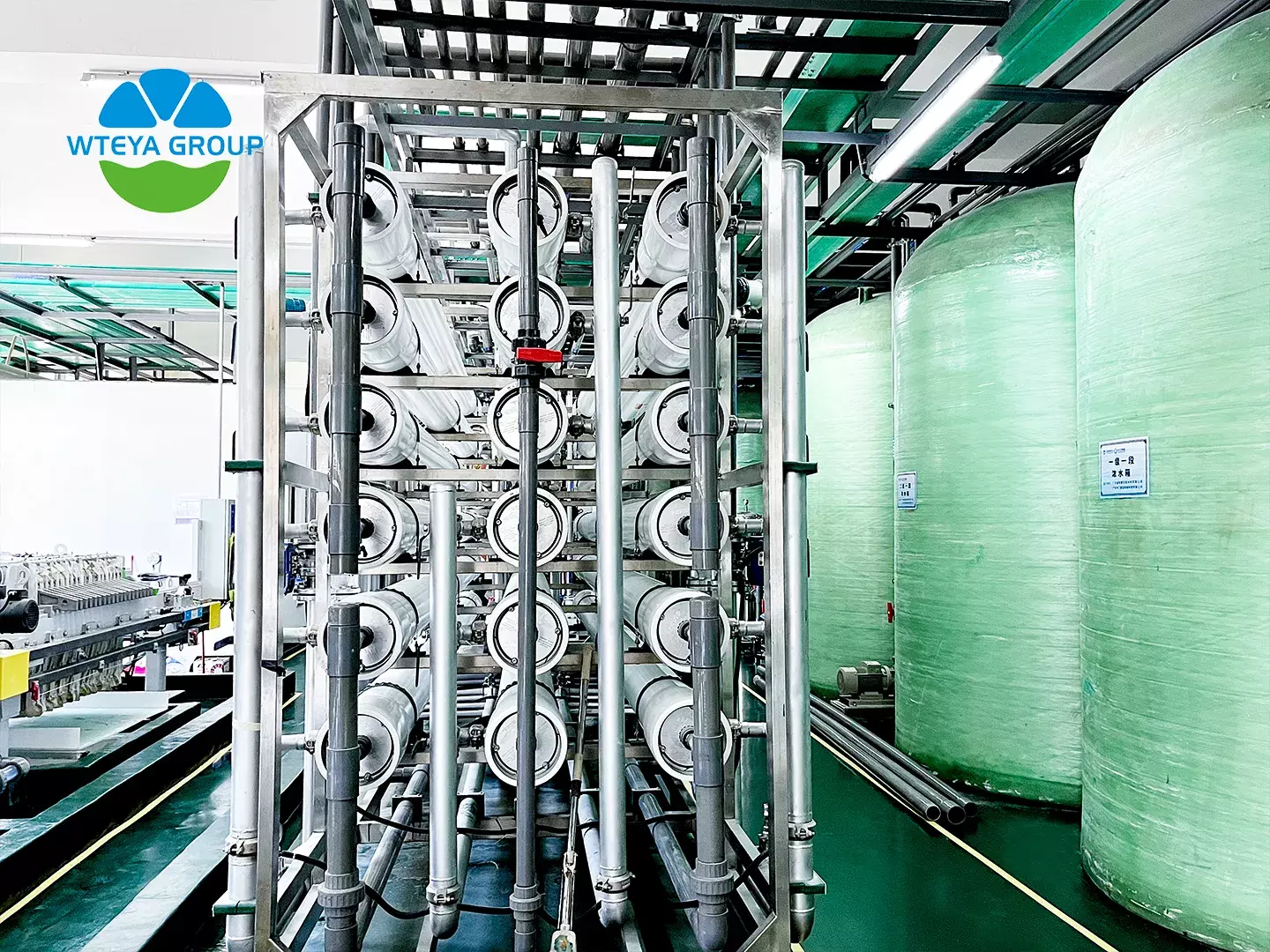
An island resort has the sea on every side but usually no reliable water beneath it. There is rarely a municipal main to connect to, aquifers on small islands are thin and easily damaged by salt intrusion, and guest demand climbs exactly when the dry season bites hardest. When freshwater has to arrive by tanker or in bottles, both the cost and the supply risk land squarely on the operator.
Desalination changes that equation. A plant built on the resort's own shoreline turns the surrounding sea into a controlled utility: fresh water produced on site, in the volume the property actually needs, independent of rainfall, deliveries or neighbouring demand. For an island property, it converts an unpredictable cost into an engineered asset.
🏝️ Why Island Resorts Cannot Rely on Delivered Water
Bottled and tankered water looks simple until it is measured over a full season. The unit cost is high and it rises with distance and with demand peaks; storage capacity sets a hard ceiling on how many guests can be served; and a storm, a cancelled ferry or a road closure can interrupt supply with no warning. Every one of those risks disappears once the water is made on site.
There is also a sustainability dimension. Guests increasingly notice single-use plastic and tanker traffic, and operators are asked to show that a property is genuinely self-sufficient. Producing water from the ocean, under the resort's own control, is the most direct answer.
🌊 From Seawater to Guest-Ready Water
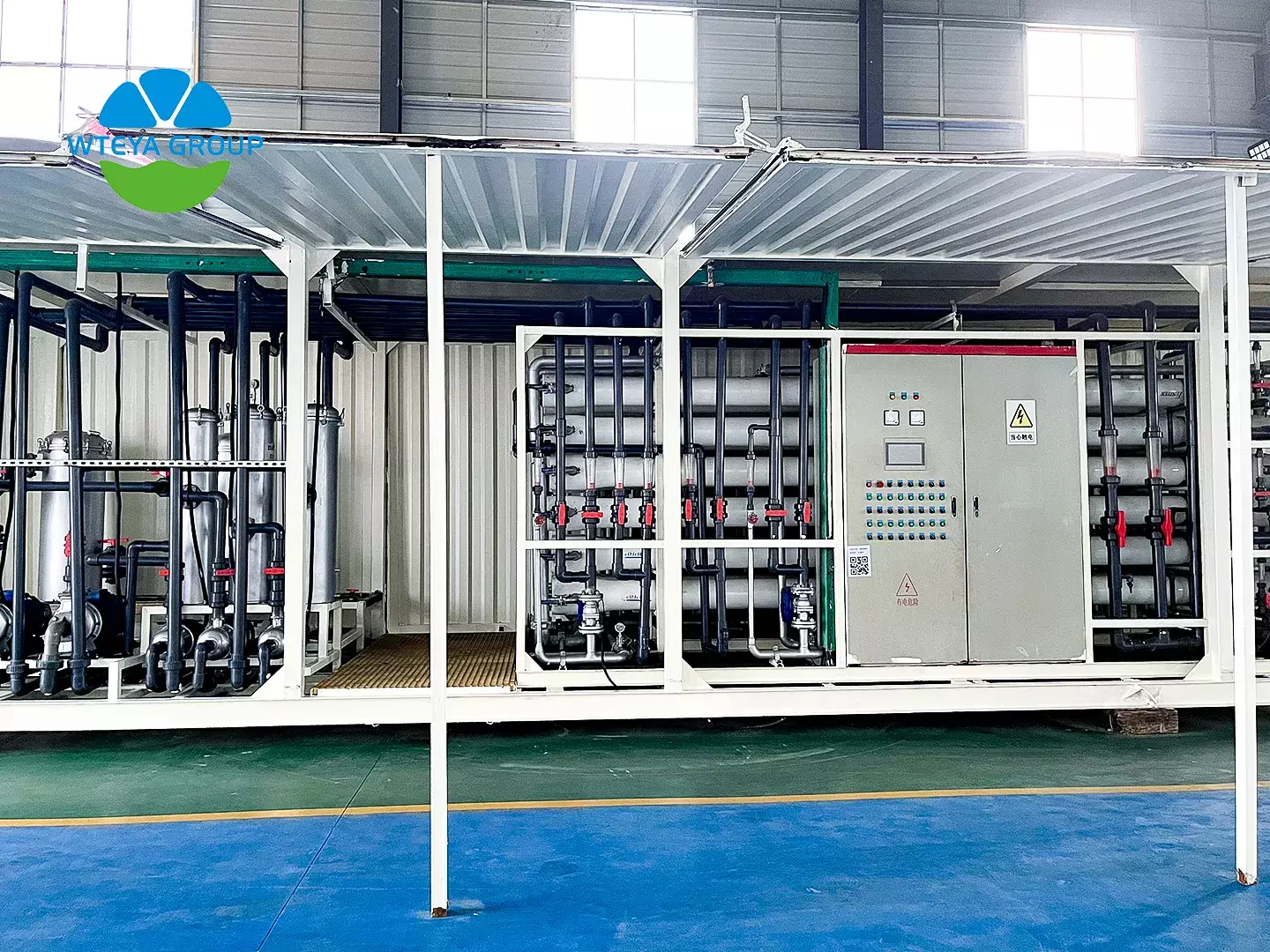
Step 1 — Intake and pretreatment. Seawater is drawn in and passed through pre-filtration that removes sand, suspended solids and biological load, with antiscalant and dechlorination dosing added ahead of the membranes so that the train stays clean and stable.
Step 2 — High-pressure reverse osmosis. A high-pressure pump raises the pretreated feed to membrane pressure inside a seawater desalination plant, where dissolved salts are rejected at 99.5% and product water leaves below 200 ppm TDS — well inside WHO drinking-water guidelines.
Step 3 — Post-treatment and remineralisation. Because RO permeate is almost pure, it is remineralised to restore a natural taste and protect pipework. General resort duties — guest rooms, kitchens, pools and irrigation — can take this water directly, while a polishing branch can be added if the property has laundry or boiler duties that need even lower conductivity.
⚡ Energy, Recovery and the Cost of a Cubic Meter
Pumping seawater up to membrane pressure is where almost all of the electricity goes, and the brine leaving the membrane train still carries most of that pressure. An energy recovery device transfers it back to the incoming feed, so the high-pressure pump only makes up friction and membrane losses.
With recovery fitted, a resort plant settles at 3 to 4 kWh/m³ of fresh water. Without it the same train runs at 5 to 7 kWh/m³ — roughly 30% more power for the same output, which is why the recovery device is specified as standard rather than as an option.
Running cost lands near USD 0.55 to 1.10 per m³, with electricity the largest single item, and payback is typically 3 to 5 years against tankered or bottled water — faster where freshwater is bought at a genuine premium.
🏨 Sizing a Plant Around Guest Demand
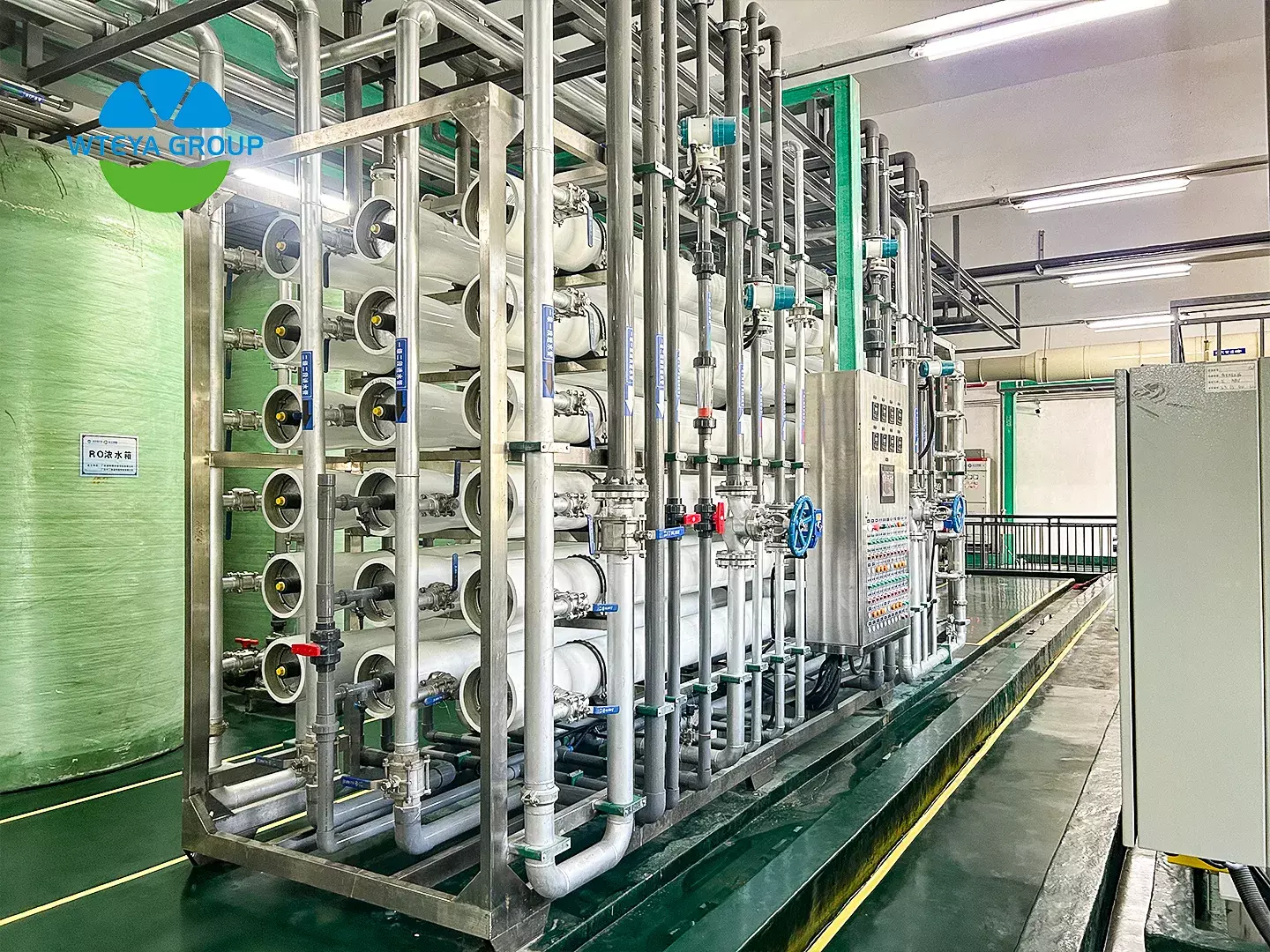
WTEYA builds these plants in two standard capacities: 5 t/h (about 120 m³/day) and 10 t/h (about 240 m³/day), both computed on 24-hour continuous operation. Sizing starts from the property, not the machine: rooms multiplied by occupancy and a realistic litres-per-guest figure, plus pools, irrigation and staff facilities, with 10% to 20% headroom for peak weeks.
Sites that already have a brackish well — which is a far easier feed than the open sea — can be served just as well. Brackish water at 1,000 to 25,000 mg/L TDS demands lower pressure and higher recovery (50% to 75%, and only 1 to 2 kWh/m³) than seawater at 35,000 to 45,000 mg/L, so the same plant family covers both cases once the membrane selection and operating parameters are matched to the source.
🏆 Why Choose WTEYA
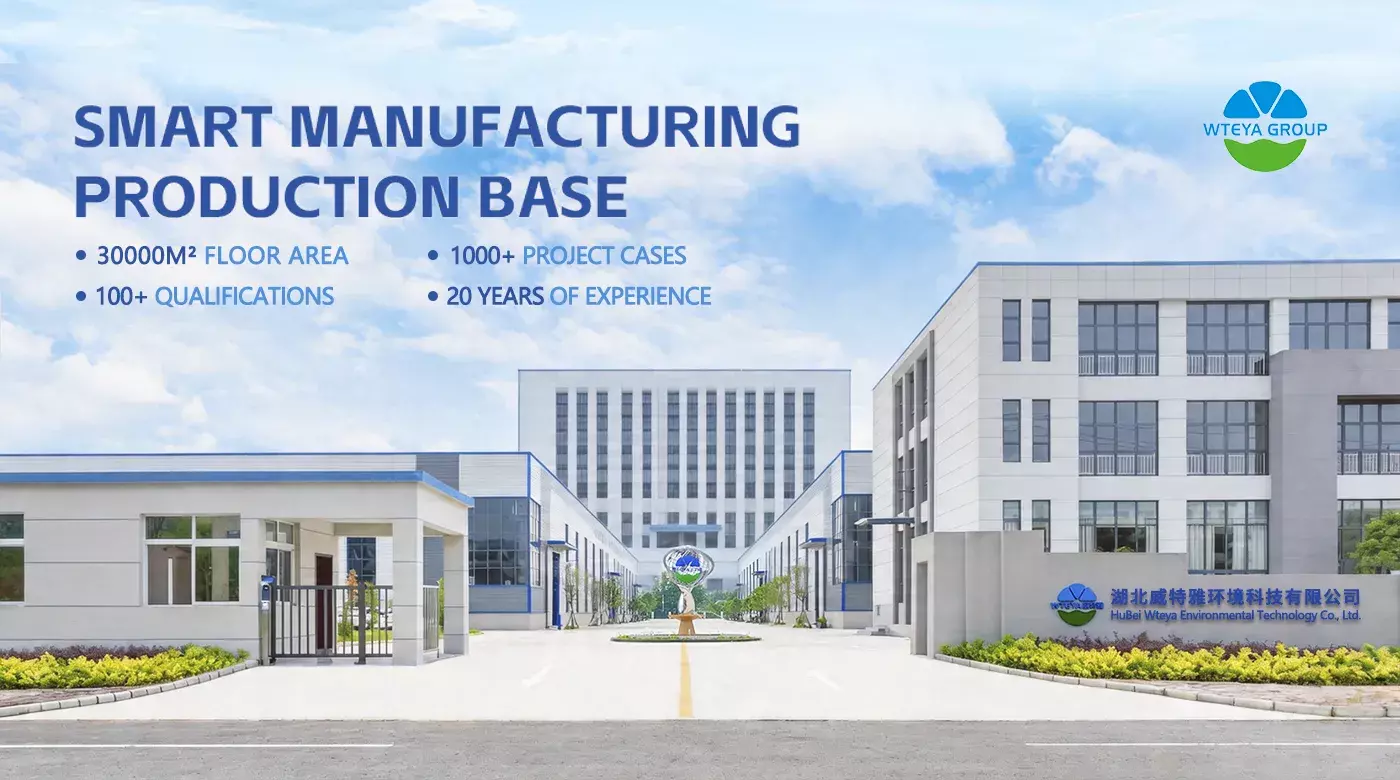
WTEYA has close to 20 years of experience in water treatment and has delivered systems for more than 2,000 clients across 30-plus provinces. For island and coastal projects we size the pretreatment for the actual sea — high turbidity, high sand content, high salinity or a salt-laden atmosphere — because that choice, not the membrane alone, decides long-run reliability.
Plants are offered in integrated, containerised or skid-mounted form, so a resort with a tight plant room and a hard-to-reach jetty can still take delivery. Standard units ship from stock in as little as 2 to 4 weeks, while the normal build-to-order cycle is 1 to 3 months from contract to first water. Scope covers the whole route from water treatment systems through design, manufacture, installation, commissioning, operator training and membrane replacement (membrane life 2 to 5 years), all inside one accountable contract.
❓ Frequently Asked Questions
Can one desalination plant supply an entire island resort?
Yes. A 10 t/h plant delivers about 240 m³/day, enough for a large property's rooms, kitchens, pools and irrigation. Peak holiday weeks are covered by product-water storage plus a modular second train rather than by oversizing a single unit that then runs at partial load all year.
How much does a resort desalination plant cost?
A 5 t/h plant (about 120 m³/day) typically falls in the range of USD 55,000 to 110,000 installed, and a 10 t/h plant about USD 96,000 to 180,000, before civil works. Running cost lands near USD 0.55 to 1.10 per m³, and payback against delivered water is usually 3 to 5 years.
What happens to the brine that is left over?
Recovery of 40% to 50% from seawater means the reject stream is roughly one to one-and-a-half times the product volume, at higher salinity. It is managed by diluted diffuser discharge, co-discharge with cooling or outfall flows, or evaporation where the site allows — selected case by case so the plant meets local discharge conditions.
Become a WTEYA authorized dealer for island and coastal desalination equipment. Exclusive territories, competitive pricing, and full factory support.
📲 WhatsApp: +86-1800 2840 855
📧 Email: info@wteya.com
🌐 Website: www.wteya.com
Previous: MVR Evaporator for Textile Dyeing Wastewater Recovery
Next: No More