






Sustainable Industrial Wastewater Management: How MBR Integration Helps Enterprises Achieve ESG Goals
With the accelerating pace of global industrialization, companies are facing increasingly severe challenges in water resource management. Industrial wastewater not only has a large volume but also contains complex and diverse components. Improper treatment of this wastewater directly affects a company's environmental, social, and governance (ESG) performance while increasing operational costs and regulatory risks. Traditional activated sludge or secondary sedimentation systems have significant limitations in treatment efficiency, space occupation, and energy consumption, making them unable to meet the high-quality water standards required by modern industries and cities. Against this backdrop, Membrane Bioreactor (MBR) wastewater treatment systems have become a core technology solution for industrial water treatment. By integrating membrane separation and biological treatment functions, MBR systems offer an efficient, energy-saving, and sustainable water management approach.
The core advantage of the MBR system lies in its integration of biological treatment and membrane separation, enabling efficient retention of suspended solids and microorganisms, thus producing high-quality water. Compared to traditional systems, MBR equipment takes up less space, operates more flexibly, generates less sludge, and is highly suitable for industrial environments where water quality requirements are stringent. This technology not only improves wastewater treatment efficiency but also supports enterprises in achieving water resource recycling, reducing energy consumption, and lowering carbon emissions, thus providing solid support for ESG goals.
MBR Technology Principle and System Advantages
The MBR wastewater treatment system consists of two core components: the membrane module and the bioreactor. The membrane module uses a microporous membrane structure to efficiently retain suspended solids and microorganisms, while the bioreactor uses microorganisms to degrade organic pollutants in the water. The membrane module replaces the traditional secondary sedimentation tank, significantly reducing the land area required while ensuring stable effluent quality.
During operation, wastewater first undergoes pre-treatment to remove large particles and impurities, then enters the bioreactor for organic degradation. The water then passes through the membrane module for precise filtration, removing suspended particles and microorganisms, and finally producing high-quality water. This method not only enhances the efficiency of wastewater treatment but also significantly reduces the amount of residual sludge, thus lowering sludge disposal costs.
Key advantages of the MBR system include:
High Treatment Efficiency: The effluent’s COD, BOD, and SS indicators consistently meet standards, making it suitable for high-quality water demands in industries like pharmaceuticals, food and beverage, and electronics manufacturing.
• Low Land Occupation: The membrane module replaces the secondary sedimentation tank design, making it particularly suitable for factories with limited space or urban water treatment scenarios.
• Flexible Operation and Strong Adaptability: The system can flexibly adjust operational parameters based on wastewater volume, water quality, and production load, ensuring stable treatment performance.
• Low Sludge Generation: Compared to traditional systems, the amount of residual sludge is significantly reduced, easing the burden of secondary treatment.
Industrial Pain Points and MBR Solutions
In the process of industrial wastewater treatment, different industries face unique challenges:
1. Pharmaceutical Industry
Pharmaceutical wastewater contains high concentrations of organic matter, microorganisms, and pharmaceutical residues. Traditional activated sludge systems struggle to remove these pollutants stably, and effluent quality fluctuates. The MBR system, through membrane separation technology, effectively retains microorganisms and suspended solids, ensuring stable effluent quality. It also supports wastewater reuse, such as circulating non-core processes, effectively reducing fresh water consumption and emission risks.
2. Food and Beverage Industry
Wastewater from food production is highly variable, with high sugar content that can easily cause blockages in traditional systems and secondary sedimentation tanks. The MBR system, combining biological degradation and membrane filtration, can achieve continuous and efficient treatment, maintaining stable effluent quality. The treated water can be directly used for cooling or cleaning processes, enhancing water resource recycling rates.
3. Electronics Manufacturing Industry
Electronics factories require extremely low ion content and microorganism levels in their wastewater. Traditional treatment methods cannot guarantee high-purity water production. The MBR system, with its precise filtration via membrane modules, ensures that the effluent meets high-purity water standards. Additionally, intelligent control systems help adjust the load dynamically, improving system stability and extending membrane lifespan.
4. Chemical Industry
Chemical wastewater often contains high salts, high concentrations of organic matter, and suspended solids, and traditional systems require secondary deep treatment. The MBR system efficiently removes suspended particles and pollutants, while the produced concentrate can be further treated for salt recovery or useful chemical substances, enabling resource utilization.
By addressing industry-specific pain points, MBR not only improves wastewater treatment efficiency but also reduces energy consumption and emissions, delivering significant economic and environmental benefits to enterprises.
Future Trends and Technological Development
1. Membrane Material Upgrades
New membrane materials with higher flux, better anti-pollution capabilities, and longer service life will further reduce operational costs and energy consumption.
2. Modularization and Customization
Modular MBR systems can be quickly deployed and expanded to meet the varying water demands of industrial parks or building complexes. Customized OEM/ODM services are also available to meet specific needs.
3. Wastewater Resource Recovery
High-concentration wastewater, such as brine or organic waste, can be treated further to recover salts or valuable chemical materials, promoting both water and raw material recycling and enhancing economic value.
4. Intelligent and Digital Operation and Maintenance
Combining IoT and big data enables full-process monitoring, predictive maintenance, and automated management, reducing labor costs and improving system reliability.
5. ESG Strategy Driven
In the future, MBR systems will focus more on environmental protection, energy efficiency, and supporting corporate sustainability goals, becoming a key component of companies' green strategies.
WTEYA Brand Advantages
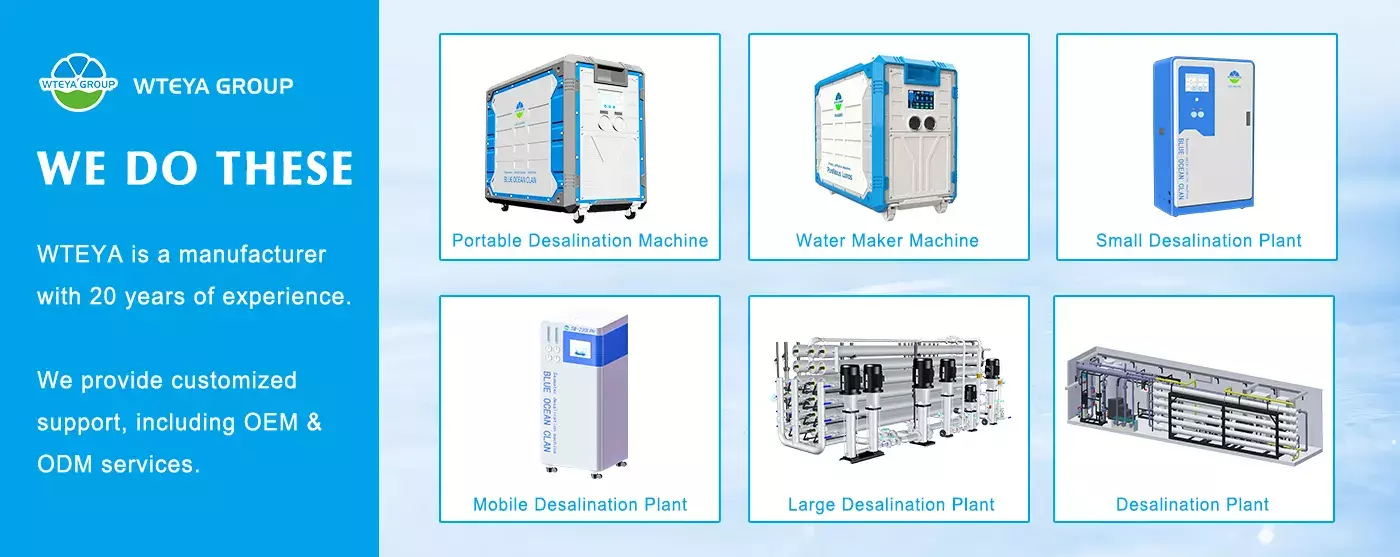
As a professional MBR wastewater treatment equipment supplier, WTEYA provides a full range of solutions, from standardized products to OEM/ODM customized solutions:
• High Efficiency and Energy Savings: Membrane modules combined with bioreactors reduce energy consumption and land usage.
• Intelligent Control: Real-time monitoring of water quality and membrane status optimizes system performance.
• Industry Versatility: Suitable for pharmaceuticals, food and beverage, electronics, chemicals, and more.
• Global Cooperation: We offer international partnerships and agency opportunities to jointly promote sustainable water management solutions.
• Comprehensive One-stop Service: Design, manufacturing, installation, commissioning, and after-sales service are all covered to ensure worry-free customer experience.
Through WTEYA’s MBR system, enterprises can achieve efficient wastewater treatment, improve resource utilization, reduce operational costs, and support ESG strategies. As industrial companies’ demands for water quality, energy efficiency, and environmental compliance continue to rise, MBR wastewater treatment systems have become the core technology for achieving sustainable industrial water management and ESG goals.
Why Partner with WTEYA?
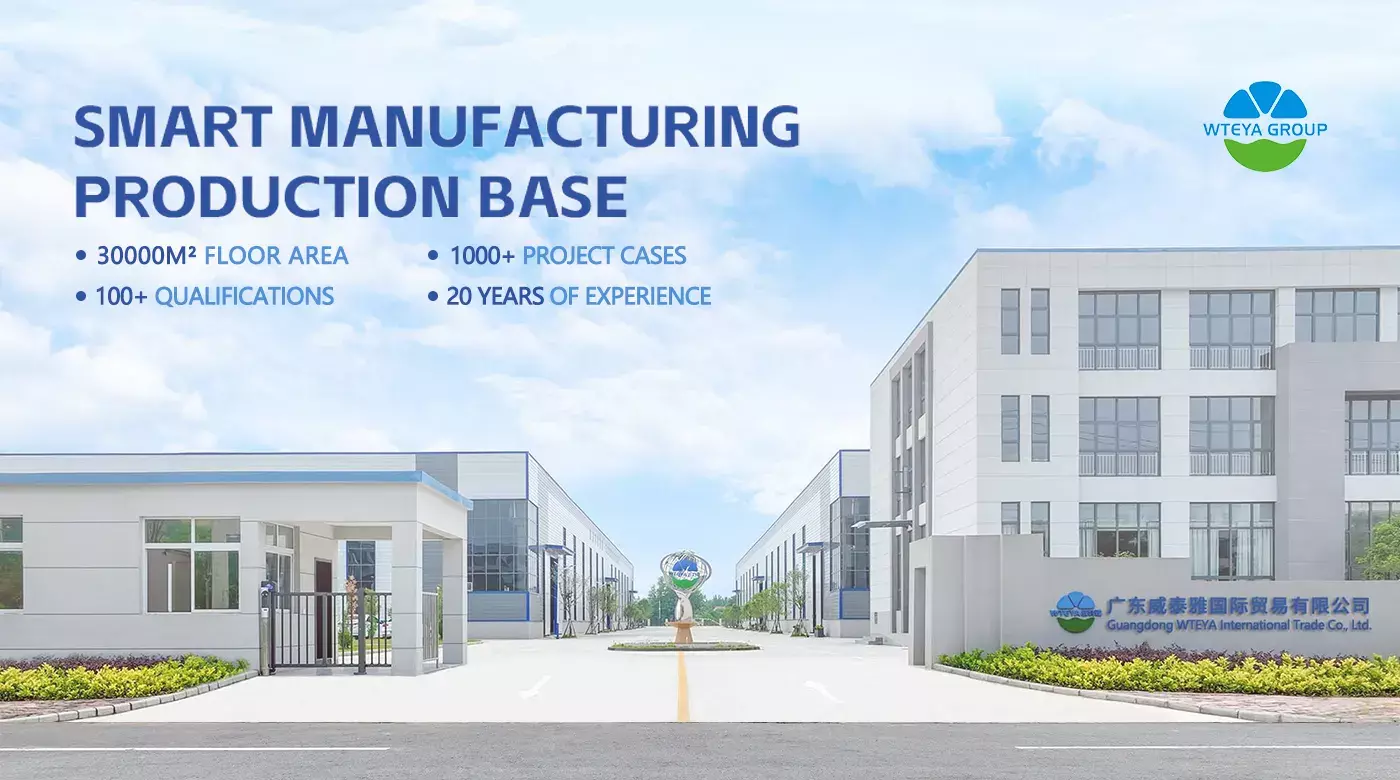
• Nearly 20 years of industry experience
• Trusted by global leaders including Foxconn, Huawei, Ganfeng Lithium, Ronbay Technology
• 100+ success cases worldwide
• OEM & ODM customization available
Become a WTEYA Distributor!
We are expanding global partnerships:
• Preferential policies
• Professional training
• Full technical support
Let us help you achieve exceptional water quality and operational sustainability!
📲 WhatsApp: +86-1800 2840 855
📧 Email: info@wteya.com
🌐 Website: www.wteya.com