







What Problems Can a Wastewater Recycling System Solve for Manufacturing Enterprises?
In today’s context of increasing water scarcity and increasingly stringent environmental regulations, manufacturing enterprises are under significant pressure to manage wastewater effectively. Traditional discharge-based wastewater treatment methods not only waste valuable water resources but also expose companies to environmental compliance risks, potentially affecting operational continuity, cost control, and long-term sustainability. As industrial upgrading and green manufacturing concepts continue to advance, wastewater recycling systems have become a critical solution for improving water utilization efficiency, reducing operating costs, and ensuring regulatory compliance.
WTEYA’s industrial-grade wastewater recycling systems, built on advanced treatment processes and intelligent control technologies, provide enterprises with a comprehensive solution that integrates wastewater treatment and water reuse.
1. Water Resource Waste 💧
Manufacturing processes require large volumes of water for rinsing, cooling, chemical reactions, and cleaning operations. Without recycling, significant amounts of freshwater are discharged directly into sewer systems or the natural environment, resulting in resource waste and increased water procurement costs.
A wastewater recycling system treats industrial effluent to a reusable standard, allowing it to be reused in production processes or cooling systems. Through membrane separation technologies (UF, RO) and evaporation concentration processes, harmful substances are effectively removed, enabling safe water reuse and maximizing water resource efficiency.
| Issue | Traditional Treatment | WTEYA Closed-Loop System |
|---|---|---|
| Water consumption | High, large daily freshwater use | Freshwater usage reduced by 40–70% |
| Water cost | High | Reduced by 30–50% |
| Environmental pressure | High | Supports near-zero discharge targets |
By recycling water resources, enterprises can reduce costs, minimize dependence on external water supplies, and enhance production sustainability.
2. Pressure from Wastewater Discharge Regulations ⚖️
As environmental regulations continue to tighten, industrial wastewater discharge standards are becoming increasingly strict. Enterprises that fail to meet these requirements may face fines, production suspensions, or mandatory rectification.
Wastewater recycling systems utilize real-time water quality monitoring to continuously track key indicators such as COD, BOD, suspended solids, and heavy metals, automatically adjusting treatment processes as needed. Treated recycled water meets production requirements while also complying with discharge standards, and in some cases enables “zero liquid discharge” operation, significantly reducing environmental compliance risks.
In addition, wastewater recycling systems enhance corporate performance in ESG (Environmental, Social, and Governance) metrics, strengthening brand reputation and corporate responsibility credentials.
3. High Discharge-Related Costs 💸
Wastewater discharge is associated not only with regulatory penalties but also with high costs for discharge fees, freshwater procurement, and chemical consumption. For large-scale manufacturing enterprises, these expenses can be substantial.
By reducing wastewater discharge volumes and enabling water reuse, recycling systems significantly lower operating costs. Recycled water reduces reliance on freshwater intake and decreases chemical consumption, delivering both environmental and economic benefits while supporting energy-efficient operations.
| Cost Category | Traditional Discharge | Recycling System |
|---|---|---|
| Discharge fees | High | Reduced by approximately 40% |
| Freshwater procurement | High | Reduced by 35–50% |
| Treatment chemicals | High | Reduced by 20–30% |
4. Production Interruptions and Water Quality Instability ⚙️
Industrial wastewater composition is often complex, and fluctuations in water quality can negatively affect treatment performance or even interrupt production. Traditional treatment systems typically lack real-time monitoring and automated control, making it difficult to ensure continuous and stable operation.
WTEYA’s recycling systems employ automated control and intelligent monitoring, continuously adjusting water quality parameters to ensure recycled water consistently meets process requirements. Stable water quality supports uninterrupted production, reduces unplanned downtime, and extends equipment service life by minimizing corrosion and scaling risks.
| Indicator | Traditional Treatment | WTEYA Closed-Loop System |
|---|---|---|
| Water quality stability | Highly variable | Stable and consistent |
| Equipment corrosion risk | High | Significantly reduced |
| Downtime risk | High | Reduced by 50–70% |
5. Resource Recovery and Environmental Protection 🌱
Industrial wastewater often contains recoverable chemical substances or thermal energy. Direct discharge not only wastes valuable resources but also increases environmental pollution risks. Closed-loop wastewater recycling systems not only purify water but also enable the recovery of useful chemical components and residual heat, creating additional value for enterprises.
By reducing pollutant discharge and maximizing resource utilization, wastewater recycling systems support environmental protection objectives while helping enterprises achieve green production goals and long-term sustainability advantages.
6. Technical Highlights of WTEYA Wastewater Recycling Systems
-
Multi-stage membrane treatment: UF, RO, and nanofiltration combinations ensure high-purity recycled water
-
Automated control systems: Real-time monitoring of water quality and flow ensures stable operation
-
Modular design: Flexible expansion based on plant size and process requirements
-
Energy-efficient operation: Integration with evaporation concentration or heat recovery technologies to reduce energy consumption
-
Intelligent alarm systems: Automatic response to abnormal conditions, reducing manual intervention and improving operational safety
Conclusion 🎯
Wastewater recycling systems are not only an environmental necessity but also a strategic tool for reducing costs, improving production efficiency, and achieving sustainable development. With WTEYA’s industrial-grade recycling solutions, manufacturing enterprises can effectively address water resource waste, high discharge costs, production disruptions, and limited resource recovery. By achieving water conservation, cost reduction, stable operations, and environmental compliance, enterprises can create long-term value and strengthen their competitive position in an increasingly sustainability-driven industrial landscape.
Why Partner with WTEYA?
-
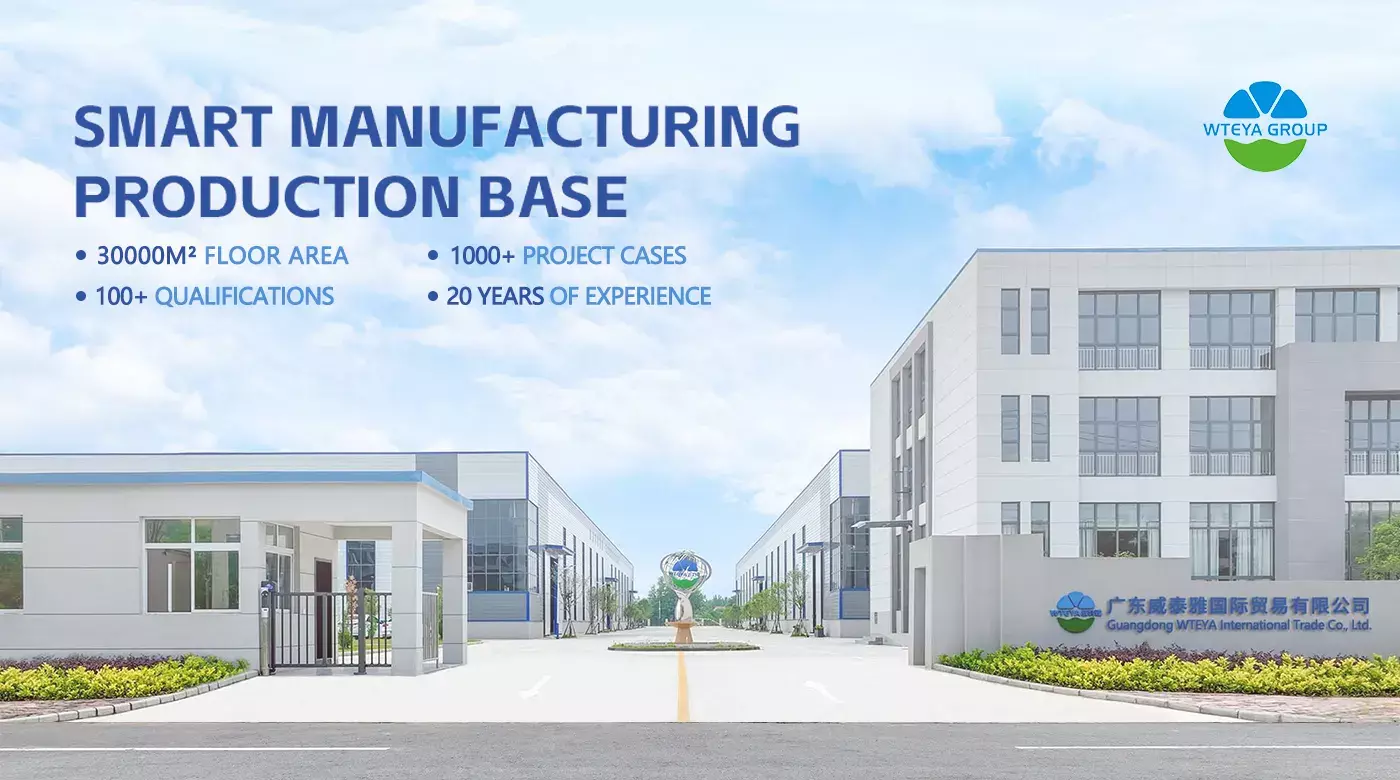
Nearly 20 years of industry experience
-
Trusted by global leaders including Foxconn, Huawei, Ganfeng Lithium, Ronbay Technology
-
100+ success cases worldwide
-
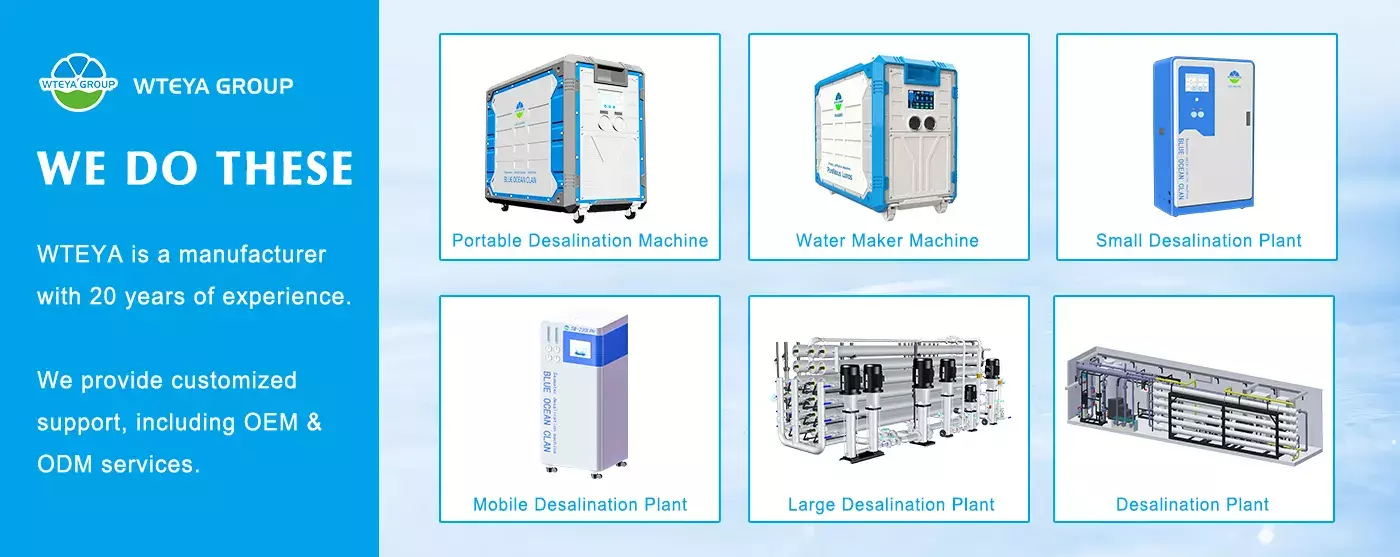
OEM & ODM customization available
WTEYA — Driving Innovation Toward a Greener Industrial Future
Become a WTEYA Distributor!
We are expanding global partnerships:
-
Preferential policies
-
Professional training
-
Full technical support
📲 WhatsApp: +86-1800 2840 855
📧 Email: info@wteya.com
🌐 Website: www.wteya.com
Let us help you achieve exceptional water quality and operational sustainability!