






Why Do Heavy Metals and High Salt Make Battery Wastewater Treatment So Challenging?
As the global market for new energy vehicles, energy storage systems, and electronic products continues to expand, the battery industry is experiencing rapid growth. While the increasing production of batteries is accelerating the global energy transition, it is also creating new environmental challenges. One of the most important is how to effectively treat the large volumes of wastewater generated during battery manufacturing and end-of-life battery recycling.
Compared with conventional industrial wastewater, battery wastewater treatment is more challenging because of its complex composition. The difficulty is not simply related to high pollutant concentrations. Battery wastewater may contain multiple types of contaminants at the same time, including heavy metal ions, high concentrations of dissolved salts, persistent organic compounds, and fluctuating acidic or alkaline components. The interaction between these contaminants makes conventional wastewater treatment technologies less effective for meeting the modern battery industry's requirements for environmental compliance, resource recovery, and zero liquid discharge.
For battery manufacturers, a reliable and efficient wastewater treatment system must do more than meet discharge standards. It should also reduce long-term operating costs and improve water recovery and reuse. As a result, developing specialized lithium battery wastewater treatment solutions has become an important part of achieving more sustainable battery manufacturing. As an experienced supplier of industrial wastewater treatment equipment, WTEYA focuses on the wastewater challenges faced by the new energy industry. By combining physicochemical treatment, membrane separation, evaporation and concentration, and crystallization technologies, WTEYA provides reliable wastewater treatment solutions for battery manufacturers and end-of-life battery recycling facilities.
Why Is Battery Wastewater More Difficult to Treat Than Conventional Industrial Wastewater?
The battery industry involves multiple production stages, including cathode material preparation, electrode slurry production, cell manufacturing, battery cleaning, and end-of-life battery dismantling and recycling. The wastewater generated at each stage can have significantly different characteristics. For example, certain processes in lithium battery manufacturing may generate wastewater containing metals such as nickel, cobalt, manganese, and lithium. During end-of-life battery recycling, processes such as crushing, leaching, and separation can generate wastewater containing even higher concentrations of metal ions and a more complex mixture of chemical compounds.
This means that battery wastewater is not a single-pollutant system but a complex mixture of different contaminants. Several key challenges need to be addressed. The first is heavy metal contamination. Battery materials contain significant quantities of metallic elements, and some of these substances can enter wastewater during manufacturing and recycling. If they are not effectively removed, they can create environmental risks and make it difficult for manufacturers to meet increasingly stringent wastewater discharge requirements. The second challenge is high salinity. Battery manufacturing involves electrolytes, chemical reagents, and various auxiliary materials that can introduce significant quantities of dissolved salts into the wastewater stream. High salinity can reduce the effectiveness of conventional biological treatment while increasing the operating pressure on membrane systems.
Battery wastewater may also contain organic contaminants such as NMP (N-Methyl-2-pyrrolidone), electrolyte additives, and other process chemicals. Some of these compounds are relatively persistent and can contribute to elevated COD levels, increasing the difficulty of downstream treatment.
For these reasons, effective battery wastewater treatment generally requires a combination of technologies designed around the characteristics of each pollutant rather than relying on a single treatment method.
Why Are Heavy Metal Ions a Major Challenge in Battery Wastewater Treatment?
Heavy metals are among the most important contaminants to control in battery wastewater treatment. Common metal ions associated with lithium battery manufacturing and recycling include nickel (Ni), cobalt (Co), lithium (Li), manganese (Mn), copper (Cu), and zinc (Zn).
These metals are essential raw materials for battery production, but once they enter wastewater, they become pollutants that require effective removal and management.
Conventional treatment methods may only target certain contaminants. When multiple metal ions are present simultaneously, treatment performance can be affected by the different chemical properties of each metal. For example, precipitation, adsorption, and separation processes often require careful control of pH, reagent dosage, reaction time, and other operating conditions. Poorly controlled conditions can result in insufficient removal efficiency or unnecessarily high treatment costs.
At the same time, the industry's focus is shifting from simply removing pollutants toward resource recovery. Battery manufacturers and recycling companies increasingly want to recover valuable metals rather than treating them solely as waste. Modern heavy metal wastewater treatment therefore needs to address both environmental compliance and resource utilization.
For battery industry applications, WTEYA combines appropriate pretreatment, chemical precipitation, and advanced treatment processes to improve heavy metal removal efficiency while creating better conditions for downstream resource recovery.
Why Does High Salinity Make Battery Wastewater Treatment More Complex?
In addition to heavy metals, high salinity is another major factor affecting battery wastewater treatment. Battery manufacturing processes can introduce significant quantities of sulfates, chlorides, and other dissolved salts into wastewater. As salt concentrations increase, conventional treatment technologies can become less effective. For example, high-salinity conditions can inhibit microbial activity during biological treatment, reducing the microorganisms' ability to degrade organic pollutants. In membrane treatment systems, high concentrations of dissolved salts can contribute to membrane fouling, osmotic pressure, and reduced permeate flux, increasing maintenance requirements and operating costs. For many battery manufacturers, even after initial treatment, the concentrated wastewater may still contain significant amounts of dissolved salts. If this concentrated stream cannot be treated further, it can create additional environmental and disposal challenges.
As a result, high-salinity battery wastewater treatment often combines membrane concentration with evaporation and crystallization technologies.
Membrane systems can reduce the wastewater volume and improve water recovery. An MVR evaporator can then further concentrate the remaining wastewater, separating water as condensate for recovery while concentrating salts for subsequent crystallization.
This is one of the main reasons why an increasing number of new energy companies are adopting integrated wastewater treatment solutions that combine MVR evaporation technology with Zero Liquid Discharge (ZLD).
How Do Organic Contaminants and pH Fluctuations Increase Treatment Complexity?
Heavy metals and salts are not the only challenges in battery wastewater treatment. Organic contaminants can also have a significant impact on overall treatment performance. During battery manufacturing, NMP (N-Methyl-2-pyrrolidone) is widely used as a solvent in certain production processes and can enter wastewater streams. Electrolyte additives and other organic chemicals may also be present.
Some of these organic compounds are relatively resistant to conventional treatment processes. If COD is not effectively reduced, it can affect final effluent quality and potentially interfere with the stable operation of downstream membrane and evaporation systems.
Battery manufacturing also involves multiple cleaning, acid washing, and alkaline washing processes. As a result, wastewater pH can fluctuate significantly.
Strongly acidic or alkaline wastewater can increase operational risks:
• Acidic conditions may accelerate corrosion of metallic equipment.
• Highly alkaline conditions can affect chemical reaction performance.
• Unstable influent characteristics can reduce the efficiency and stability of the overall treatment system.
For this reason, a complete battery wastewater treatment system typically includes equalization and pretreatment stages to stabilize wastewater characteristics before advanced treatment.
How Does WTEYA Address Wastewater Treatment Challenges in Battery Manufacturing and Recycling?
Because battery wastewater can vary significantly depending on the production process and raw materials used, WTEYA does not rely on a one-size-fits-all equipment configuration. Instead, treatment systems are designed according to the customer's production process, wastewater characteristics, treatment capacity, and final treatment objectives.
For wastewater generated during battery manufacturing, a typical treatment process may include:
Wastewater Collection → Equalization and Pretreatment → Chemical Precipitation → Advanced Treatment → Membrane Treatment → Sludge Treatment
The pretreatment stage helps stabilize wastewater characteristics, while chemical precipitation can remove heavy metals. Advanced treatment and membrane separation can then improve water recovery and reduce the volume of wastewater requiring further treatment.
For wastewater generated during end-of-life battery recycling, the contaminant concentrations and chemical composition may be more complex. A more advanced process combination may therefore be required:
Separate Collection → Physicochemical Pretreatment → Advanced Oxidation → Heavy Metal Capture → Membrane Treatment → Evaporation and Crystallization
This process configuration can be adapted to address high concentrations of metals, dissolved salts, and complex organic contaminants commonly associated with battery recycling wastewater.
With extensive experience in industrial wastewater treatment, WTEYA helps battery manufacturers and recycling companies develop more stable and efficient wastewater management systems designed to achieve:
• Effective removal of heavy metals and other pollutants
• Improved water recovery and reuse
• Wastewater volume reduction
• Compliance with increasingly stringent environmental requirements
• Progress toward Zero Liquid Discharge (ZLD)
Why Does the Battery Industry Need More Advanced Wastewater Treatment Technologies?
As the global new energy industry continues to expand, environmental requirements for battery manufacturing and recycling are also becoming increasingly demanding. The future of battery wastewater treatment will not be limited to meeting wastewater discharge standards. More attention will be placed on resource recovery, water reuse, energy efficiency, and sustainable manufacturing. Battery manufacturers need more than individual treatment equipment. They need integrated systems that can operate reliably over the long term, control overall treatment costs, and adapt to changing environmental requirements.
The combination of heavy metals, high salinity, complex organic contaminants, and fluctuating wastewater characteristics creates a high technical barrier for battery wastewater treatment. As a result, specialized and customized treatment solutions will become increasingly important as the battery industry continues to develop. With advanced industrial wastewater treatment technologies and extensive project experience, WTEYA continues to provide reliable wastewater treatment solutions for battery manufacturers and recycling companies, helping customers improve environmental performance while maximizing water and resource recovery.
Why Partner with WTEYA?
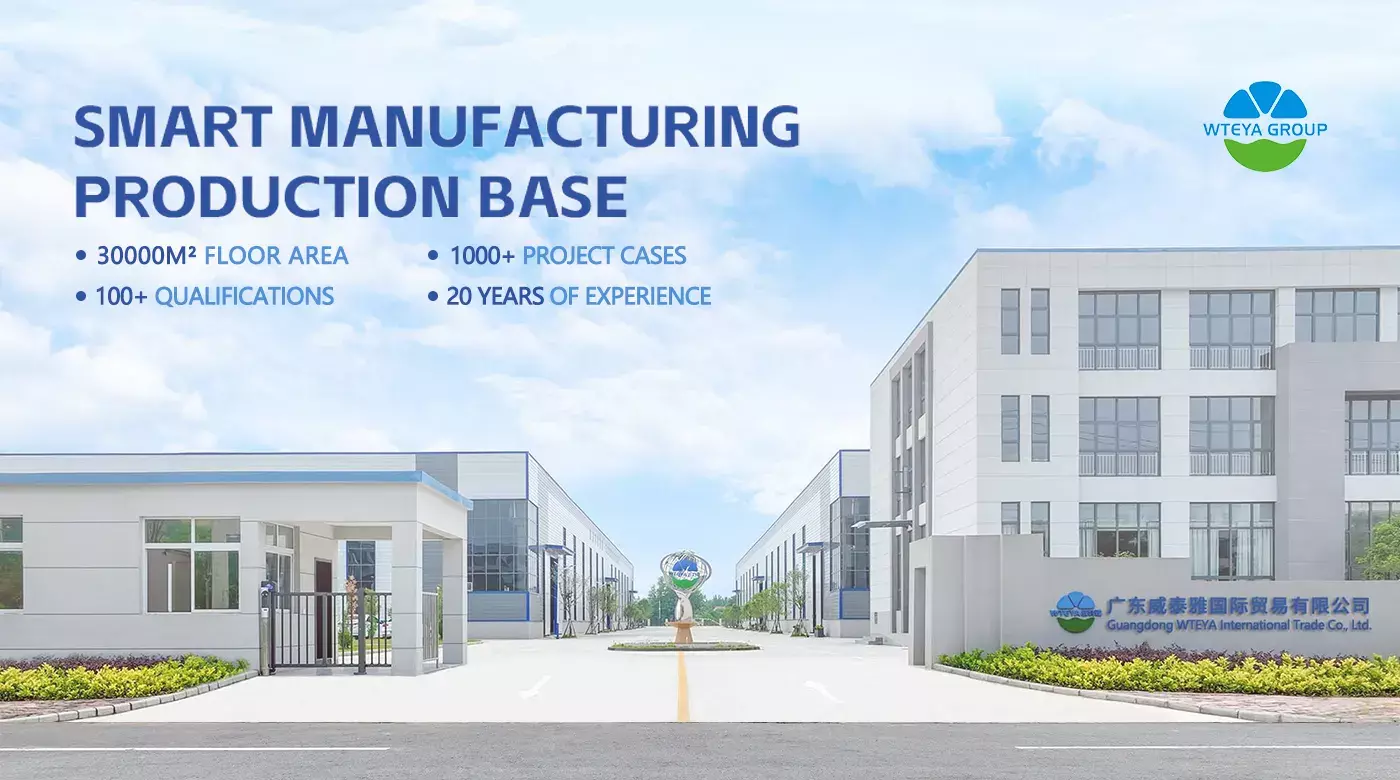
• Nearly 20 years of industry experience
• Trusted by global leaders including Foxconn, Huawei, Ganfeng Lithium, Ronbay Technology
• 100+ success cases worldwide
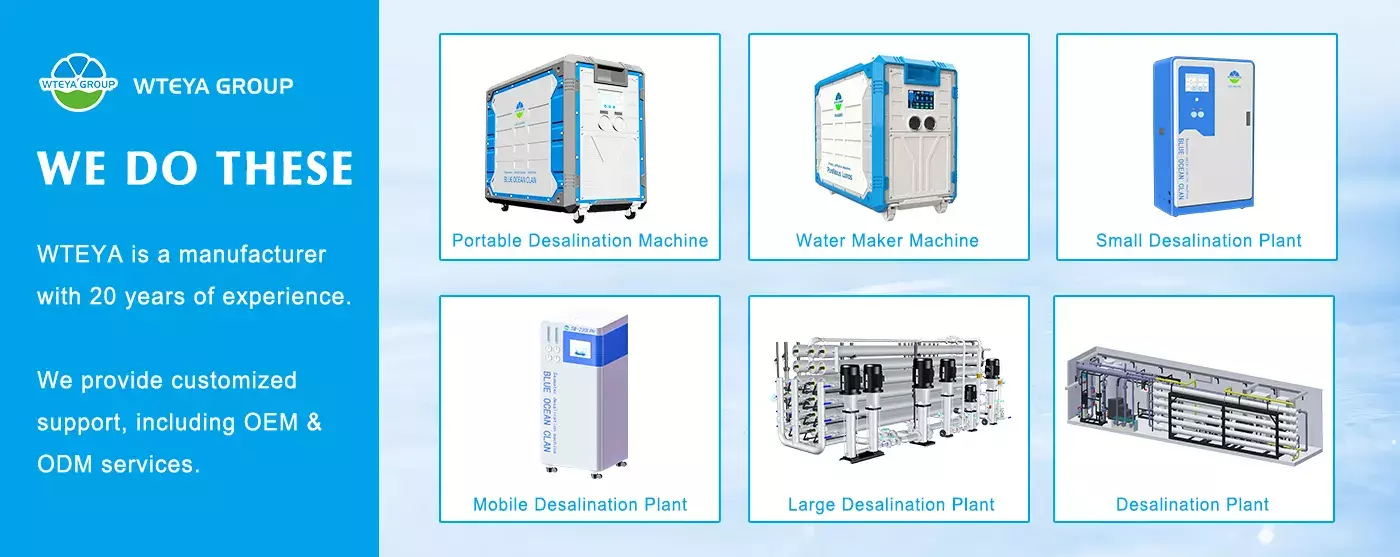
• OEM & ODM customization available
Become a WTEYA Distributor!
We are expanding global partnerships:
• Preferential policies
• Professional training
• Full technical support
Let us help you achieve exceptional water quality and operational sustainability!
📲 WhatsApp: +86-1800 2840 855
📧 Email: info@wteya.com
🌐 Website: www.wteya.com