






Why Traditional Wastewater Treatment Fails to Handle High-COD Wastewater?
There is a harsh truth circulating in the environmental protection industry: traditional wastewater treatment plants are essentially “microbial farms.” They perform well when treating relatively mild wastewater, such as domestic sewage, which is comparable to a bowl of easily digestible food for microorganisms. However, when faced with high-COD (Chemical Oxygen Demand) industrial wastewater, they often become powerless. High-COD wastewater is more like a highly concentrated, toxic mixture that microorganisms cannot easily digest. When enterprises discharge wastewater with COD levels reaching tens of thousands of mg/L directly into conventional biological treatment systems, the result is often not effective purification, but the collapse of the microbial ecosystem itself. The problem is not simply a lack of advanced technology. The fundamental issue is that the treatment principle does not match the characteristics of high-COD industrial wastewater.
This article explores why traditional wastewater treatment struggles with high-COD wastewater from the perspectives of microbial physiology and engineering economics, and explains how WTEYA’s integrated physicochemical + biological treatment approach provides a more effective solution.
1. A New Understanding: High COD Is Not “Food” — It Can Be a Chemical Weapon
Many people assume that higher COD means more organic matter, which should provide more “food” for microorganisms.
This assumption is misleading.
For humans, rice provides energy, but consuming a large amount of salt or pesticide can be harmful. Microorganisms face the same challenge.
High-COD industrial wastewater often contains three major threats that can severely damage biological treatment systems.
1.1 Rapid Oxygen Depletion
Microorganisms require dissolved oxygen to break down organic pollutants. When COD concentrations become extremely high, conventional aeration systems cannot supply oxygen fast enough. Dissolved oxygen levels can quickly drop to near zero, causing microorganisms to enter oxygen-deficient conditions.
As microbial activity decreases, the biological system may experience:
• Sludge deterioration
• Reduced degradation efficiency
• Odor generation
• Increased treatment instability
Instead of supporting microbial growth, excessive organic loading can create a hostile environment.
1.2 Osmotic Shock Caused by High Salt and Extreme Conditions
High-COD wastewater is often accompanied by:
• High salinity
• Strong acidity
• Strong alkalinity
• Toxic chemical compounds
These conditions create severe stress on microbial cells. When external osmotic pressure changes dramatically, microbial cells may lose water and suffer structural damage, similar to how vegetables shrink when placed in highly concentrated saltwater. As a result, microorganisms lose their ability to reproduce and metabolize pollutants effectively.
1.3 Persistent Organic Compounds Beyond Microbial Capability
Traditional biological treatment is mainly effective for easily biodegradable organic pollutants, such as:
• Sugars
• Starches
• Simple organic compounds
However, many industrial wastewater streams contain complex pollutants, including:
• Lignin compounds
• Polycyclic aromatic hydrocarbons (PAHs)
• Synthetic dyes
• Pharmaceutical residues
These substances are difficult or impossible for ordinary microorganisms to degrade because they lack the necessary enzymes and metabolic pathways. Therefore, forcing biological systems to treat high-COD wastewater is like sending ordinary soldiers into a battlefield filled with chemical weapons.
2. Four Major Limitations of Traditional Wastewater Treatment
Why can’t we simply build larger biological tanks or extend retention time? Because traditional processes face several fundamental limitations.
Limitation 1: Organic Shock Loading Creates System Collapse
Conventional activated sludge systems typically operate within a limited organic loading range.
However, some industrial wastewater streams can reach COD concentrations of:
50,000 mg/L or even higher.
Even after significant dilution, the organic load may still exceed biological system capacity.
Once overloaded, the treatment system may experience:
• Sludge bulking
• Excessive foaming
• Poor settling performance
• Unstable effluent quality
After biological system failure, recovering microbial populations may require 15–30 days, creating serious production risks for industrial enterprises.
Limitation 2: Toxic Inhibitors Act as Hidden Killers
Even trace concentrations of toxic substances can severely affect biological treatment.
Examples include:
- Heavy metals such as copper, mercury, and cadmium
- Cyanide compounds
- Toxic organic solvents
Traditional biological systems often lack sufficient protective pretreatment. When these pollutants enter the biological tank directly, they can destroy microbial communities, similar to introducing toxic chemicals into an ecosystem.
Limitation 3: Excessive Energy Consumption
To handle high COD levels, conventional systems often rely on intensive aeration. However, aeration requires significant electricity consumption. For high-strength wastewater, the energy cost of supplying oxygen can become economically unacceptable. More importantly, much of the organic energy contained in wastewater is wasted instead of being recovered. A properly designed anaerobic system can convert organic pollutants into valuable biogas, transforming wastewater treatment from an energy-consuming process into a potential energy recovery opportunity.
Limitation 4: Excessive Land Requirement and Investment Cost
If traditional biological treatment is forced to handle high-COD wastewater, the only option is often to increase:
• Hydraulic retention time
• Tank volume
• Treatment infrastructure
Some systems may require retention times exceeding 10 days.
This leads to:
• Large construction areas
• Higher investment costs
• Increased operation expenses
For industrial parks and factories with limited space, this approach is often impractical.
3. WTEYA’s Solution: A Synergistic Physicochemical and Biological Treatment Strategy
Since relying only on microorganisms is not effective, the key solution is not to force microorganisms to handle impossible tasks.
The better approach is:
First remove or break down difficult pollutants through physicochemical methods, then allow optimized biological processes to handle the remaining biodegradable compounds.
WTEYA develops high-COD wastewater treatment systems based on a three-stage treatment model:
Pretreatment → Core Degradation → Advanced Purification
Stage 1: Physicochemical Pretreatment — Breaking Down the Toughest Pollutants
High-COD wastewater is first treated through advanced physicochemical processes instead of entering biological systems directly.
Oxidation and Adsorption Technology
WTEYA utilizes advanced oxidation technologies such as the Fenton process.
Through the generation of highly reactive hydroxyl radicals (•OH), complex organic molecules can be rapidly oxidized and broken down into smaller biodegradable compounds.
Benefits include:
• Significant COD reduction
• Reduced wastewater toxicity
• Improved biodegradability
Combined with adsorption technologies, pollutants can be effectively removed before biological treatment. Compared with expensive activated carbon, alternative adsorption materials such as carbon-based powders can provide a more economical treatment option while offering potential energy recovery value.
Incineration Treatment — The Ultimate Solution for Extremely High COD Wastewater
For wastewater with extremely high COD concentrations, such as:
• Chemical production residues
• Pharmaceutical concentrated waste
• High-strength process liquids
thermal incineration can provide complete destruction of organic pollutants.
Through high-temperature oxidation, organic compounds are converted into:
- Carbon dioxide
- Water vapor
This approach is especially suitable for industrial wastewater streams that cannot be economically treated through conventional methods.
Stage 2: Energy Recovery Through High-Efficiency Anaerobic Treatment
After pretreatment reduces toxicity and improves biodegradability, wastewater enters the biological treatment stage.
Instead of relying only on conventional aerobic treatment, WTEYA applies advanced anaerobic technologies such as optimized IC/UASB systems.
Advantages of Anaerobic Treatment:
✅ Higher tolerance to high organic concentrations
✅ No continuous aeration requirement
✅ Lower energy consumption
✅ Biogas recovery potential
Anaerobic microorganisms convert organic pollutants into methane-rich biogas.
Approximately:
1 kg of COD can generate around 0.35 m³ of methane under suitable conditions. This allows wastewater treatment to become an opportunity for energy recovery rather than simply an operating expense.
Stage 3: Advanced Biological Treatment — Reliable Final Purification
For final polishing and discharge compliance, WTEYA integrates flexible biological technologies such as:
SBR (Sequencing Batch Reactor) Technology
Unlike traditional continuous-flow biological systems, SBR operates through programmed cycles:
•Filling
•Reaction
•Aeration
•Sedimentation
•Discharge
Its flexible operation allows the system to adapt to industrial wastewater fluctuations.
Even when influent conditions change, SBR can adjust operating parameters to maintain stable treatment performance.
The result is:
• Stable COD removal
• Improved effluent quality
• Reliable compliance with discharge standards
Conclusion: High-COD Wastewater Requires a Smarter Treatment Philosophy
The reason traditional wastewater treatment struggles with high-COD wastewater is not simply because the technology is outdated.
The fundamental problem is that it attempts to solve a complex industrial challenge with a biological system that has natural limitations.
High-COD wastewater represents a conflict between:
• Complex molecular structures
• Fragile microbial ecosystems
A truly effective treatment strategy requires a combination of technologies.
WTEYA’s integrated approach first uses physical and chemical methods to transform difficult pollutants, then applies optimized biological processes to achieve efficient and sustainable purification.
Why Partner with WTEYA?
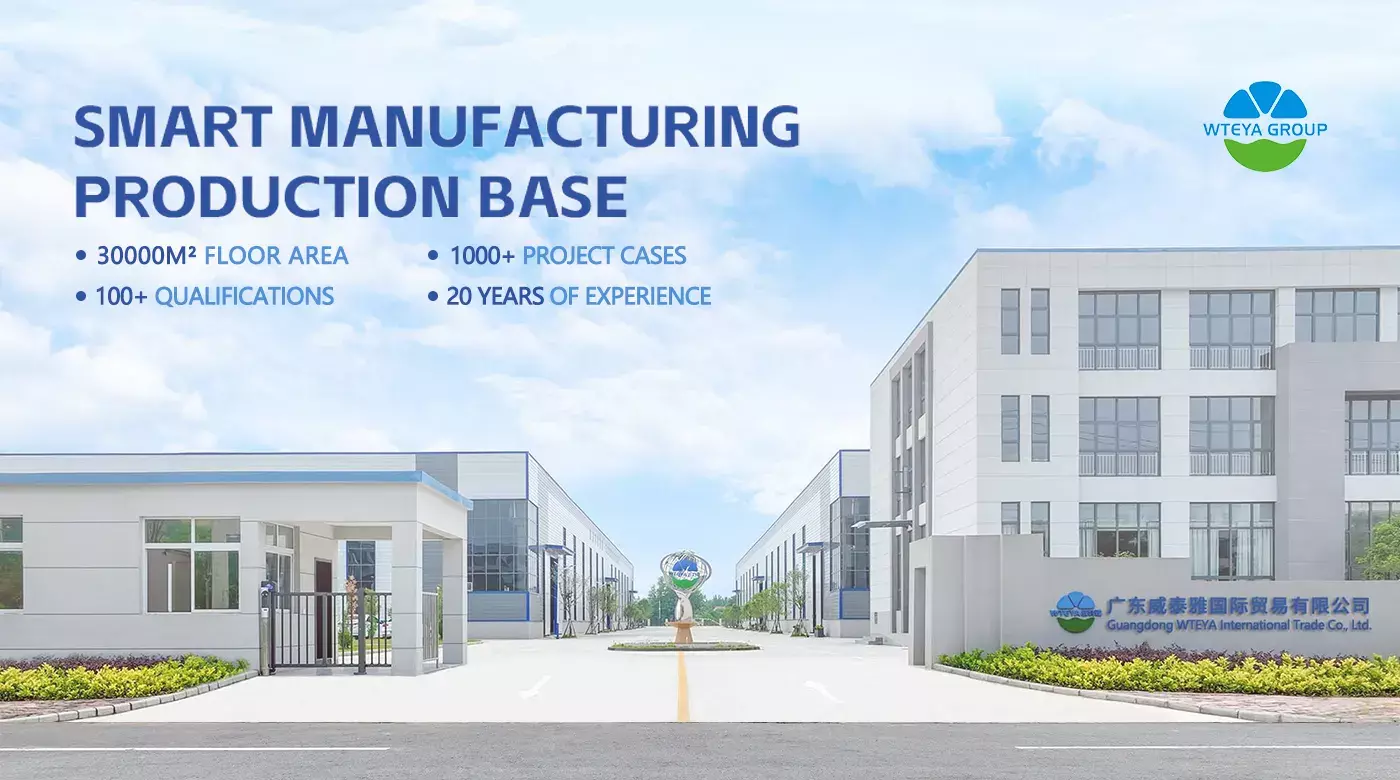
• Nearly 20 years of industry experience
• Trusted by global leaders including Foxconn, Huawei, Ganfeng Lithium, Ronbay Technology
• 100+ success cases worldwide
• OEM & ODM customization available
Become a WTEYA Distributor!
We are expanding global partnerships:
• Preferential policies
• Professional training
• Full technical support
Let us help you achieve exceptional water quality and operational sustainability!
📲 WhatsApp: +86-1800 2840 855
📧 Email: info@wteya.com
🌐 Website: www.wteya.com