






10T/D Tin Plating Wastewater Treatment Project for Oulai New Materials
10T/D Tin Plating Wastewater Treatment Project for Oulai New Materials
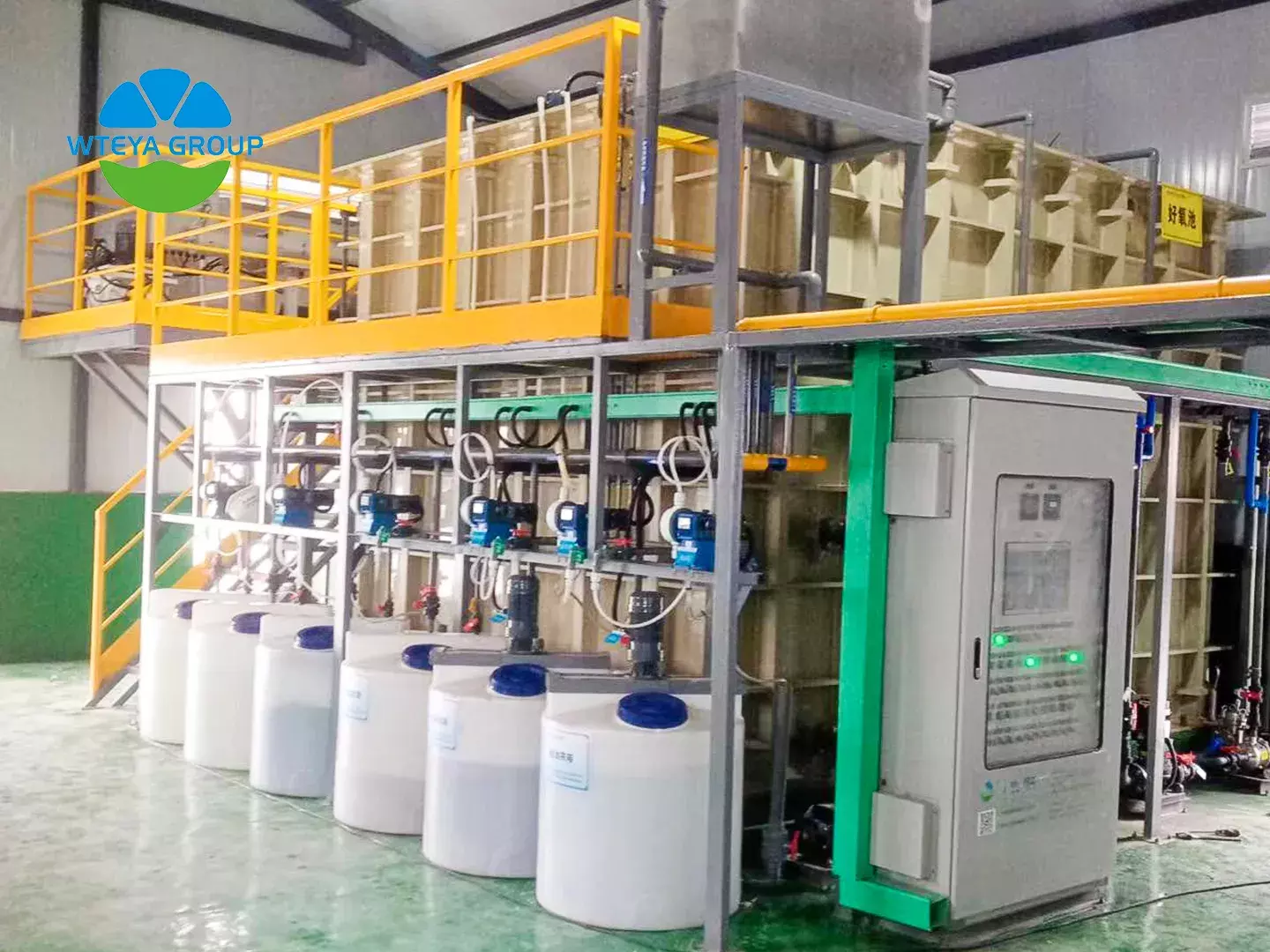
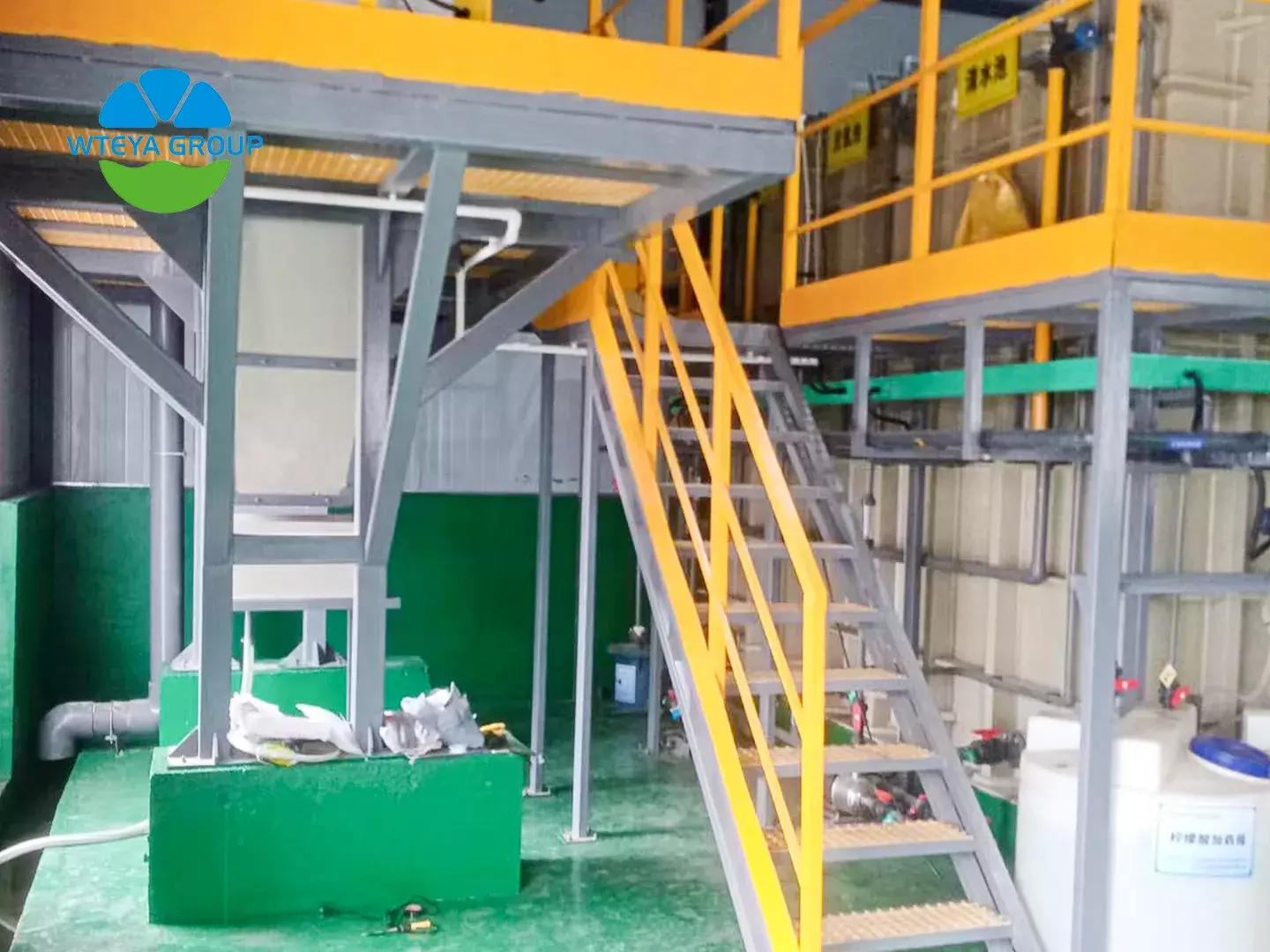
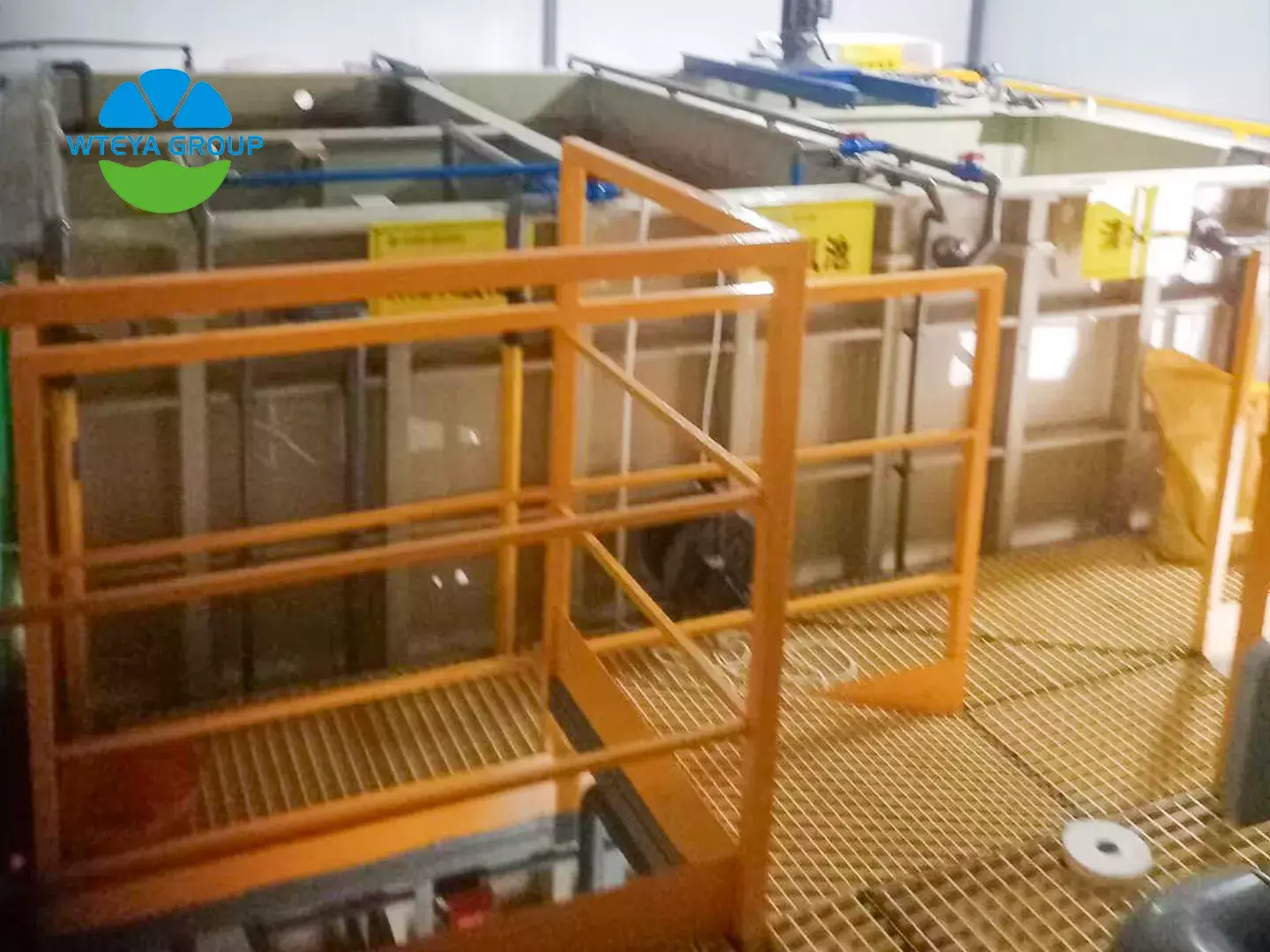
WTEYA successfully delivered a 10T/D tin plating wastewater treatment system for Guangdong Oulai Hi-Tech Material Co., Ltd., utilizing a sequential batch physicochemical treatment system combined with AD (Anaerobic Digestion) and MBR (Membrane Bioreactor) technology to achieve compliant discharge and water reuse.
🤝 Project Overview
Guangdong Oulai Hi-Tech Material Co., Ltd. is a leading manufacturer of high-performance electronic materials, specializing in tin-plated products and surface treatment processes. The company's production generates tin-bearing wastewater containing heavy metals, complexing agents, and organic contaminants that require specialized treatment before discharge.
| Item | Detail |
|---|---|
| Client | Guangdong Oulai Hi-Tech Material Co., Ltd. |
| Project | 10T/D Tin Plating Wastewater Treatment |
| Capacity | 10 tons per day |
| Treatment Goal | Compliant discharge + partial reuse |
| Process | Sequential Batch Physicochemical + AD + MBR |
💧 Tin Plating Wastewater Characteristics
Tin plating wastewater from electronic material manufacturing presents unique treatment challenges due to its complex composition:
- Tin (Sn) compounds — Stannous and stannic ions requiring specialized precipitation and coagulation
- Heavy metals — Copper, nickel, and lead traces from plating bath carryover
- Complexing agents — EDTA, citrate, and tartrate that bind metal ions and resist conventional precipitation
- Organic contaminants — Surfactants, brighteners, and wetting agents from plating additives
- High COD — Chemical oxygen demand from organic additives and solvents
- Variable pH — Acidic and alkaline waste streams requiring careful pH adjustment
- Low biodegradability — BOD/COD ratio often below 0.2, requiring advanced oxidation as pre-treatment
Conventional treatment methods often fail to meet discharge standards for tin-bearing complex wastewater. WTEYA's integrated approach combines the strengths of physicochemical separation, biological degradation, and membrane filtration to achieve reliable results.
⚡ Treatment Process: Sequential Batch Physicochemical + AD + MBR
WTEYA designed a three-stage treatment system specifically tailored for Oulai's tin plating wastewater:
Stage 1: Sequential Batch Physicochemical Treatment System
The sequential batch physicochemical reactor operates in a time-based cycle rather than a continuous flow format, offering superior flexibility for variable wastewater loads:
- pH Adjustment — Precise dosing of acid/alkali to break metal-complex bonds and optimize precipitation conditions
- De-complexing — Oxidative breaking of EDTA and citrate complexes using sodium hypochlorite and Fenton's reagent, releasing free metal ions
- Coagulation & Flocculation — PAC (polyaluminum chloride) and PAM (polyacrylamide) dosing to form dense flocs capturing tin and heavy metal hydroxides
- Sedimentation — Batch settling with sludge recycling to reduce chemical consumption
- Sequential Operation — Fill → React → Settle → Decant → Idle cycles ensure complete reaction and high removal efficiency
Key advantages of the batch system include: 40% smaller footprint compared to continuous flow systems, precise reaction control, ability to handle shock loads, and reduced chemical consumption through optimized dosing algorithms.
Stage 2: AD (Anaerobic Digestion) Biological Treatment
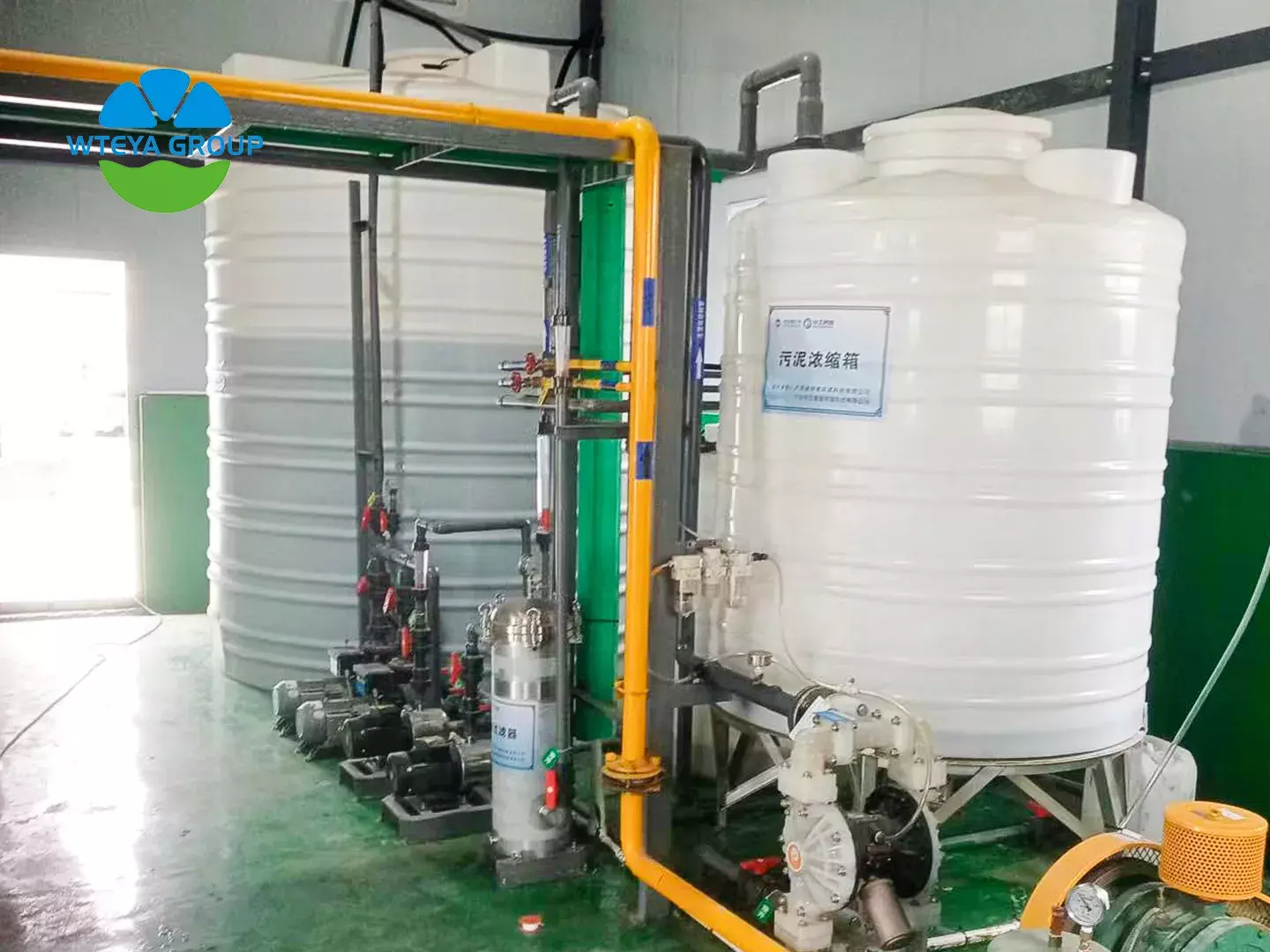
Following physicochemical pre-treatment, the wastewater enters an anaerobic digestion reactor to degrade residual organic contaminants:
- Hydrolysis & Acidogenesis — Complex organics (surfactants, brighteners) are broken down into volatile fatty acids by acidogenic bacteria
- Methanogenesis — Methanogenic archaea convert VFAs to biogas (methane + CO₂), reducing COD by 50–70%
- Granular Sludge — UASB-type granular biomass provides high biomass concentration and resistance to toxic compounds
- Biogas Recovery — Generated methane can be captured for energy recovery, reducing operational costs
The AD stage is particularly effective for the high-COD, low-biodegradability wastewater from tin plating, as the anaerobic environment can degrade complex organics that aerobic processes struggle with. Typical COD removal: 50–70%, with biogas yield of 0.3–0.5 m³ per kg COD removed.
Stage 3: MBR (Membrane Bioreactor) Polishing
The final treatment stage uses a Membrane Bioreactor to achieve high-quality effluent suitable for discharge or reuse:
- Aerobic Biodegradation — Activated sludge degrades residual dissolved organics to achieve COD < 50 mg/L
- Membrane Filtration — PVDF hollow fiber membranes (0.1 μm pore size) completely retain biomass, producing crystal-clear permeate
- High MLSS Operation — Mixed liquor suspended solids maintained at 8,000–12,000 mg/L, enabling compact tank design and stable performance
- Nutrient Removal — Simultaneous nitrification-denitrification within the MBR tank removes nitrogen and phosphorus
- Sludge Reduction — Long sludge age (30–60 days) minimizes excess sludge production, reducing disposal costs
MBR effluent quality: COD < 50 mg/L, BOD < 10 mg/L, SS ≈ 0 mg/L, turbidity < 1 NTU, meeting Class I discharge standards and suitable for partial reuse in the production line.
🏭 Technical Highlights & Innovation
Integrated Three-Stage Approach
The combination of sequential batch physicochemical treatment, anaerobic digestion, and MBR technology creates a synergistic treatment train where each stage addresses specific contaminants:
- Physicochemical stage removes heavy metals (Sn, Cu, Ni) and breaks complexing agents
- AD stage degrades refractory organics and reduces COD load on the MBR
- MBR stage provides final polishing and complete solids removal
Sequential Batch Reactor (SBR) Advantages
- Handles variable wastewater flow and concentration — ideal for batch-production facilities
- No separate sedimentation tank needed — 40% smaller footprint
- Real-time ORP and pH control for optimized chemical dosing
- Sludge settling occurs under static conditions, ensuring excellent separation
PLC Automatic Control System
- Full-process automation with Siemens S7-1200 PLC
- Touch screen HMI with real-time monitoring of pH, ORP, DO, MLSS, flow rate
- Remote monitoring via mobile app for unattended operation
- Automatic alarm and safety interlock for abnormal conditions
- Data logging and reporting for regulatory compliance
Anti-Corrosion Design
All wetted components use corrosion-resistant materials: PP/HDPE for chemical tanks, 316L stainless steel for piping and valves, and epoxy-coated carbon steel for structural frames. This ensures long service life (>nearly 20 years) in the aggressive tin plating wastewater environment.
🛡️ WTEYA — Your Trusted Wastewater Treatment Partner
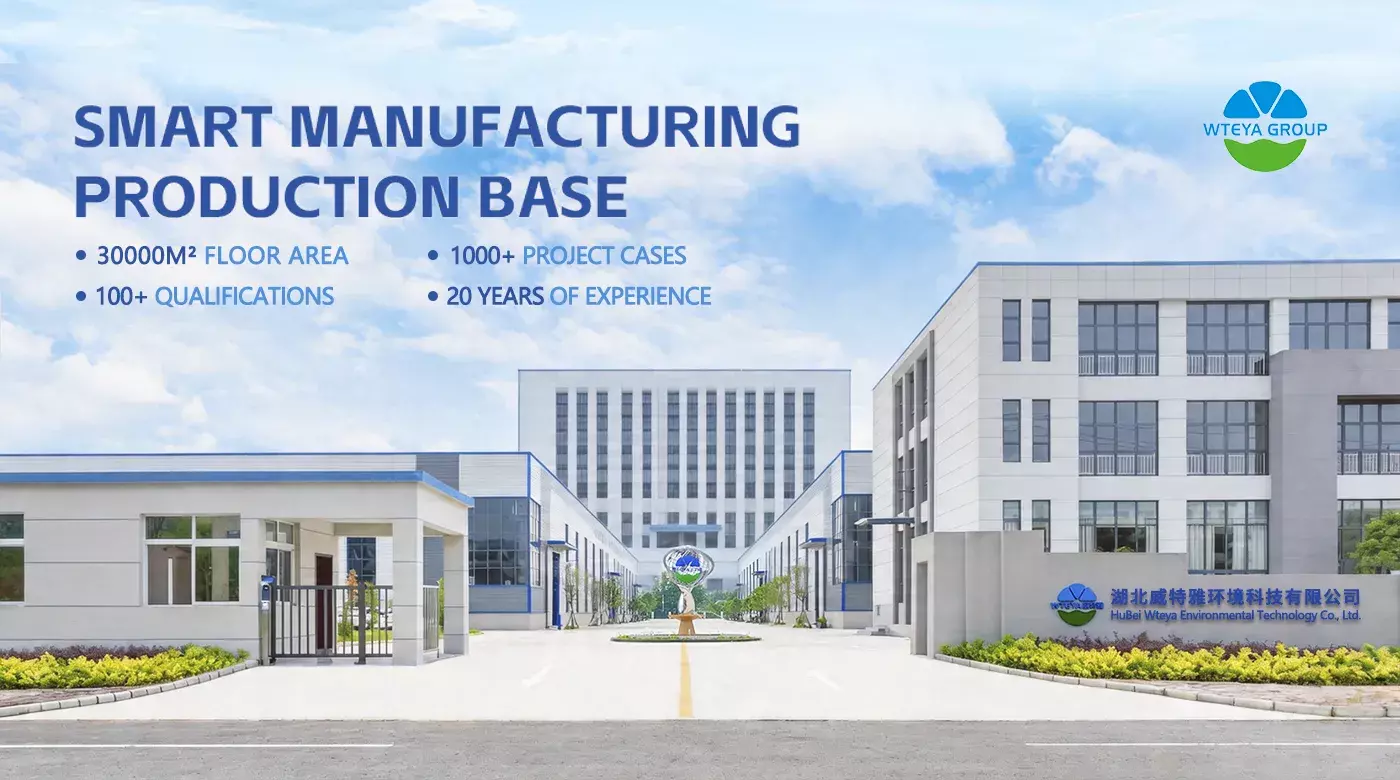
WTEYA (Guangdong WTEYA Environmental Technology Co., Ltd.) has been specializing in industrial wastewater treatment for nearly 20 years. With a 30,000 m² manufacturing base, 500+ employees, and 200+ patents, WTEYA has delivered over 2,000 wastewater treatment projects across 30+ provinces in China and 30+ countries worldwide.
Our core expertise includes:
- Heavy Metal Wastewater Treatment — Tin, copper, nickel, chromium, zinc, and lead removal systems
- Plating & Surface Treatment Wastewater — Electroplating, anodizing, and coating wastewater solutions
- MBR & Membrane Technology — MBR, UF, NF, and RO systems for water reuse and ZLD
- Sequential Batch Reactor (SBR) Systems — Compact, flexible physicochemical treatment for variable loads
- Zero Liquid Discharge (ZLD) — Complete wastewater recycling with MVR evaporation technology
- OEM & ODM Services — Custom-designed systems built to client specifications
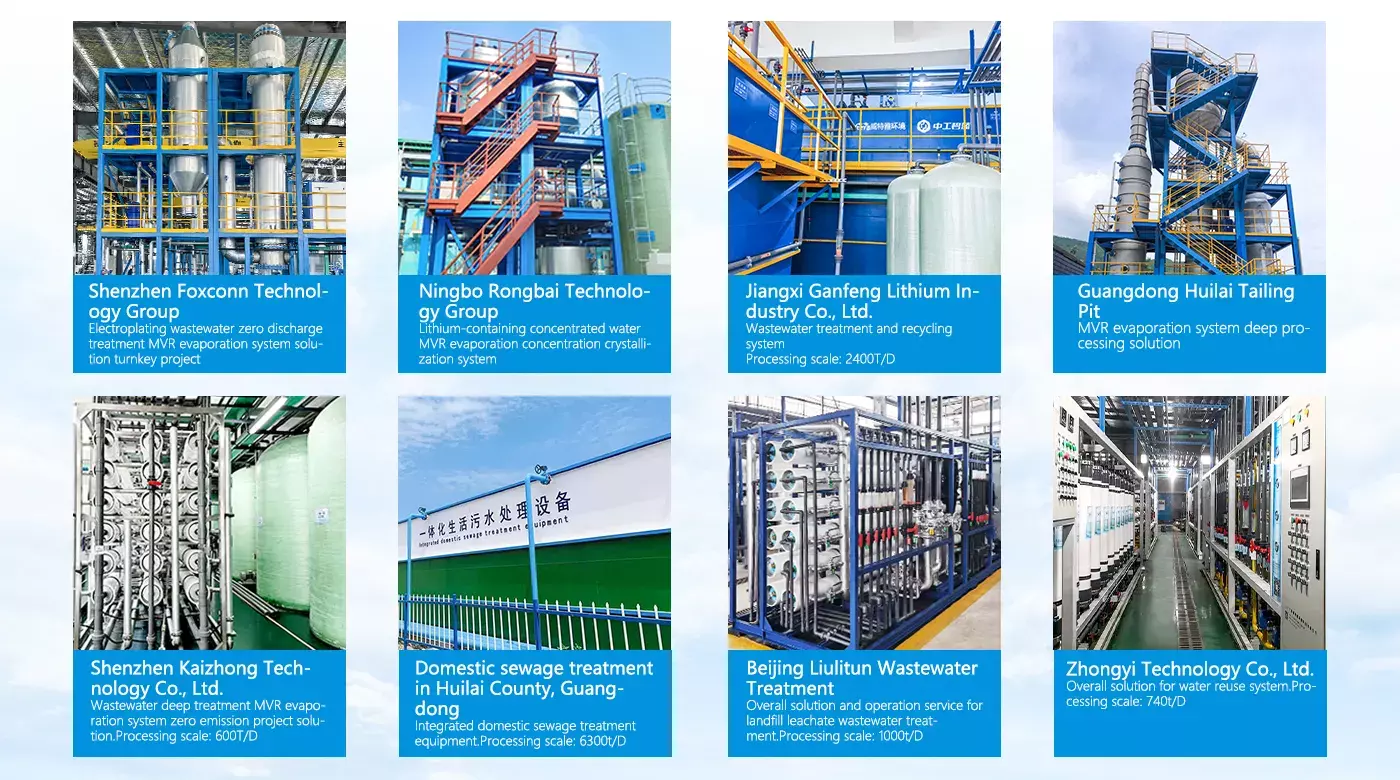
WTEYA's clients include leading enterprises such as CATL, BYD, Foxconn, Ganfeng Lithium, and other Fortune 500 companies. All systems are certified with ISO9001, ISO14001, and ISO45001, with equipment reliability exceeding 99%.
Frequently Asked Questions
Q: How does industrial wastewater treatment work?
A: Industrial wastewater treatment typically involves pre-treatment, membrane concentration, evaporation, and crystallization to remove contaminants and recover water.
Q: What are the benefits of wastewater recycling?
A: Benefits include reduced water costs, environmental compliance, reduced discharge fees, and improved corporate sustainability.
Ready to Reduce Your Environmental Footprint?
Still using outdated treatment methods? Upgrade to WTEYA's advanced technology and see immediate improvements in efficiency and compliance.
Schedule a video call with our engineers to explore your options.
📲 WhatsApp: +86-1800 2840 855
📧 Email: info@wteya.com
🌐 Website: www.wteya.com