







Can You Rent an MVR Evaporator Instead of Buying One?
🤔 Why Operators Ask About Renting
An MVR evaporator is normally bought as a capital project, and for a stable long-term duty that remains the right answer. Renting enters the conversation in four specific situations: a compliance deadline that has to be met before new equipment can be delivered, a failure in an existing evaporation system that leaves effluent with nowhere to go, a transition period while a permanent plant is built, and a process validation stage where the operator wants to confirm that MVR suits its water before committing capital.
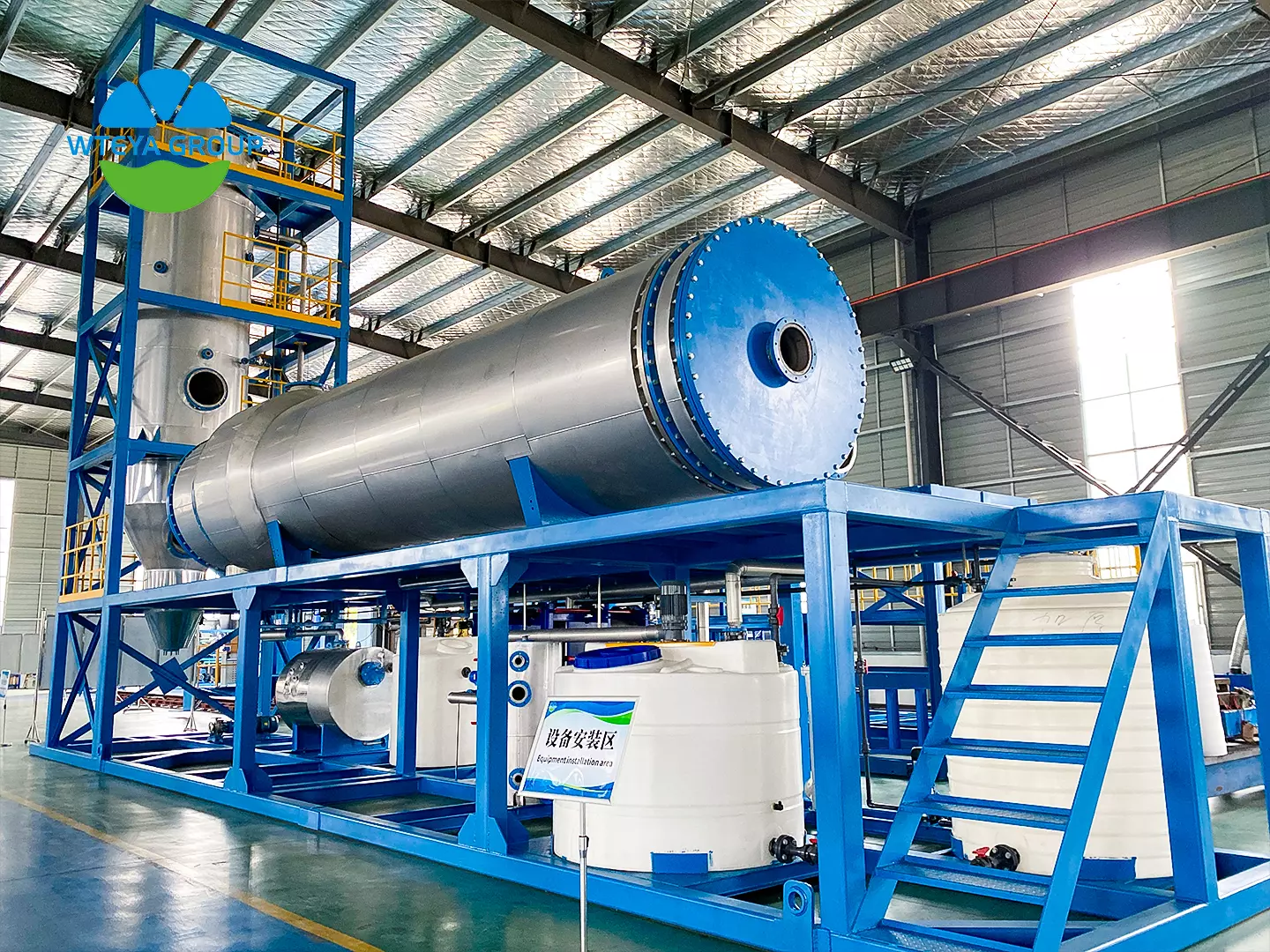
Rental has matured into a normal commercial option in the environmental sector precisely because those situations are common, and because an MVR skid is a packaged, transportable asset. A standard forced-circulation unit with a 0.5 to 10 t/h evaporation capacity, titanium heat-exchange tubes and automatic control can be delivered, connected and started within days rather than the months a bespoke plant takes to design and build.
📋 The Three Rental Models
1. Straight equipment rental. The complete packaged unit is hired by the month or the year. Rent is typically quoted at 1.5% to 3% of equipment value per month, with a deposit held separately. Consumables, utilities and operating labour stay with the operator.
2. Rental with operation and maintenance. The supplier also supplies the operating team and takes responsibility for running the plant, and the operator pays per cubic metre or per tonne treated. This suits sites without in-house evaporation experience, because process risk transfers to the party that understands it.
3. BOO / BOT (build–own–operate, build–operate–transfer). The supplier invests in, builds and operates the plant for a contract term that normally runs 3 to 10 years, charging by throughput. It removes the large one-off capital outlay entirely and replaces it with a service fee.
💰 What the Rent Covers — and What It Does Not
Rental fees normally include depreciation and routine maintenance, which is one reason the headline rate looks attractive against a purchase price. Electricity, chemicals and operating labour are usually the lessee’s responsibility, so the cost boundary has to be agreed in writing: who pays for electricity and steam supply connections, who buys antiscalant and cleaning chemicals, who holds spare parts, and how consumable wear is treated.
A second boundary is response time. Ask specifically what happens on a breakdown — how fast a technician arrives, and whether a standby unit is provided. A credible supplier will commit to a replacement or repair window in the contract rather than leaving it to goodwill.
🏭 Where Rental Fits Best
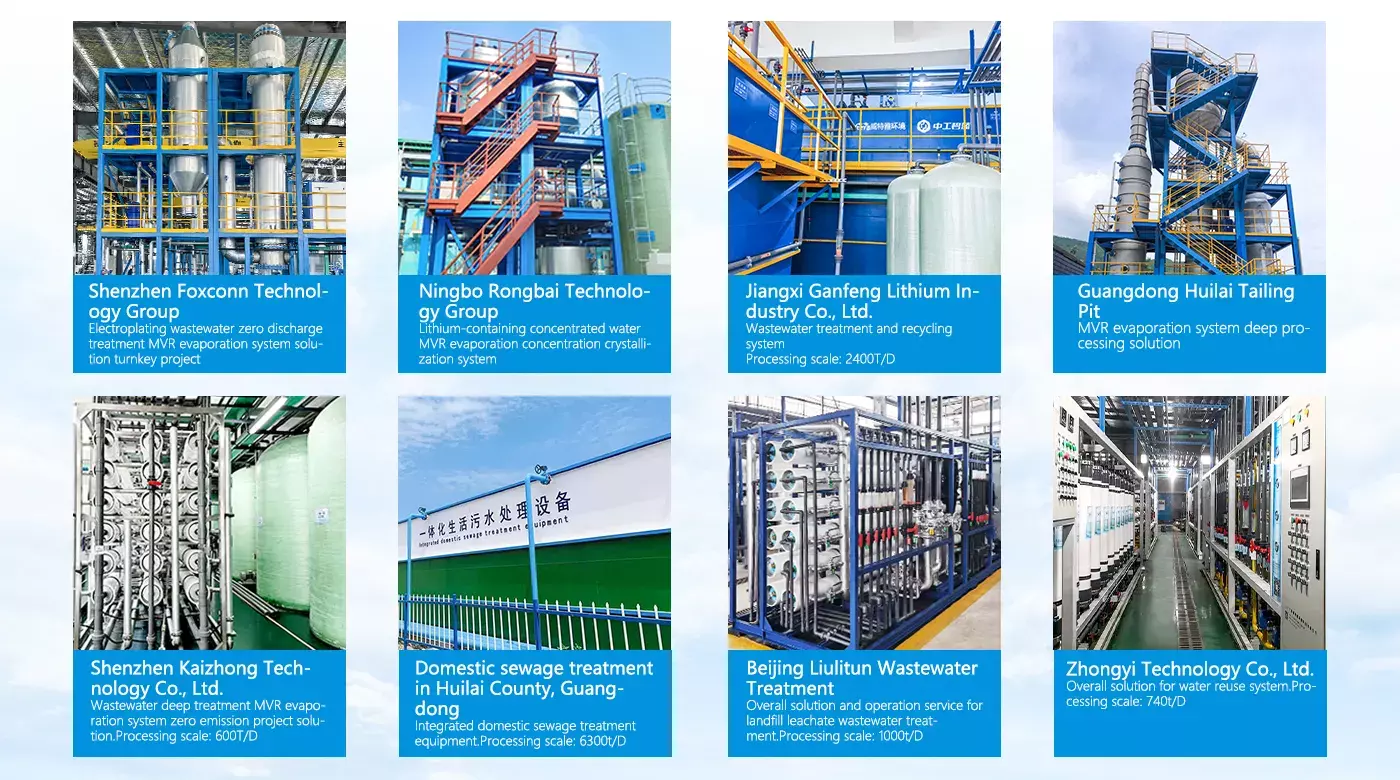
Renting works wherever the duty fits inside a standard packaged unit and the duration is uncertain. Typical users are industrial sites in chemical, electroplating, PCB, lithium battery, surface treatment and landfill leachate operations, together with high-salinity and zero liquid discharge projects where the concentrate stream has to be reduced while a permanent installation is planned.
The constraint is capacity, not chemistry: a rental unit has to cover the evaporation duty with some margin, and the feed water has to be within the materials and pretreatment design of the skid. If concentrated brine is involved, the rental scope also has to include the crystalliser or the mother-liquor handling that goes with it.
⚠️ Due Diligence Before You Sign
Three checks protect the operator. First, verify the actual evaporation capacity rather than the nameplate figure, and ask for the equipment’s operating records and maintenance logbook — a unit that has run continuously for years will be cheaper to rent but needs an honest maintenance history. Second, insist on a trial run before acceptance, ideally with your own water, so that both parties see the real capacity and the real product quality.
Third, fix the commercial terms in the contract: responsibility split when a failure occurs, the commitment to a replacement unit (a 48-hour stand-by promise is a reasonable benchmark), the condition standard the equipment must be returned in, and who pays return transport. Without those four clauses, the cheapest quotation can end up the most expensive project.
📐 When Buying Is the Better Answer
If the duty is stable, continuous and long term, a purchase almost always wins on total cost of ownership — the rental rate is designed to recover equipment value over a few years, and beyond that point the operator is paying for something it could own. Renting wins when the horizon is short or the volume is genuinely uncertain, because it converts capital risk into an operating expense.
A middle path is rent-to-own: rental payments are credited against the purchase price, so a site can validate MVR on its own water first, then convert the same unit into owned equipment. WTEYA offers this structure on standard MVR evaporator models, together with a preliminary design proposal issued within 48 hours of receiving a water analysis.
🔗 Related FAQs
What Is the Delivery Time for an MVR Evaporator?
How Long Does an MVR Evaporator Last?
Which Factors Drive MVR Evaporator Investment Cost?
What Should You Verify Before Choosing an MVR Evaporator Manufacturer
WTEYA is a professional evaporation equipment manufacturer with nearly 20 years of experience. We provide customized solutions and full OEM & ODM services for your specific wastewater requirements.
Schedule a video call with our engineers to explore your options.
📲 WhatsApp: +86-1800 2840 855
📧 Email: info@wteya.com
🌐 Website: www.wteya.com
Previous: What Should You Verify Before Choosing an MVR Evaporator Manufacturer
Next: No More