






What Is the Delivery Time for an MVR Evaporator?
Ordering an MVR evaporator is not like buying a standard pump: every system is engineered around your water quality, capacity and site conditions. From contract signing to shipment, delivery normally takes 90-180 days, and the exact figure depends on the size of the system and how customized it is. Standard skid-mounted units below 5 t/h, built with common materials and a mature process package, ship fastest at around 60-90 days; medium custom systems of 10-30 t/h usually need 120-150 days; and large projects above 30 t/h, especially complete evaporation plus crystallization trains, typically run 180 days or more, before on-site installation and commissioning are even counted.
⏱️ Typical Delivery Time by System Size
Put simply, the larger and more customized the system, the longer the lead time. A standardized small skid-mounted evaporator below 5 t/h with regular stainless steel and a proven process package can be delivered in 60-90 days; a 10-30 t/h customized system with special materials or special process requirements generally takes 120-150 days; and a complete 30 t/h-plus evaporation and crystallization train, which includes more vessels, pumps and control equipment, seldom ships in less than 180 days. Remember to budget additional time after shipment for site installation and commissioning, which is quoted separately for each project.
🔧 What the Delivery Schedule Is Made Of
The schedule is built from four stages. Design and drawing takes about 2-4 weeks, covering process calculation, equipment drawings and electrical drawings. Material procurement takes 2-4 weeks, but special materials such as titanium and duplex stainless steel can stretch this stage to 6-8 weeks because of long supplier lead times. Equipment fabrication takes 4-8 weeks, as pressure vessels must pass welding, non-destructive testing, hydrostatic testing and supervision inspection. Finally, in-factory assembly and a linked trial run take about 2-3 weeks before the unit is ready for shipment.
In practice, two steps cause most delays: procurement of special materials and pressure vessel supervision inspection. If your project uses titanium or duplex steel, the purchase order should be confirmed as early as possible.
💡 How to Shorten Your Delivery Time
First, lock the water quality analysis and process scheme as early as possible, because repeated scheme changes are the number one cause of schedule slips. Second, choose a supplier with a mature process package and stock materials; standardized skid-mounted products compress the schedule the most. Third, station your own people at the key milestones: design completion, materials arriving at the factory, and pre-shipment inspection. Fourth, put the delivery date into the contract with a delay penalty, typically 0.03%-0.1% of the contract value per day. If your schedule is extremely tight, ask whether the supplier has stock units or refurbished second-hand systems available for short-term rental while your custom unit is being built.
🏆 Why Choose WTEYA
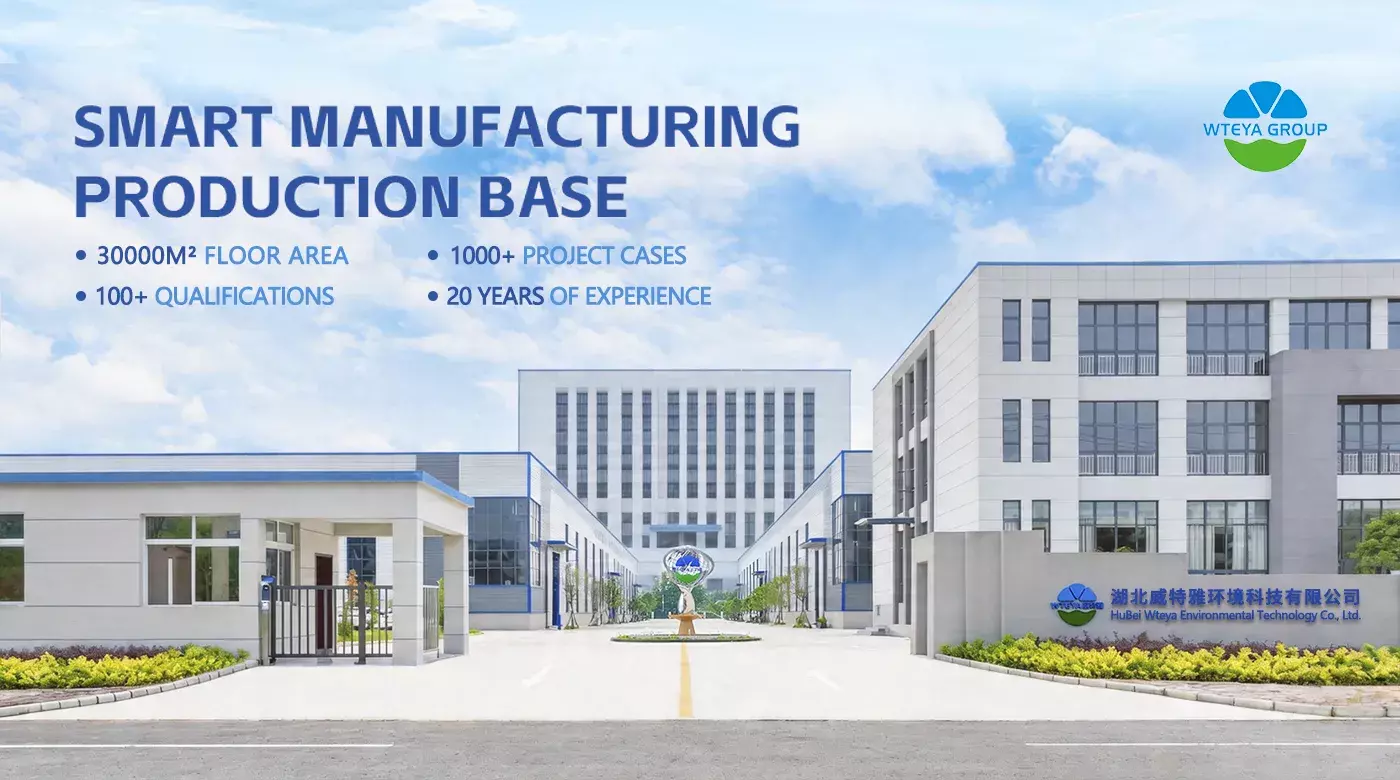
WTEYA is a professional evaporation equipment manufacturer with nearly 20 years of experience and more than 2000 customers. Every system is customized to your water quality, capacity and site conditions, with full OEM and ODM services available. Delivery milestones, such as design completion, material arrival and pre-shipment inspection, are written into the contract, and our project team reports progress at every stage so your schedule stays under control from day one.
🔗 Related FAQs
Can a Portable Seawater Desalination Machine Run on Solar Power?
How Long Does an MVR Evaporator Last?
How Much Does a Portable Seawater Desalination Machine Cost?
How Much Water Does a Zero Liquid Discharge System Recover?
How Much Power Does a Small Seawater Desalination Unit Need?
How Does a Seawater Desalination Plant Work?
How Much Energy Does a Seawater Desalination Plant Use?
Schedule a video call with our engineers to explore your options.
📲 WhatsApp: +86-1800 2840 855
📧 Email: info@wteya.com
🌐 Website: www.wteya.com