







Daily Capacity of a Seawater Desalination Plant: Sizing Calculation
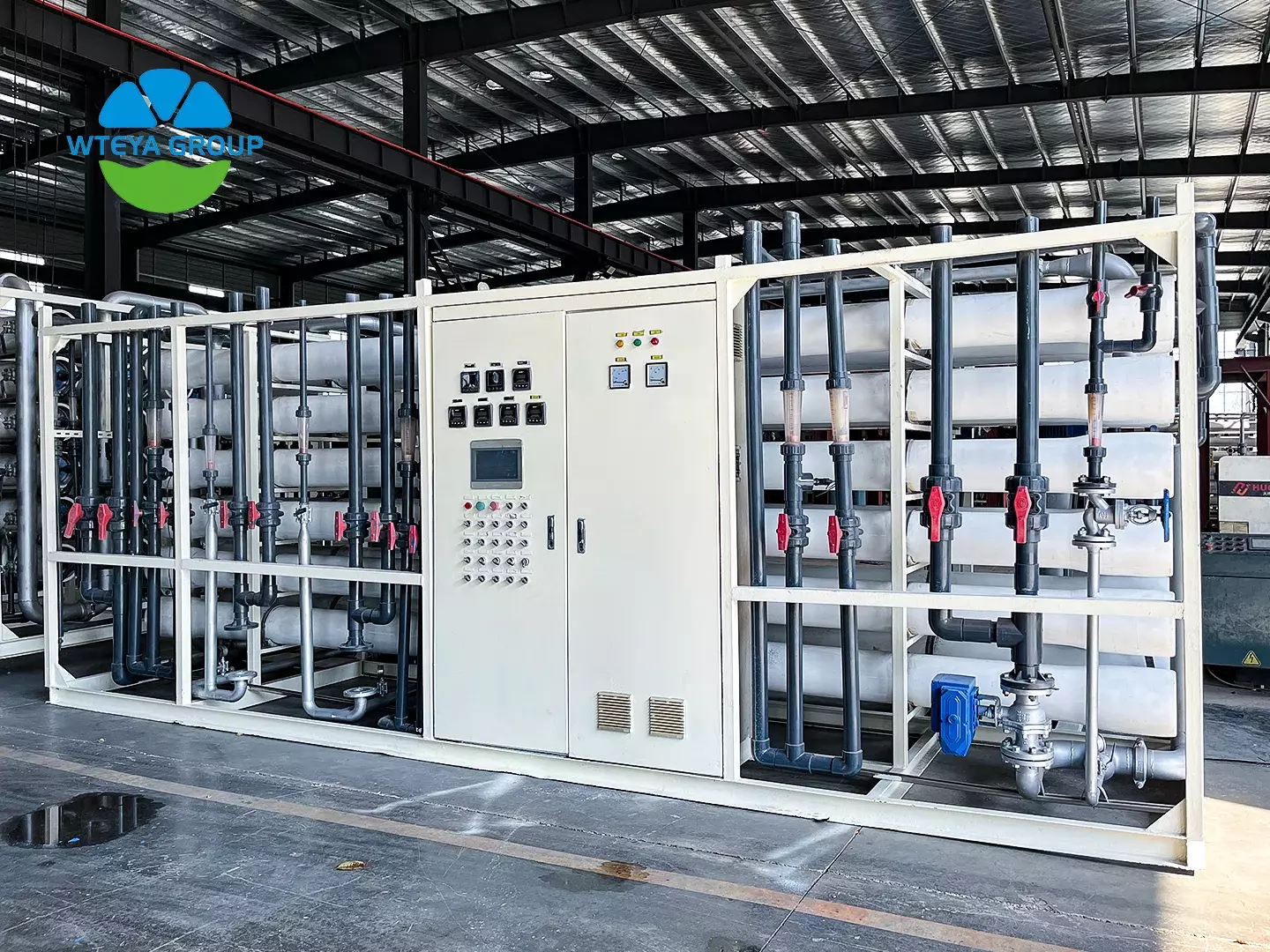
Daily capacity is the number of cubic metres a seawater desalination plant delivers in 24 hours. It is not a fixed number printed on a nameplate — it is hourly output multiplied by the hours the plant actually runs, minus the time lost to membrane cleaning and maintenance.
For standard plants rated on continuous duty, the calculation is simple: a 5 m³/h system produces about 120 m³ per day, and a 10 m³/h system produces about 240 m³ per day. Everything else is a matter of how many hours the plant is switched on and how the recovery rate is set.
📐 The Basic Formula
Daily capacity (m³/day) = hourly output (m³/h) × operating hours (h). The hourly output is the rated permeate flow of the RO train at the design feed temperature and salinity. It is the figure used in the quotation, in the membrane array design and in the pump selection.
Two standard configurations cover most coastal and island projects. A 5 m³/h plant running 24 hours delivers 120 m³/day, which suits hotels, small communities and construction camps. A 10 m³/h plant delivers 240 m³/day and is the usual choice for municipal or industrial users with a steady daily draw.
The formula only holds when the plant runs at design conditions. Feed temperature below the design point reduces permeate flow, high salinity raises the required pressure, and fouling gradually costs output until the next clean-in-place cycle.
⏱️ Output at Different Operating Hours
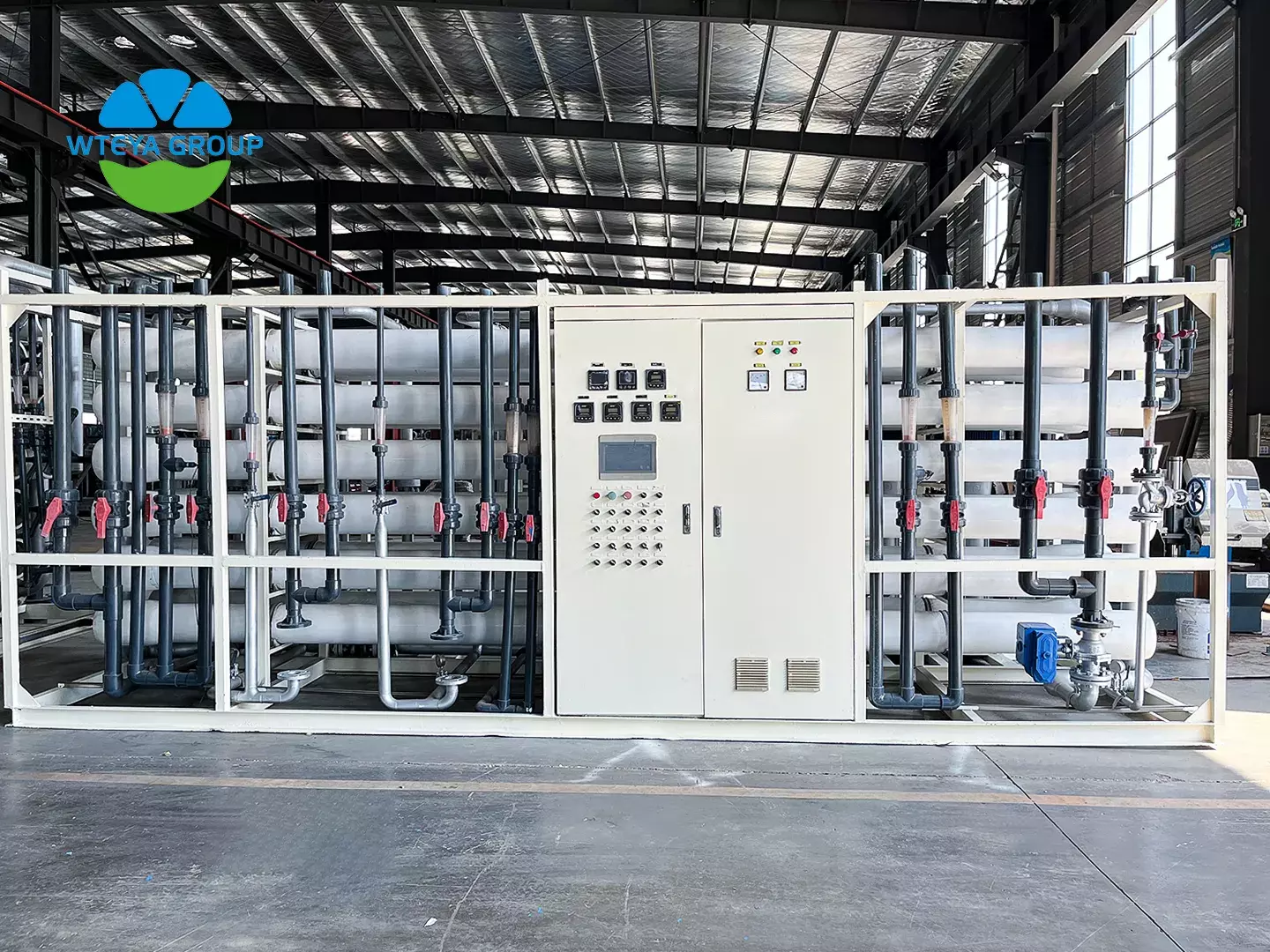
Few plants run a full 24 hours every day. Power tariffs, operator shifts, storage capacity and water demand all shorten the running window, and daily output falls in direct proportion.
| Operating hours | 5 m³/h plant | 10 m³/h plant |
|---|---|---|
| 24 hours | 120 m³/day | 240 m³/day |
| 20 hours | 100 m³/day | 200 m³/day |
| 16 hours | 80 m³/day | 160 m³/day |
Where a plant runs on an island grid or a diesel generator, it is often cheaper to run fewer hours at full load and store the water than to run continuously at part load. The storage tank, not the membrane area, absorbs the difference.
For annual planning, deduct maintenance downtime as well. Membrane cleaning, pump servicing and inspection typically leave 330 to 350 operating days per year, so annual output is daily capacity multiplied by that figure rather than by 365.
🔄 Reverse Sizing: From Daily Demand to Model
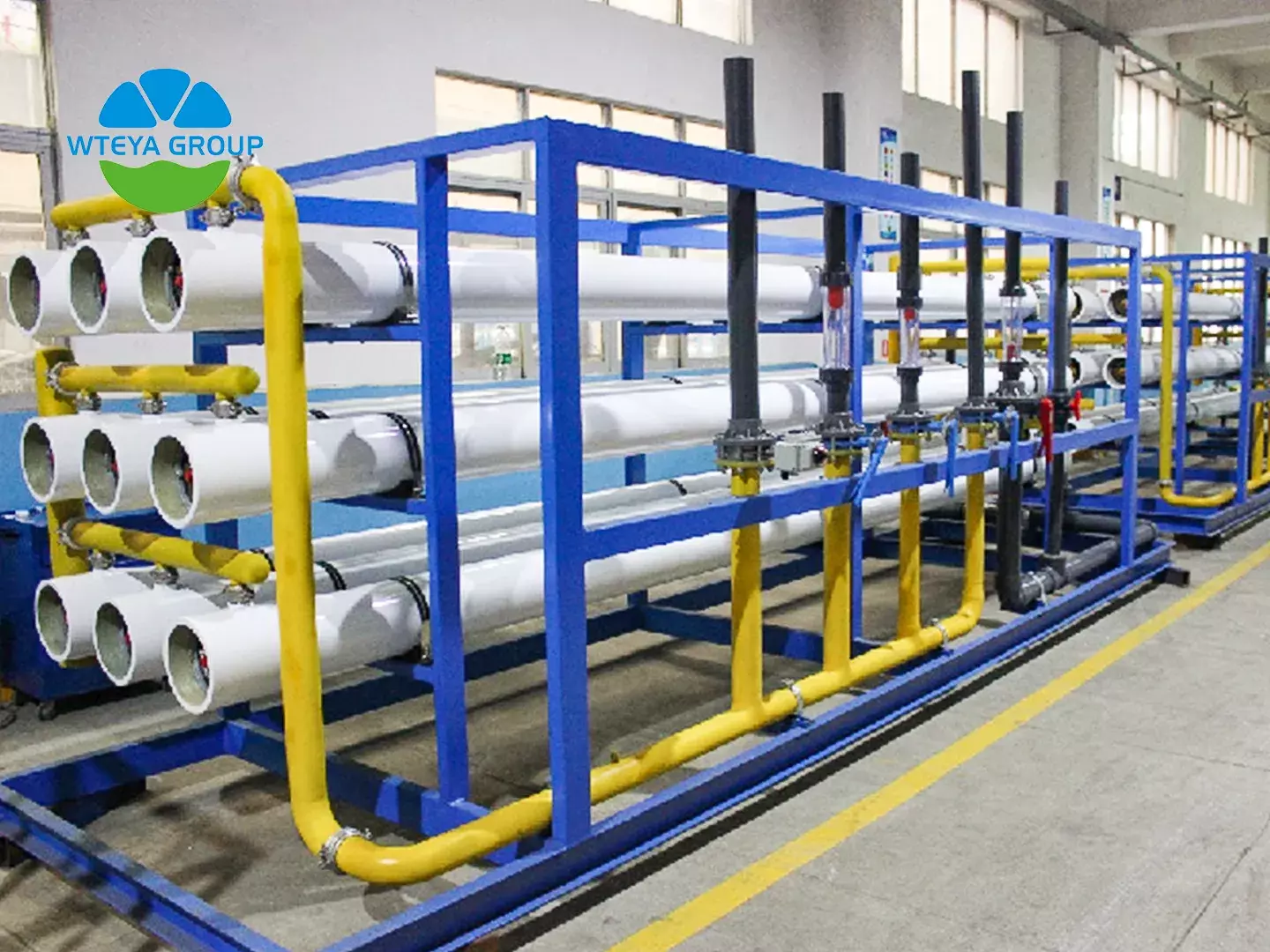
Most projects start from the demand side. If a site needs 100 m³ per day and the plant is planned to run 20 hours, the required hourly output is 100 ÷ 20 = 5 m³/h, which points to the 5 m³/h model.
If the same site needs 200 m³ per day over 20 hours, the requirement is 10 m³/h and the next size up is selected. Above 240 m³ per day, the usual approach is either parallel trains of standard units or a custom-built larger system, since a single train becomes difficult to clean and to turndown efficiently.
Add a margin at the end, not at the beginning. A 10% to 20% reserve on the calculated demand covers seasonal peaks, future expansion and membrane ageing without pushing the plant permanently into part-load operation.
🧩 Four Terms That Are Easy to Confuse
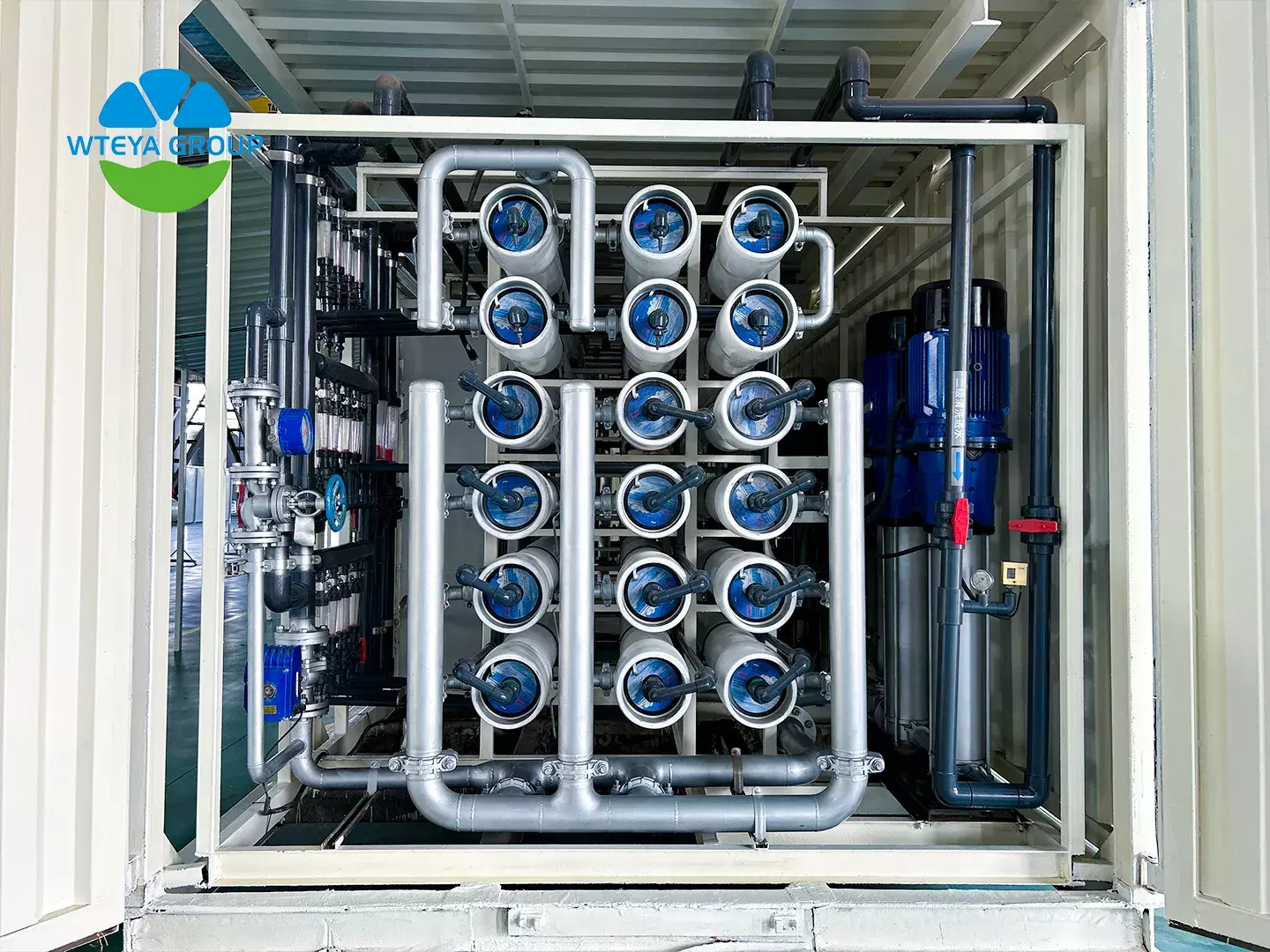
Hourly output is the rated permeate flow in m³/h and is the basis of daily capacity. Recovery rate is the share of feed water converted to product, typically 40% to 50% for seawater RO; it sets the intake and brine flows, not the product volume.
Feed volume is the total seawater taken in, equal to daily output divided by recovery. A 120 m³/day plant at 45% recovery draws roughly 267 m³/day of seawater. Operating hours are the real running hours, and they translate hourly output into daily output.
Confusing these four figures is the most common cause of undersized intake pumps, oversized brine lines and quotes that do not match the actual water balance.
✅ Key Points Before You Specify
Calculate on real operating hours, not on 24 hours by default. State the feed water source and salinity, because seawater, beach-well filtrate and brackish water behave very differently in the same membrane array. Confirm the product water target — below 500 mg/L TDS is a common municipal and hospitality requirement — and decide early whether storage will be one day or two.
Finally, match the number to the permit. Intake volume, brine discharge volume and recovery rate usually appear in the environmental approval, and they must agree with the capacity calculation in the technical proposal.
❓ Frequently Asked Questions
How is the daily capacity of a desalination plant calculated?
Multiply the rated hourly output by the number of hours the plant actually runs. A 5 m³/h plant at 24 hours gives 120 m³/day; the same plant at 20 hours gives 100 m³/day.
Does the recovery rate change the daily output?
No. Recovery changes how much seawater must be taken in and how much brine is discharged, not the volume of product water. A lower recovery means a larger intake and pretreatment train for the same output.
How much margin should be added when sizing?
Plan on 10% to 20% above the calculated demand, and account separately for membrane ageing and for the days lost each year to cleaning and servicing.
Schedule a video call with our engineers to explore your options.
📲 WhatsApp: +86-1800 2840 855
📧 Email: info@wteya.com
🌐 Website: www.wteya.com

Previous: Desalinated Water Quality: TDS, WHO Standards and Post-Treatment
Next: No More