






Mine Water ZLD: Evaporation and Crystallization Design
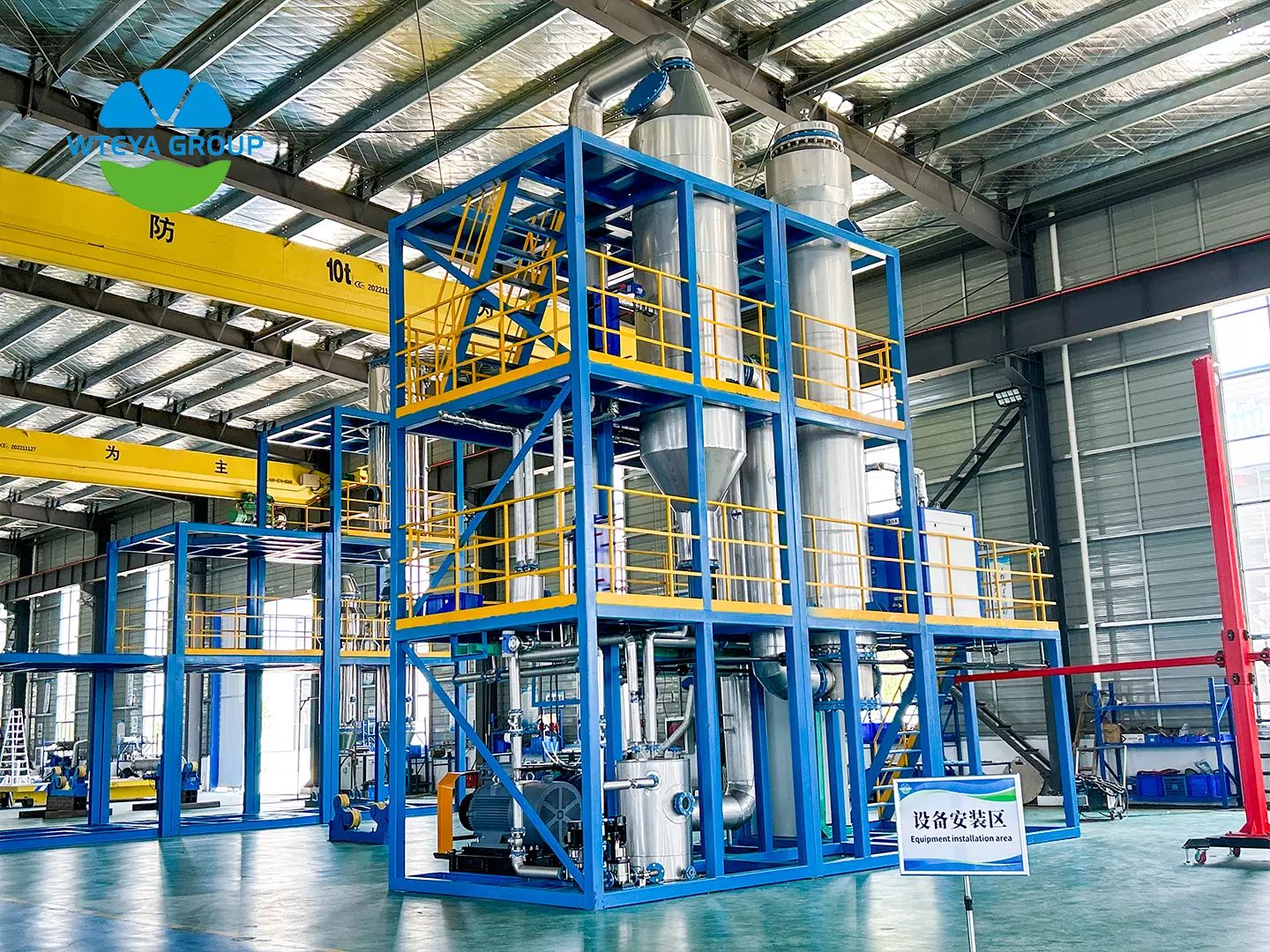
Water is the largest waste stream at most metal and coal operations, and it is also the stream regulators watch most closely. Zero liquid discharge turns that liability into a closed loop: water is recovered for reuse, and dissolved salts leave the site as a dry solid.
Designing a mine water ZLD system is not a matter of bolting an evaporator onto an existing plant. Flow varies with rainfall and season, salinity swings from brackish to hypersaline, and hardness and metals attack every heat transfer surface. This article explains how the train is assembled, where the energy goes, and how the evaporation and crystallization equipment is selected.
🌍 Why Mine Water Needs Zero Liquid Discharge
Many mines operate in arid regions where no receiving water body can accept a discharge, or where the permit caps salinity far below what conventional treatment can achieve. In those cases ZLD is the only route to a permit, and the recovered water becomes an operating asset instead of a cost centre.
A well-designed train recovers 90–95% of the incoming water as distillate or permeate that returns to ore processing, dust suppression or washing. The remaining fraction leaves as moisture in the dewatered salt cake, which is landfilled or sold depending on purity.
🧪 What Makes Mine Water Hard to Treat
Mine water is not one stable stream. Total dissolved solids commonly sit between 1,000 and 10,000 mg/L in coal and base-metal workings, while tailings supernatant and some gold or copper operations exceed 30,000 mg/L. Sulfate and chloride usually dominate the anion balance, with calcium, magnesium and sodium on the cation side.
Hardness of 200–2,000 mg/L as CaCO3, dissolved silica, iron, manganese and occasional heavy metals all push the design toward softening and filtration before any concentration step. Flow variability is the second driver: snowmelt and wet-season events can multiply inflow within days, so equalization volume and modular capacity matter as much as peak treatment rate.
⚙️ The Four-Stage Treatment Train
1. Equalization and pretreatment. A lined basin sized for 12–24 hours of average flow absorbs storm events and lets chemistry stabilise. pH adjustment, coagulation and clarification remove suspended solids, followed by multimedia filtration and ultrafiltration to protect downstream membranes.
2. Softening. Cold lime or lime-soda softening drops hardness below 50 mg/L as CaCO3 and co-precipitates silica and metals. This step decides whether the evaporator runs for months or fouls within weeks.
3. Membrane concentration. Reverse osmosis — brackish stage first, then seawater or DTRO stages — lifts brine concentration to 60,000–80,000 mg/L at 60–75% recovery. Every cubic metre removed here is a cubic metre the evaporator never has to boil.
4. Evaporation and crystallization. Brine is concentrated to saturation, crystallized, and dewatered by centrifuge or filter press to a cake with 3–5% moisture. The condensate returns at conductivity below 10 µS/cm and can be reused directly.
🔧 Choosing the Evaporator
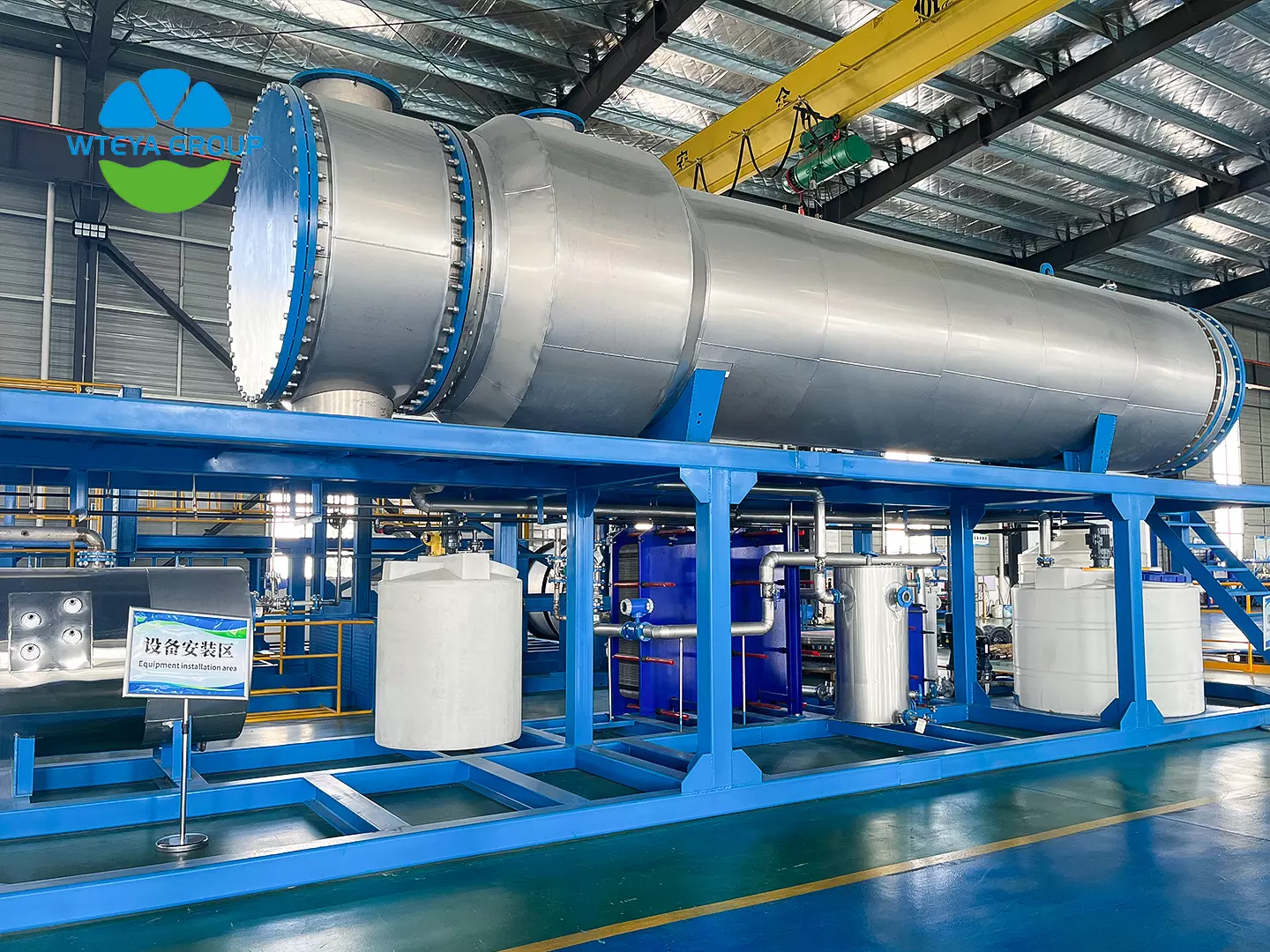
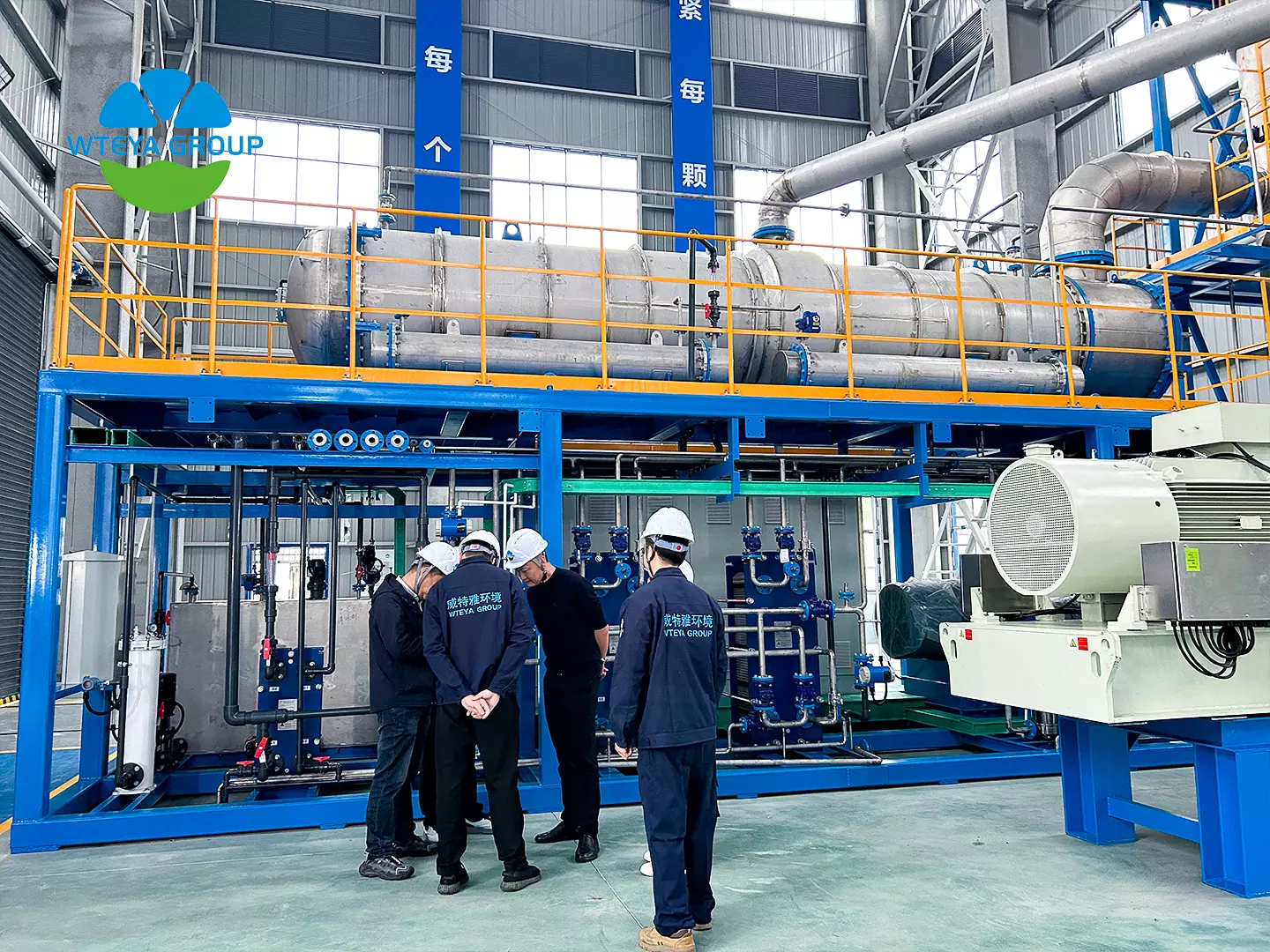
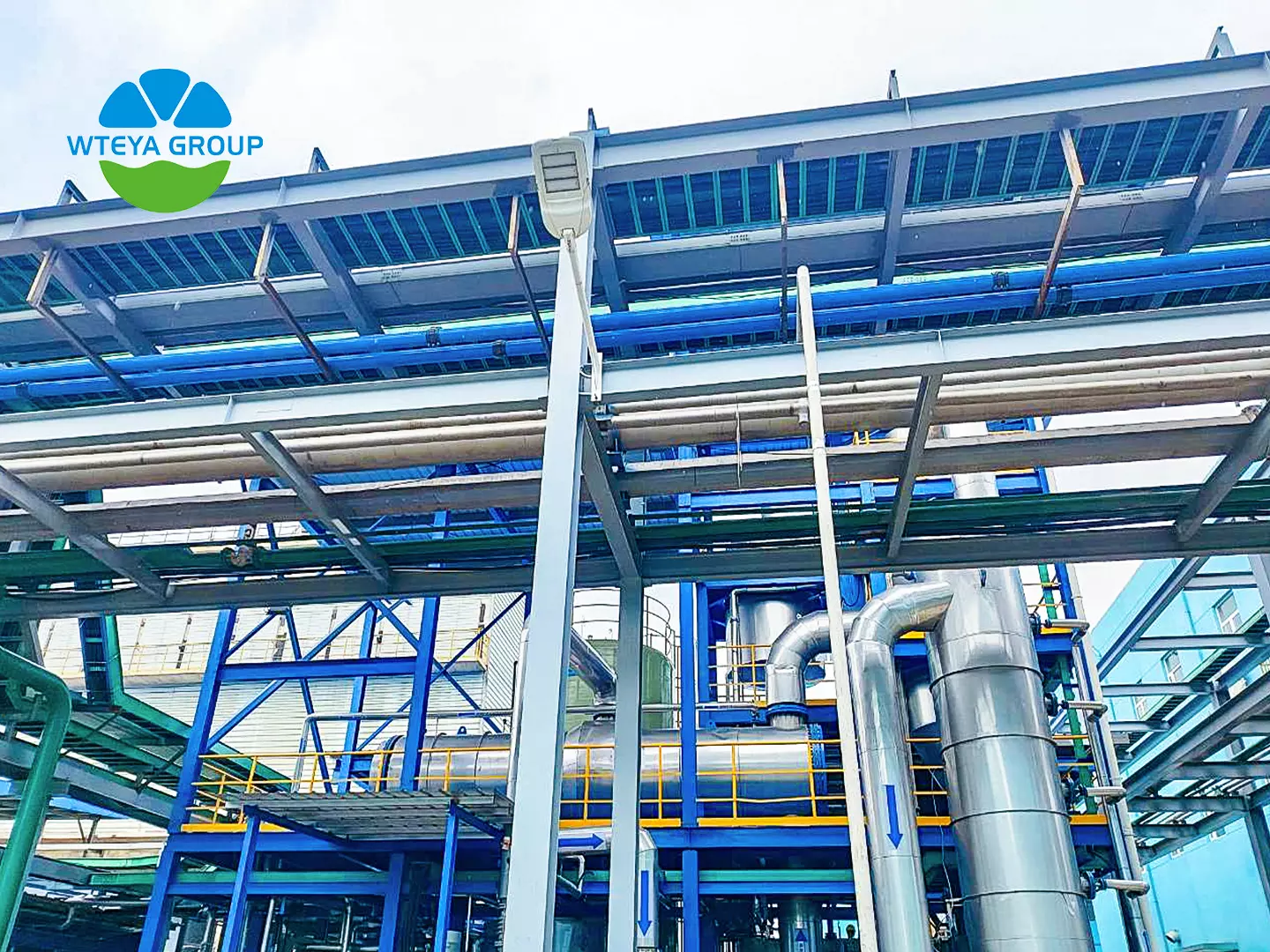
Most mine water ZLD projects choose between mechanical vapour recompression (MVR), multi-effect evaporation and a forced circulation crystallizer — frequently a combination of all three.
MVR consumes 25–45 kWh per tonne of evaporated water and needs no steam boiler, which suits remote sites with reliable power. Multi-effect units need 0.3–0.4 tonnes of steam per tonne of water across three to four effects and make sense where waste heat already exists. Forced circulation is the default for scaling brines because high liquor velocity keeps crystals in suspension; falling film is reserved for clean, low-hardness streams.
Material selection follows chloride level: 316L for low-chloride service, 2205 or 2507 duplex for moderate chloride, and titanium or titanium-clad tube sheets once chloride passes 50,000 mg/L at elevated temperature.
📊 Energy and Cost Benchmarks
A complete mine water ZLD train typically draws 15–40 kWh per cubic metre of feed, against 2–4 kWh/m3 for reverse osmosis alone. The evaporator accounts for most of that difference, so membrane pre-concentration is the single biggest lever on operating cost.
Chemicals — lime, soda ash, antiscalant and cleaning agents — add roughly 0.3–1.0 USD per cubic metre. Against that, recovered water displaces purchased or trucked supply, and where sodium sulfate or sodium chloride can be separated and sold above 97% purity, salt revenue offsets part of the disposal cost.
🏆 Why Choose WTEYA
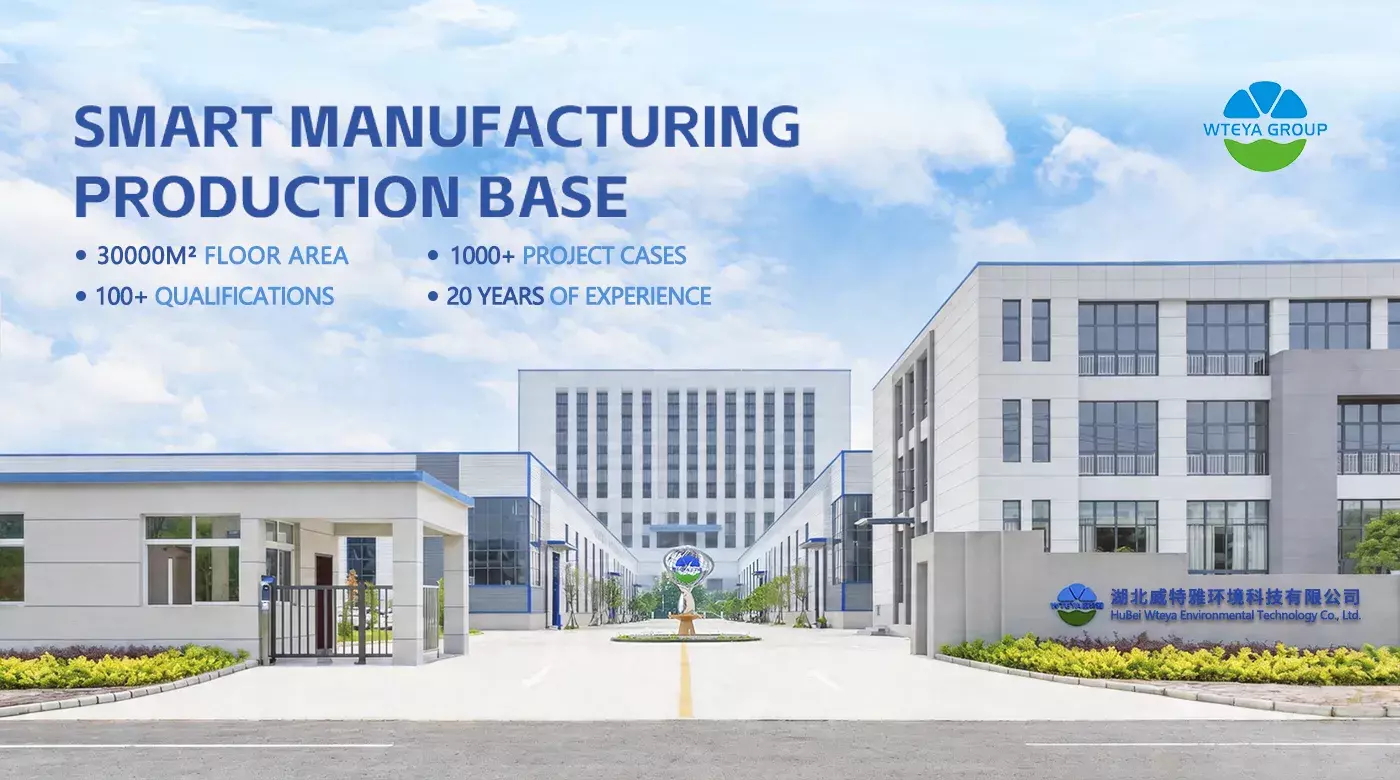
WTEYA has manufactured evaporation and crystallization equipment since 2009, from a 30,000 m2 production base in Jingshan, Hubei, with more than 500 employees and 42 branches across China. More than 2,000 customers in 30 provinces operate our MVR, multi-effect and crystallizer systems.
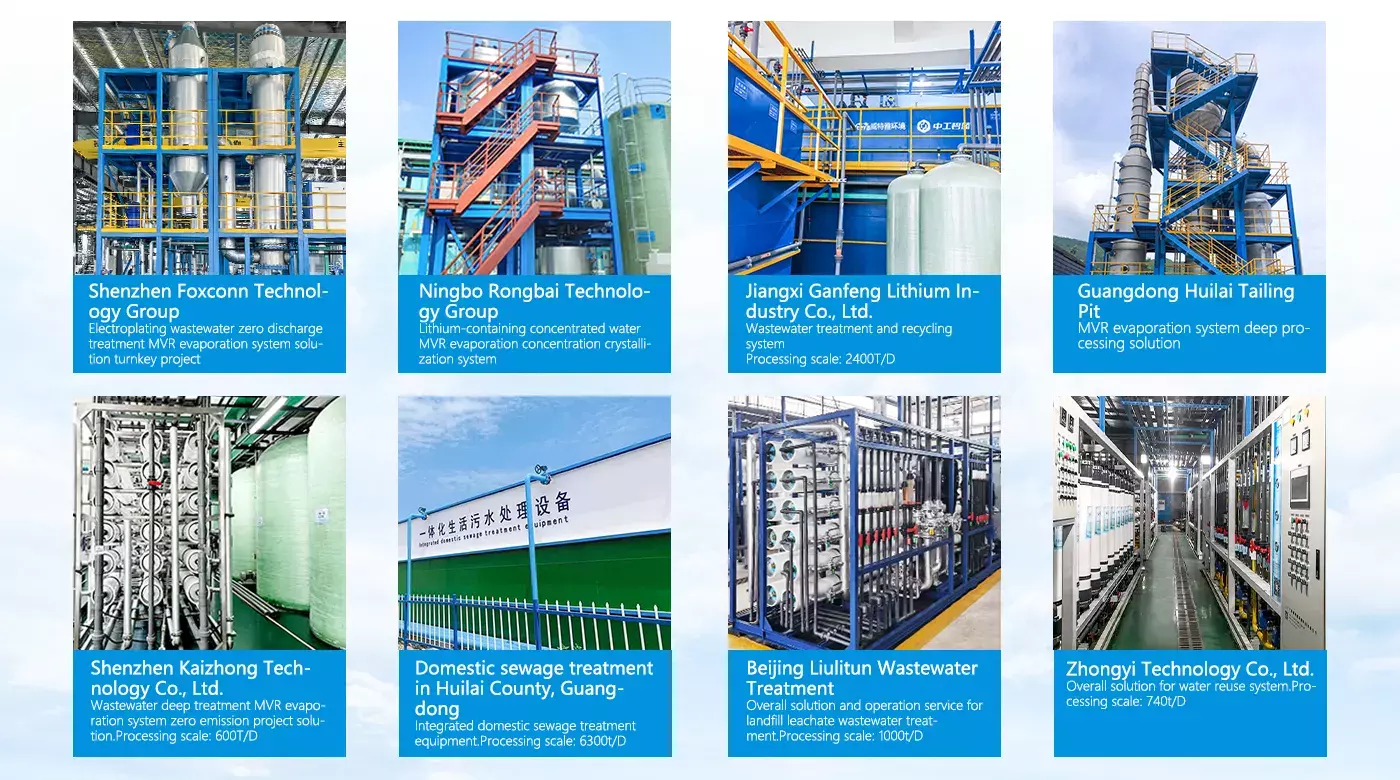
For mine water we deliver the full train — pretreatment, membrane concentration, evaporation, crystallization and salt handling — engineered around the actual water analysis and site conditions, with OEM and ODM services available for partners. Standard configurations ship in 30–60 days; integrated ZLD plants follow a project schedule.
Send us your water analysis — TDS, hardness, silica, metals and flow profile — and our engineers will return a preliminary process design and equipment selection.
❓ Frequently Asked Questions
What TDS can a mine water ZLD system handle?
Designs routinely treat feed from 1,000 mg/L to more than 30,000 mg/L. Above roughly 60,000–80,000 mg/L membranes stop being economical and the brine goes straight to evaporation.
How much energy does mine water ZLD consume?
Expect 15–40 kWh per cubic metre of feed for the complete train. Pre-concentrating with RO ahead of the evaporator is the most effective way to stay at the low end.
Can the system cope with seasonal flow swings and cold climate?
Yes. Equalization for 12–24 hours plus modular evaporation trains absorb peaks; for winter duty we specify insulated vessels, heat tracing and indoor or containerized skids.
WTEYA is a professional evaporation equipment manufacturer with nearly 20 years of experience, offering customized ZLD solutions and full OEM & ODM services.
Schedule a video call with our engineers to explore your options.
📲 WhatsApp: +86-1800 2840 855
📧 Email: info@wteya.com
🌐 Website: www.wteya.com
Previous: PCB Wastewater Treatment: How to Choose the Right Process for High-COD Organic Wastewater
Next: No More