






How Can Wastewater Treatment Reduce the Environmental Impact of Battery Manufacturing?
With the rapid growth of electric vehicles and consumer electronics, the battery manufacturing industry has become increasingly important. However, this sector also brings significant environmental challenges—especially wastewater generated during production.
Battery manufacturing wastewater often contains hazardous chemicals, heavy metals, and other pollutants. If discharged without proper treatment, it can severely contaminate ecosystems and water resources.
To address this issue, the industry is gradually adopting advanced wastewater treatment technologies. This article explores the importance of wastewater treatment in reducing the environmental footprint of battery manufacturing and introduces efficient, eco-friendly solutions provided by WTEYA.
Environmental Impact of Battery Manufacturing Wastewater 💧
Battery production involves multiple chemical processes, including metal extraction, chemical treatment, and assembly. Each stage generates wastewater containing harmful substances such as:
• Heavy metals: lithium, nickel, cobalt, and lead, which are toxic to aquatic life and human health
• Acidic or alkaline substances: affecting water pH and disrupting ecosystems
• Organic chemicals: difficult to degrade and capable of causing long-term pollution
Without proper treatment, these pollutants can enter rivers, lakes, and groundwater systems, threatening water safety and ecological balance. Therefore, effective wastewater treatment is essential for compliance and environmental protection.
The Role of Wastewater Treatment in Reducing Environmental Footprint 🌱
Wastewater treatment plays a critical role in improving sustainability within battery manufacturing. By adopting advanced technologies, manufacturers can reduce energy consumption, improve resource efficiency, and minimize reliance on freshwater.
Key benefits include:
• Preventing water pollution by removing harmful substances
• Reducing energy consumption through optimized processes
• Ensuring compliance with environmental regulations
• Enabling water recycling to conserve natural resources
WTEYA’s Innovative Wastewater Treatment Solutions 🔧
WTEYA offers a range of advanced wastewater treatment technologies tailored to the challenges of the battery manufacturing industry. These solutions help improve efficiency while reducing operational costs.
1. MVR Evaporator (Mechanical Vapor Recompression) 💡
The MVR evaporator compresses secondary steam to increase its temperature and reuse it, reducing the need for fresh steam. This makes it highly energy-efficient, especially for low evaporation wastewater.
Advantages:
• Significant energy savings through steam reuse
• Ideal for low-volume wastewater treatment
• Compact system design suitable for various plant sizes
2. Multi-Effect Evaporator (MEE) 🌿
MEE technology utilizes multiple evaporation stages, where each stage reuses steam from the previous one, improving overall heat efficiency.
Advantages:
• High thermal efficiency with reduced steam consumption
• Suitable for large-scale wastewater treatment
• Stable and reliable for continuous operation
3. Forced Circulation Crystallizer 💎
Designed for high-salinity wastewater, this system circulates liquid continuously to prevent scaling and ensure efficient crystallization.
Advantages:
• Excellent anti-scaling performance
• Suitable for high-viscosity and high-salt wastewater
• Controlled crystal formation for resource recovery
4. Rising & Falling Film Evaporator 🔥
This system combines the advantages of both rising and falling film evaporation, enabling efficient removal of contaminants, especially in heat-sensitive materials.
Advantages:
• High heat transfer efficiency
• Prevents material degradation due to short residence time
• Easy operation and maintenance
The Future of Wastewater Treatment in Battery Manufacturing 🌎
As demand for electric vehicles and renewable energy storage continues to grow, wastewater challenges will intensify. To maintain productivity while minimizing environmental impact, manufacturers must adopt smarter and more sustainable solutions.
WTEYA is committed to delivering innovative and eco-friendly wastewater treatment technologies that help manufacturers meet environmental standards while improving operational efficiency.
Looking Ahead: Sustainable Manufacturing Practices 🔮
The future of battery manufacturing depends on green technologies, including advanced wastewater treatment systems. By adopting WTEYA solutions, companies can:
• Reduce energy and water consumption
• Minimize waste and pollutant discharge
• Contribute to a circular economy
Integrating renewable energy sources such as solar and wind power can further reduce the carbon footprint of wastewater treatment systems.
Conclusion: Toward a Greener Future for Battery Manufacturing ✅
Wastewater from battery manufacturing presents a serious environmental challenge. However, by implementing advanced technologies such as MVR evaporators, MEE systems, and crystallization solutions, manufacturers can significantly reduce their environmental impact.
WTEYA provides energy-efficient and environmentally friendly wastewater treatment solutions that support sustainable production. As global demand for green manufacturing grows, wastewater treatment will become an essential part of the battery industry.
Why Partner with WTEYA?
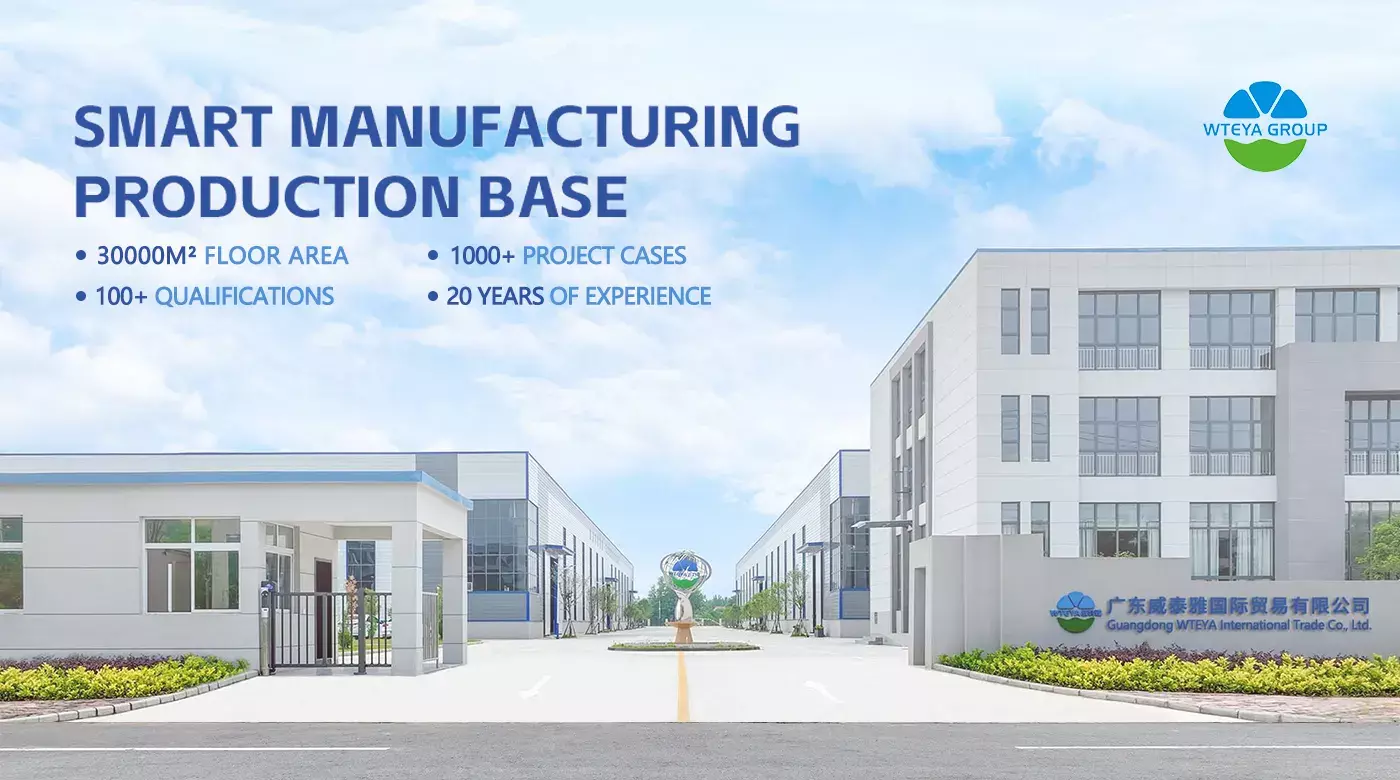
• Nearly 20 years of industry experience
• Trusted by global leaders including Foxconn, Huawei, Ganfeng Lithium, Ronbay Technology
• 100+ success cases worldwide
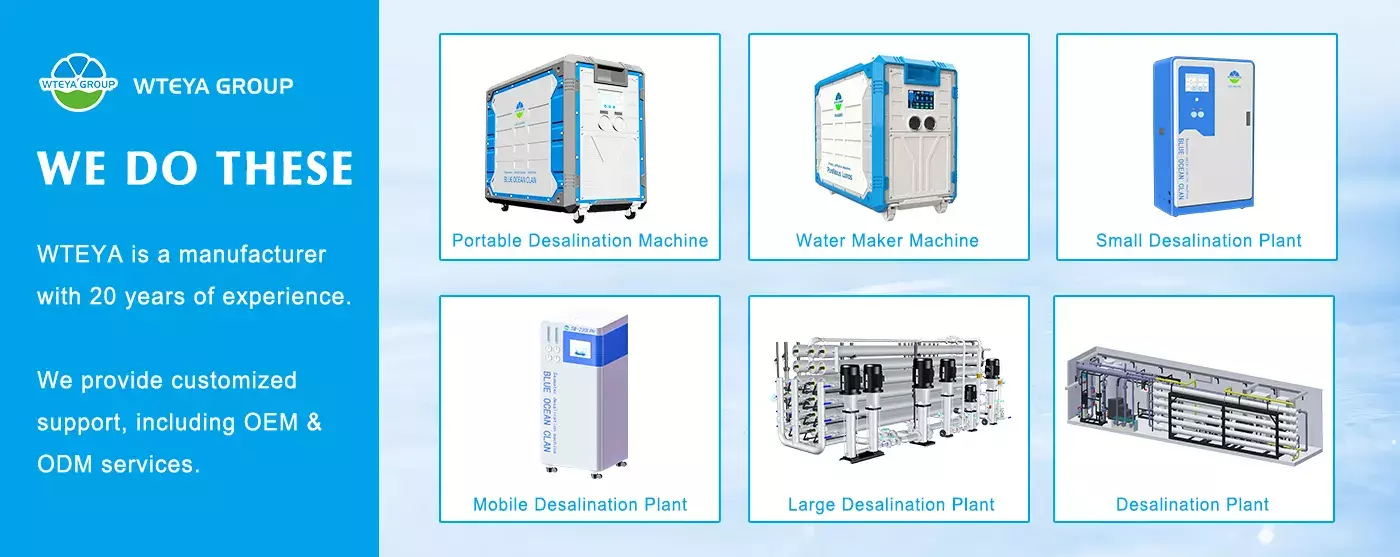
• OEM & ODM customization available
Become a WTEYA Distributor!
We are expanding global partnerships:
• Preferential policies
• Professional training
• Full technical support
Let us help you achieve exceptional water quality and operational sustainability!
📲 WhatsApp: +86-1800 2840 855
📧 Email: info@wteya.com
🌐 Website: www.wteya.com