






How to Solve Excess Copper After PCB Wastewater Treatment?
During PCB manufacturing, processes such as etching, electroplating, and chemical copper plating generate large amounts of copper-containing wastewater. Among them, complex copper wastewater is the most difficult to treat because copper ions are strongly bonded with chemicals such as EDTA, ammonia, and organic additives. Many PCB manufacturers face a common problem: the treated wastewater still contains excessive copper and cannot achieve stable discharge standards.
In most cases, the issue is not caused by one single treatment unit, but by problems throughout the entire treatment system, including wastewater collection, complex breaking efficiency, solid-liquid separation, and concentrate disposal.
This article explains the main reasons behind excessive copper levels and introduces an effective PCB wastewater treatment solution.
Why Does Copper Exceed the Standard After PCB Wastewater Treatment?
1. Complex Copper Is Difficult to Remove
Copper in PCB wastewater mainly exists in two forms:
Free Copper Ions
Free Cu²⁺ can be easily removed through chemical precipitation. By adjusting the pH value, copper ions react with hydroxide ions and form copper hydroxide precipitation.
Complex Copper
Complex copper is much more challenging.
During PCB production, copper ions can combine with chemicals such as:
- EDTA
- Ammonia
- Citric acid
- Tartaric acid
These compounds create stable copper complexes, preventing copper ions from being directly removed by conventional precipitation methods. For example, Cu-EDTA has extremely high stability, making traditional alkaline precipitation ineffective without proper complex-breaking treatment.
2. Mixed Wastewater Collection Increases Treatment Difficulty
Different PCB production processes generate different types of wastewater.
For example:
- Chemical copper plating wastewater contains strong complexing agents.
- Etching wastewater contains high copper concentrations.
- Cleaning wastewater contains various organic additives.
If all wastewater streams are mixed together before treatment, complexing substances may interfere with the removal process.
This can lead to:
- Higher chemical consumption
- Lower copper removal efficiency
- Unstable treated water quality
Therefore, wastewater separation at the source is an important first step.
Common PCB Copper Wastewater Treatment Methods and Their Limitations
1. Chemical Precipitation
Chemical precipitation is widely used for copper removal.
The process converts copper ions into copper hydroxide through pH adjustment.
However, this method works mainly for free copper ions.
For complex copper wastewater, copper remains bonded with organic compounds, resulting in poor removal performance.
2. Sulfide Precipitation
Sulfide treatment can effectively remove copper by forming insoluble copper sulfide (CuS).
Advantages:
- High copper removal efficiency
- Suitable for copper-ammonia wastewater
However, excessive sulfide dosage may cause:
- Residual sulfide in treated water
- Hydrogen sulfide odor
- Secondary pollution risks
Proper control is required during operation.
3. Membrane Separation
Reverse osmosis (RO) systems can separate dissolved copper and produce reusable water.
However, RO mainly transfers pollutants into concentrated wastewater.
Without further treatment of RO concentrate, copper pollutants are not completely removed from the system.
Key Factors Affecting Copper Removal Efficiency
1. Insufficient Complex Breaking
Complex breaking is the most important step in PCB copper wastewater treatment.
If the reaction conditions are not properly controlled, such as:
- Incorrect pH
- Insufficient oxidant dosage
- Short reaction time
Copper complexes may not be completely destroyed, resulting in excessive copper in the final discharge.
2. Poor Solid-Liquid Separation
After copper precipitation, effective separation is necessary.
Problems such as:
- Poor floc formation
- Excessive sludge accumulation
- Improper sedimentation conditions
may cause copper-containing particles to remain in treated water.
3. Incomplete Concentrate Disposal
Wastewater treatment should not only remove copper from water but also provide a complete disposal solution. Without proper treatment of sludge and RO concentrate, pollutants are only transferred rather than eliminated.
WTEYA Complete Solution for PCB Copper Wastewater Treatment
To achieve stable copper removal, WTEYA provides an integrated treatment process:
Wastewater Separation → Complex Breaking → Chemical Precipitation → RO Water Reuse → MVR Evaporation Crystallization
This complete process can achieve:
- Copper removal efficiency above 99.9%
- Water reuse rate over 75%
- Near-zero liquid discharge
Step 1: Wastewater Separation
Different wastewater streams should be collected separately according to their characteristics.
By separating:
- Complex copper wastewater
- General copper wastewater
- Etching wastewater
- Other industrial wastewater
the treatment system can operate more efficiently with lower chemical consumption.
Step 2: Efficient Complex Breaking
The purpose of complex breaking is to release copper ions from stable chemical compounds.
Common technologies include:
Sulfide Method
Sulfide reacts with copper ions to form copper sulfide precipitation.
It is especially effective for ammonia-based copper wastewater.
Fenton Oxidation
Fenton oxidation uses Fe²⁺ and H₂O₂ to generate hydroxyl radicals, which can destroy organic complexes such as EDTA.
This method helps release copper ions for further precipitation.
Iron Micro-Electrolysis
Iron-based micro-electrolysis technology can break copper complexes while improving coagulation performance.
It provides:
- Lower operating costs
- Strong adaptability
- Stable copper removal performance
Step 3: Chemical Precipitation
After complex breaking, copper ions can be removed through chemical precipitation.
By adjusting the pH value, copper hydroxide precipitation is generated.
With the assistance of:
- PAC coagulant
- PAM flocculant
copper-containing solids can be effectively separated.
The treated water can achieve significantly reduced copper concentration and meet discharge requirements.
Step 4: RO Membrane Treatment and Water Reuse
After precipitation, wastewater enters advanced filtration and RO systems.
RO technology provides:
- High removal efficiency
- Stable water quality
- Reduced freshwater consumption
The recycled water can be reused in PCB production processes, including:
- Cleaning
- Washing
- Process water supply
Step 5: MVR Evaporation Crystallization
RO concentrate is further treated through MVR evaporation crystallization technology.
MVR concentrates the wastewater and separates valuable copper-containing salts.
Benefits include:
- Reduced wastewater discharge
- Resource recovery
- Lower environmental impact
This process helps PCB manufacturers move toward zero liquid discharge (ZLD).
Why Choose WTEYA for PCB Wastewater Treatment?
WTEYA specializes in industrial wastewater treatment solutions, focusing on PCB copper wastewater treatment and resource recovery.
The company provides complete services including:
- Wastewater analysis
- Process design
- Equipment manufacturing
- Installation
- Commissioning
- Long-term operation support
With extensive engineering experience in PCB wastewater treatment projects, WTEYA helps manufacturers achieve stable compliance, improve water reuse efficiency, and reduce environmental pressure.
Conclusion:
Excess copper after PCB wastewater treatment is usually caused by incomplete complex breaking, poor separation efficiency, or insufficient concentrate treatment. A successful copper wastewater treatment system requires a complete process chain, including source separation, efficient complex breaking, chemical precipitation, membrane purification, and final concentrate treatment. Through integrated technologies, PCB manufacturers can achieve stable copper removal, wastewater reuse, and sustainable production. For companies facing copper discharge challenges, WTEYA provides customized PCB wastewater treatment solutions to help achieve reliable and compliant wastewater management.
Why Partner with WTEYA?
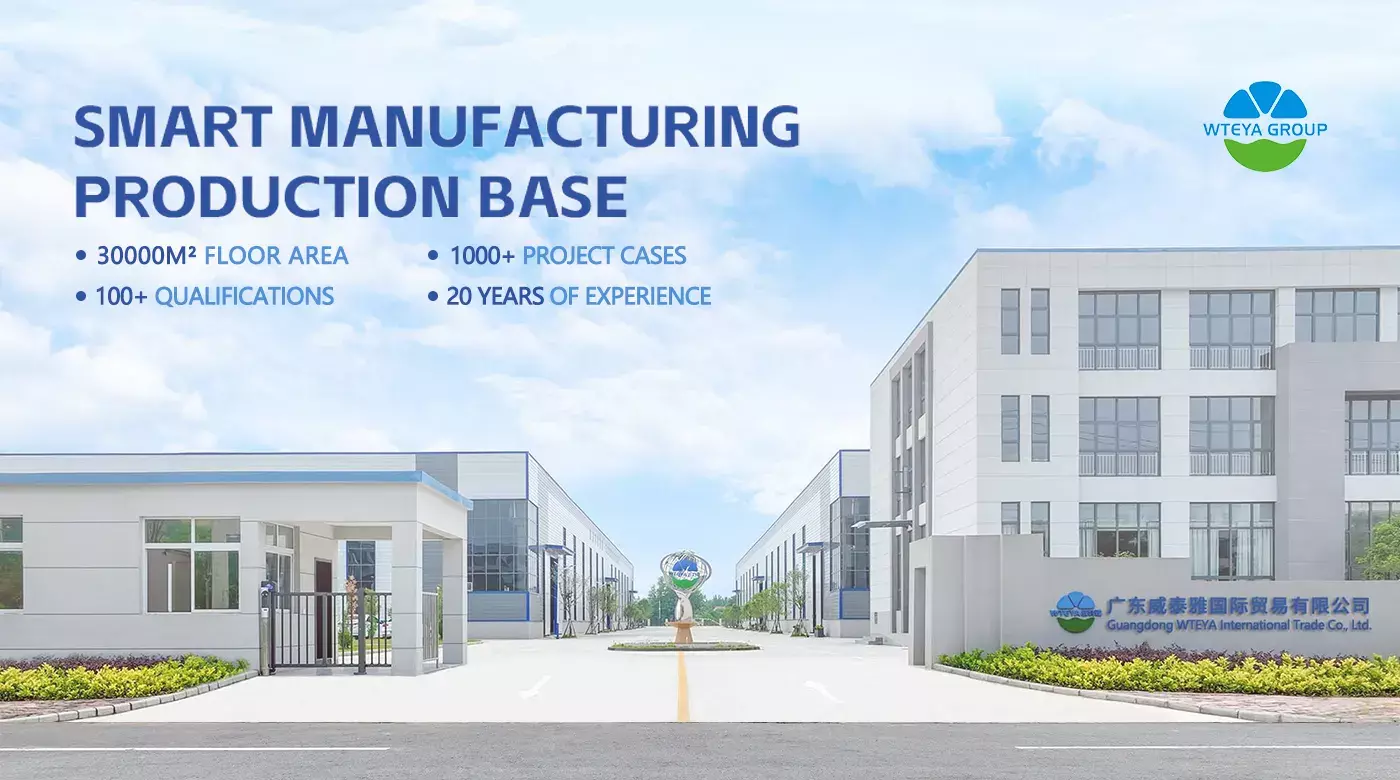
• Nearly 20 years of industry experience
• Trusted by global leaders including Foxconn, Huawei, Ganfeng Lithium, Ronbay Technology
• 100+ success cases worldwide
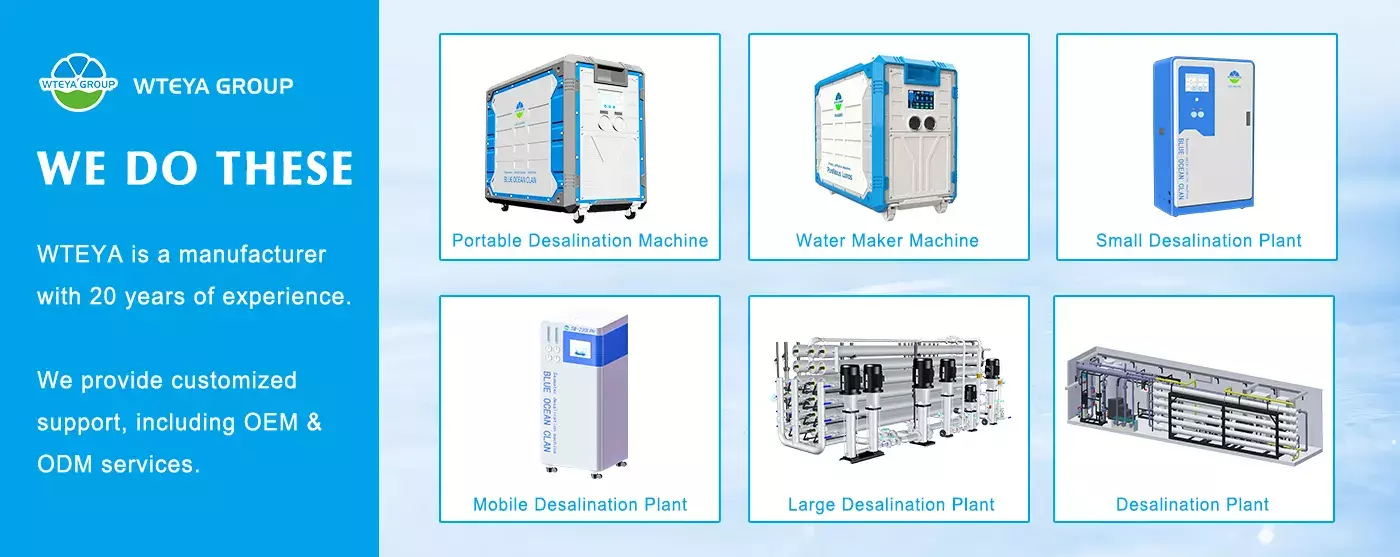
• OEM & ODM customization available
Become a WTEYA Distributor!
We are expanding global partnerships:
• Preferential policies
• Professional training
• Full technical support
Let us help you achieve exceptional water quality and operational sustainability!
📲 WhatsApp: +86-1800 2840 855
📧 Email: info@wteya.com
🌐 Website: www.wteya.com