






Municipal Wastewater Treatment Plants: Efficient, Intelligent Solutions and Engineering Practices
With the rapid pace of urbanization and the development of industrial enterprises and rural communities, the volume of domestic wastewater discharged has been increasing year by year. This places higher demands on environmental protection and water resource management. Municipal wastewater treatment not only ensures urban drainage safety and protects the ecological environment but also directly affects residents’ quality of life and public health. In response to these needs, modern wastewater treatment technologies have continuously evolved, pursuing efficient, energy-saving, and intelligent solutions.
WTEYA, as a professional supplier of wastewater treatment equipment, offers advanced municipal wastewater treatment plant solutions. By integrating automation control, modular design, and energy efficiency optimization, WTEYA meets the wastewater treatment needs of different scales and water quality conditions.
Scope and Objectives of Municipal Wastewater Treatment Plants
Municipal wastewater treatment plants primarily handle domestic sewage from residential communities, industrial enterprises, and rural settlements. The primary objectives are to remove pollutants, ensure that the treated effluent meets environmental discharge standards, minimize environmental impact, and promote sustainable water resource management.
These facilities typically include pre-treatment, biological degradation, sedimentation and filtration, and disinfection processes, each of which plays a crucial role in the overall treatment workflow.
In the pre-treatment stage, wastewater first passes through screens or grates to remove large particles, such as plastics, wood chips, and sand, before entering grit chambers for sedimentation. Pre-treatment protects downstream biological treatment systems and membrane components, preventing clogging, equipment failures, and ensuring overall system reliability and longevity.
Biological Degradation: The Core Process
Biological degradation is the heart of municipal wastewater treatment, usually employing activated sludge systems or Membrane Bioreactor (MBR) technology. Microorganisms in the bioreactor convert organic pollutants in the wastewater into carbon dioxide, water, and microbial biomass, thereby reducing COD (Chemical Oxygen Demand) and BOD (Biochemical Oxygen Demand) levels.
MBR technology combines membrane separation and biological degradation, effectively removing suspended solids while ensuring stable and clear effluent. The efficiency of this process is directly linked to overall water quality, making it the core metric for system performance and operational effectiveness.
Sedimentation, Filtration, and Disinfection
After biological treatment, the water undergoes secondary sedimentation, sand filtration, or fine filtration, further removing suspended particles, colloids, and some heavy metals. This ensures clear and transparent effluent, providing a stable foundation for disinfection.
Disinfection typically employs UV, ozone, or chlorination methods to eliminate bacteria, viruses, and pathogenic microorganisms. Treated water can then be safely discharged into the environment or reused for non-potable applications.
Technological Advantages of WTEYA Wastewater Treatment Plants
WTEYA’s municipal wastewater treatment plants offer several technological advantages:
-
PLC Intelligent Control: Full-process automation and remote monitoring allow operators to track flow, water quality, and equipment status in real-time, optimizing parameters to maintain stable effluent quality and reduce manual operation.
-
Modular Design: Independent and flexible process modules simplify maintenance, troubleshooting, and phased expansion, accommodating different treatment scales.
-
Energy Efficiency and Environmental Benefits: High-efficiency aeration devices and intelligent circulation pumps adjust automatically based on water volume and load, reducing energy consumption. Biological degradation and membrane processes minimize excess sludge production, lowering disposal costs.
-
Durable Materials: Corrosion-resistant components ensure long service life, further reducing long-term operational costs.
Applications Across Different Scenarios
Municipal wastewater treatment plants can be applied in residential communities, industrial facilities, rural settlements, schools, hospitals, and commercial complexes:
-
Residential Communities: Typical daily treatment capacities range from 50 to 500 m³, with compact footprints, low noise, and high automation suitable for urban and community environments.
-
Industrial Enterprises: Capacities range from 100 to 2,000 m³/day, handling moderate industrial domestic wastewater while ensuring stable effluent and automation.
-
Rural Communities: Capacities range from 10 to 100 m³/day, with flexible layouts and modular designs, simplifying maintenance.
-
Schools and Hospitals: Often combined with MBR and disinfection processes to meet higher sanitary standards.
-
Commercial Complexes: Process combinations can be tailored to scale and water quality requirements, saving space and integrating with landscaping aesthetics.
WTEYA One-Stop Service
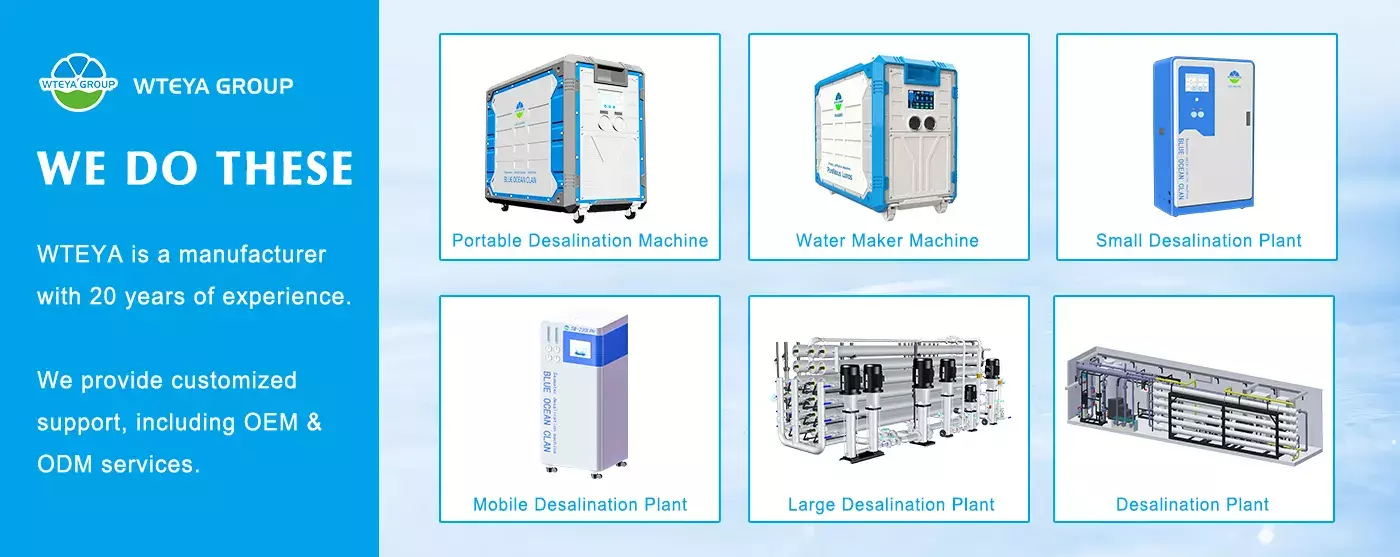
WTEYA provides a complete service package, including standardized wastewater treatment equipment and OEM/ODM customization. Each project receives a tailor-made process design and equipment specification. WTEYA collaborates with global partners and agents, ensuring professional equipment supply and technical support across different regions. The company supports project design, equipment supply, installation, commissioning, and long-term operation and maintenance, ensuring efficient and stable operation of municipal wastewater treatment plants.
Operation and Maintenance Advantages
WTEYA systems feature PLC automation, simplifying operation and enabling real-time water quality monitoring. Modular designs allow for fast maintenance and component replacement, minimizing downtime. High-quality, corrosion-resistant materials extend equipment life, reducing long-term costs. Intelligent aeration and circulation pump systems automatically adjust to water volume and load, saving energy while maintaining high biochemical efficiency.
Strategic Importance and Sustainable Benefits
Municipal wastewater treatment has evolved from simple “compliance discharge” to a comprehensive strategy for urban management, corporate operations, and environmental protection. By choosing WTEYA, clients achieve stable, high-quality effluent, save space, reduce operating costs, and comply with sustainable development and ESG standards, while leaving room for future expansion and upgrades.
WTEYA follows the philosophy of “Technology Serving Water Reality,” integrating automation, modularity, energy efficiency, and environmental protection to deliver reliable, intelligent, and high-performance wastewater treatment solutions for residential, industrial, and rural applications, ensuring long-term project stability and sustainable value.
Why Partner with WTEYA?
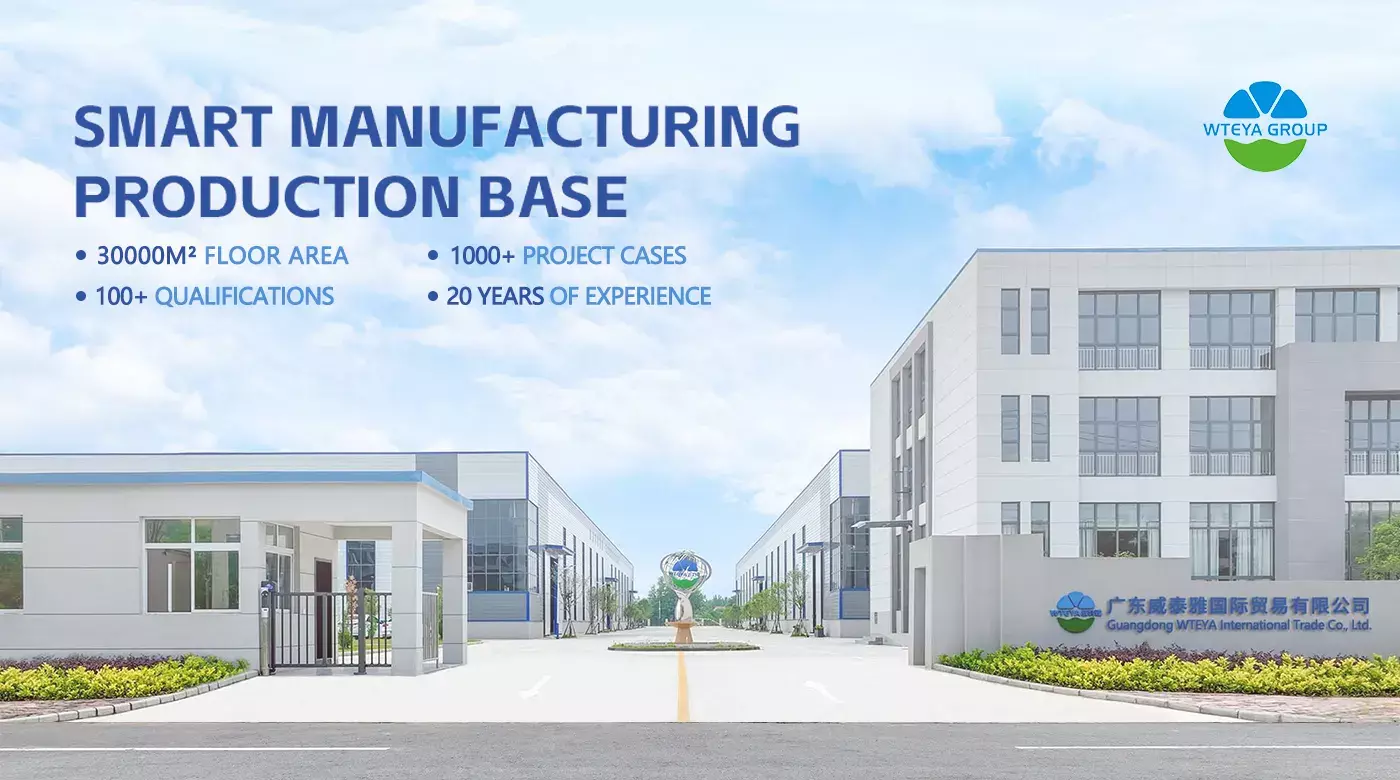
• Nearly 20 years of industry experience
• Trusted by global leaders including Foxconn, Huawei, Ganfeng Lithium, Ronbay Technology
• 100+ success cases worldwide
• OEM & ODM customization available
Become a WTEYA Distributor!
We are expanding global partnerships:
• Preferential policies
• Professional training
• Full technical support
Let us help you achieve exceptional water quality and operational sustainability!
📲 WhatsApp: +86-1800 2840 855
📧 Email: info@wteya.com
🌐 Website: www.wteya.com