







Low-Temperature Evaporation Drying Equipment
Menu
Latest News
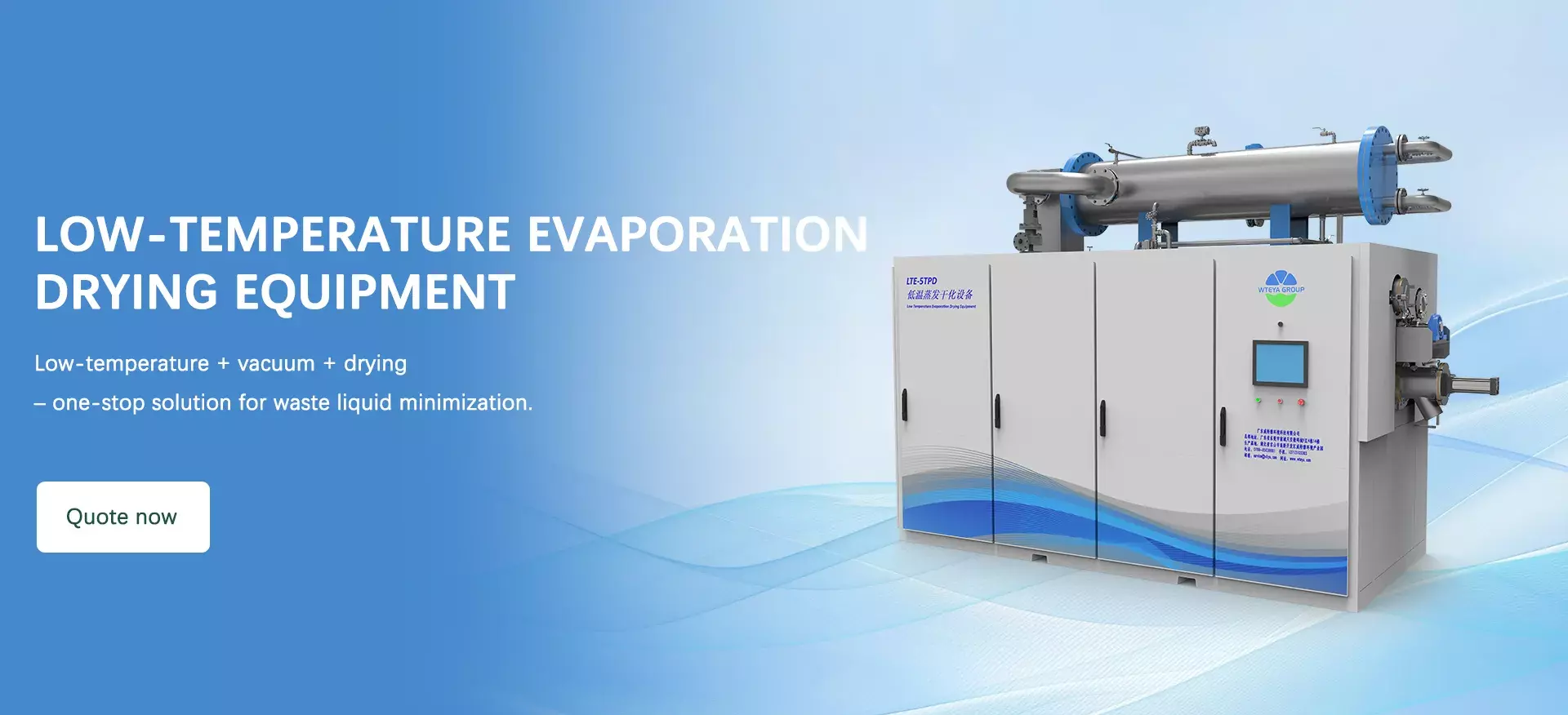
37℃–60℃ Waste Liquid
Evaporation Concentration & Drying
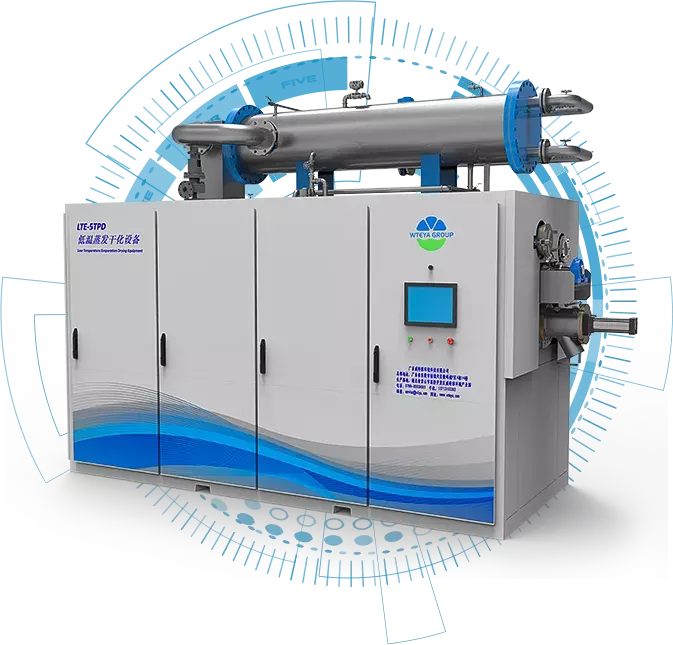
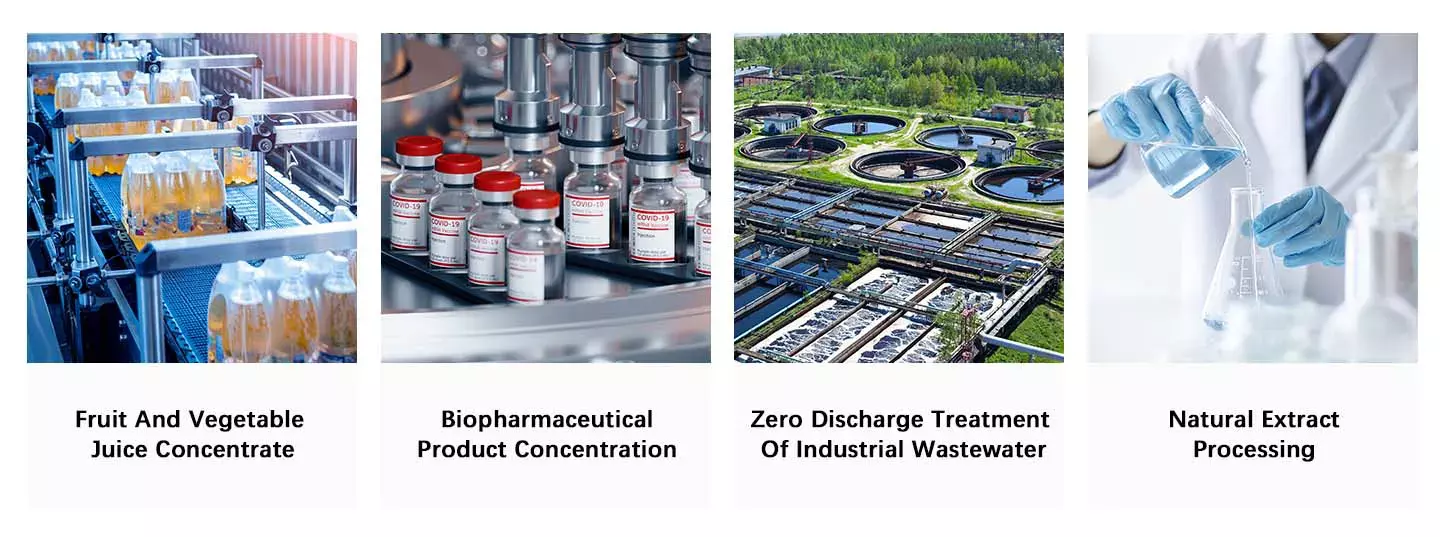
Low-temperature evaporation drying systems are used for the concentration and drying of various waste liquids in pharmaceuticals, fine chemicals, coal chemicals, lithium batteries, electroplating, electronics, food, and wastewater treatment. This equipment can achieve safe and stable concentration and solidification of high-concentration, high-salt, and heat-sensitive waste liquids, ensuring high-quality resource recovery.
Depending on the specific application, we offer a variety of evaporation equipment technologies, including
MVR evaporator
Low-temperature evaporator
Multiple-effect evaporator
Forced circulation evaporator
Low-Temperature Evaporation Drying System Costing
How much does a low-temperature evaporation drying system cost? To calculate the cost accurately, we recommend that you complete a questionnaire. We will then prepare a commercial offer taking into account all the features of your project. We are always ready to provide you with detailed information about different models, technical characteristics, and performance.
We offer a full range of services, from consultation and equipment selection to supply, installation, and configuration. Our goal is to provide you with the necessary equipment to effectively solve your waste liquid treatment problem.
So, you need to email us at info@wteya.com
Our manager will prepare an excellent quote for you
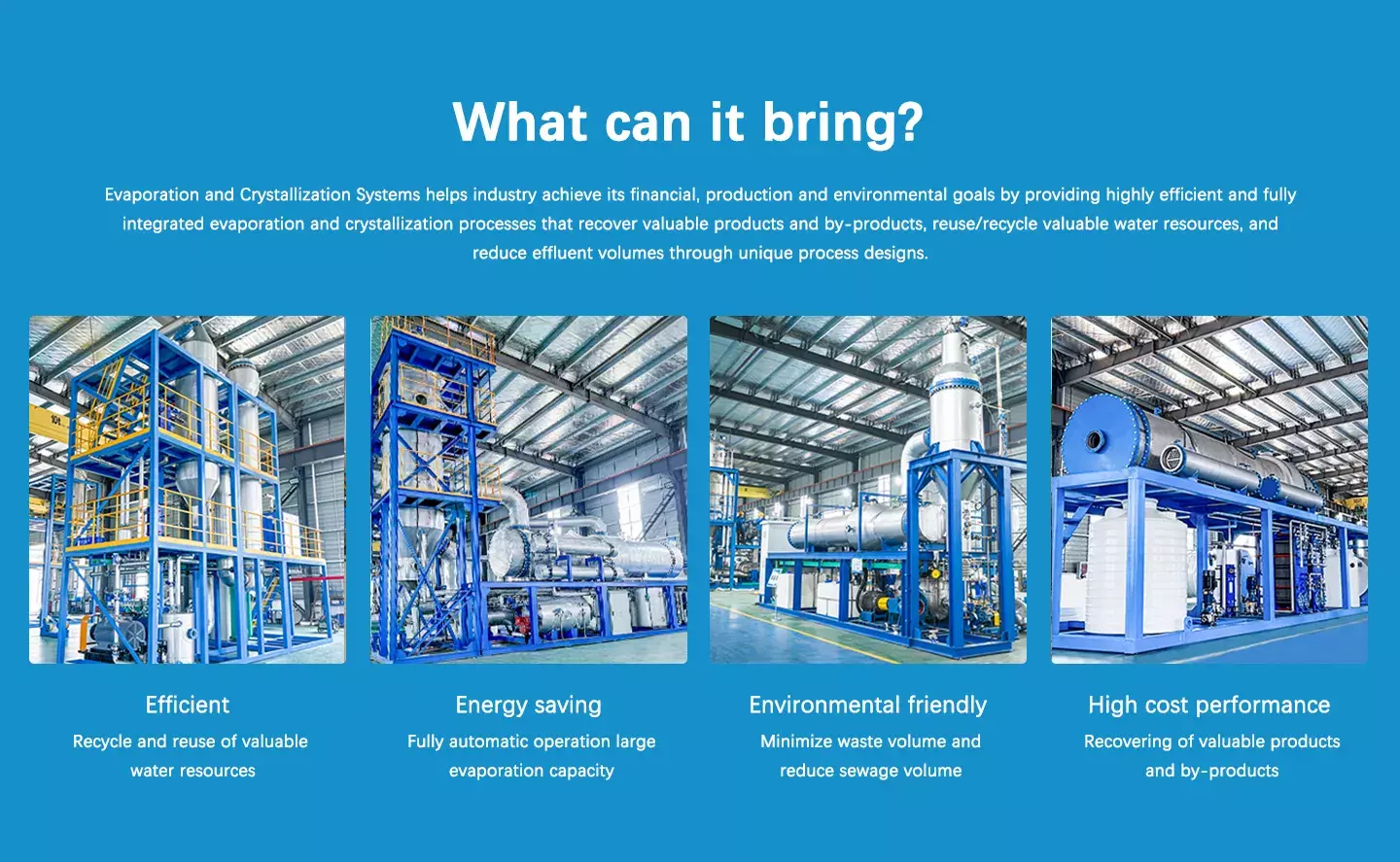
What does it consist of?
From R&D and engineering design to project execution – including equipment supply, commissioning, startup, and performance testing – WTEYA is a reliable project development partner. We support OEM & ODM customization, providing high-quality evaporation and drying systems for all industrial markets.
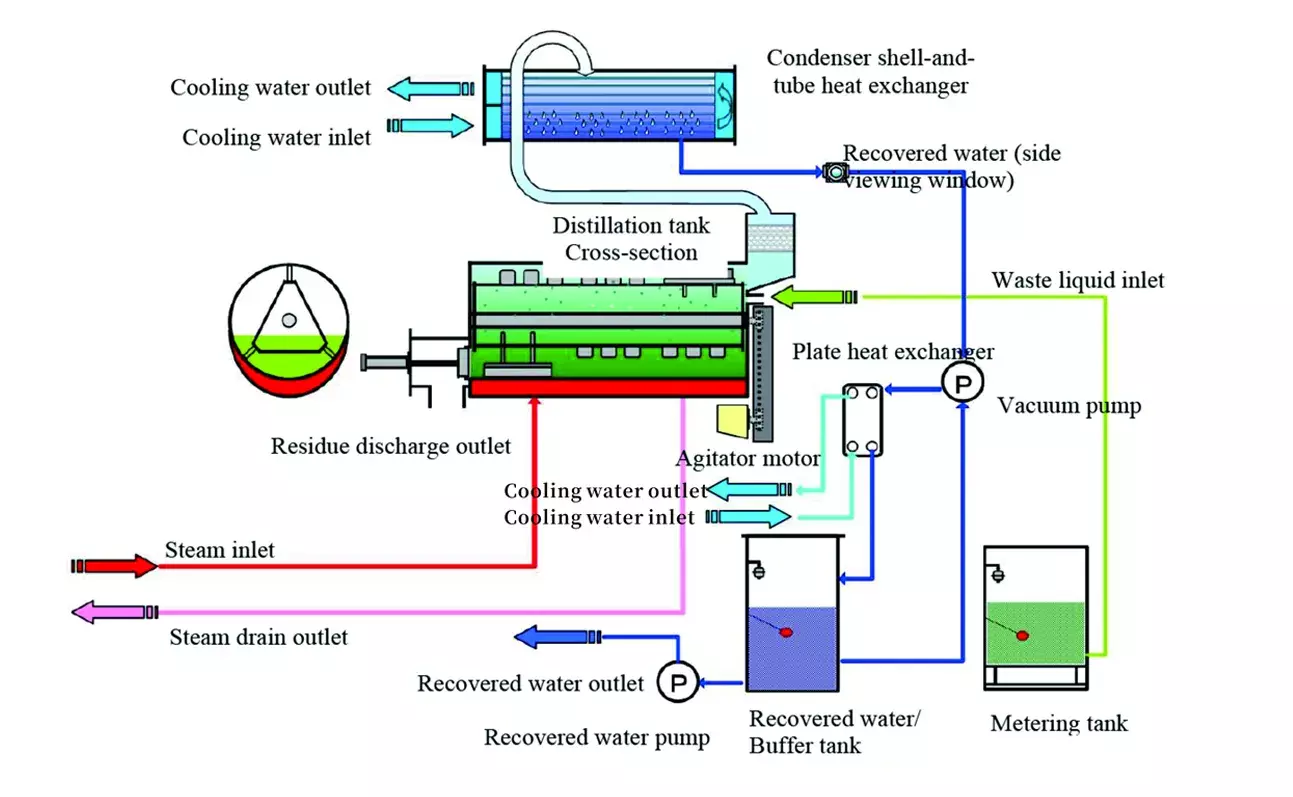
How it works
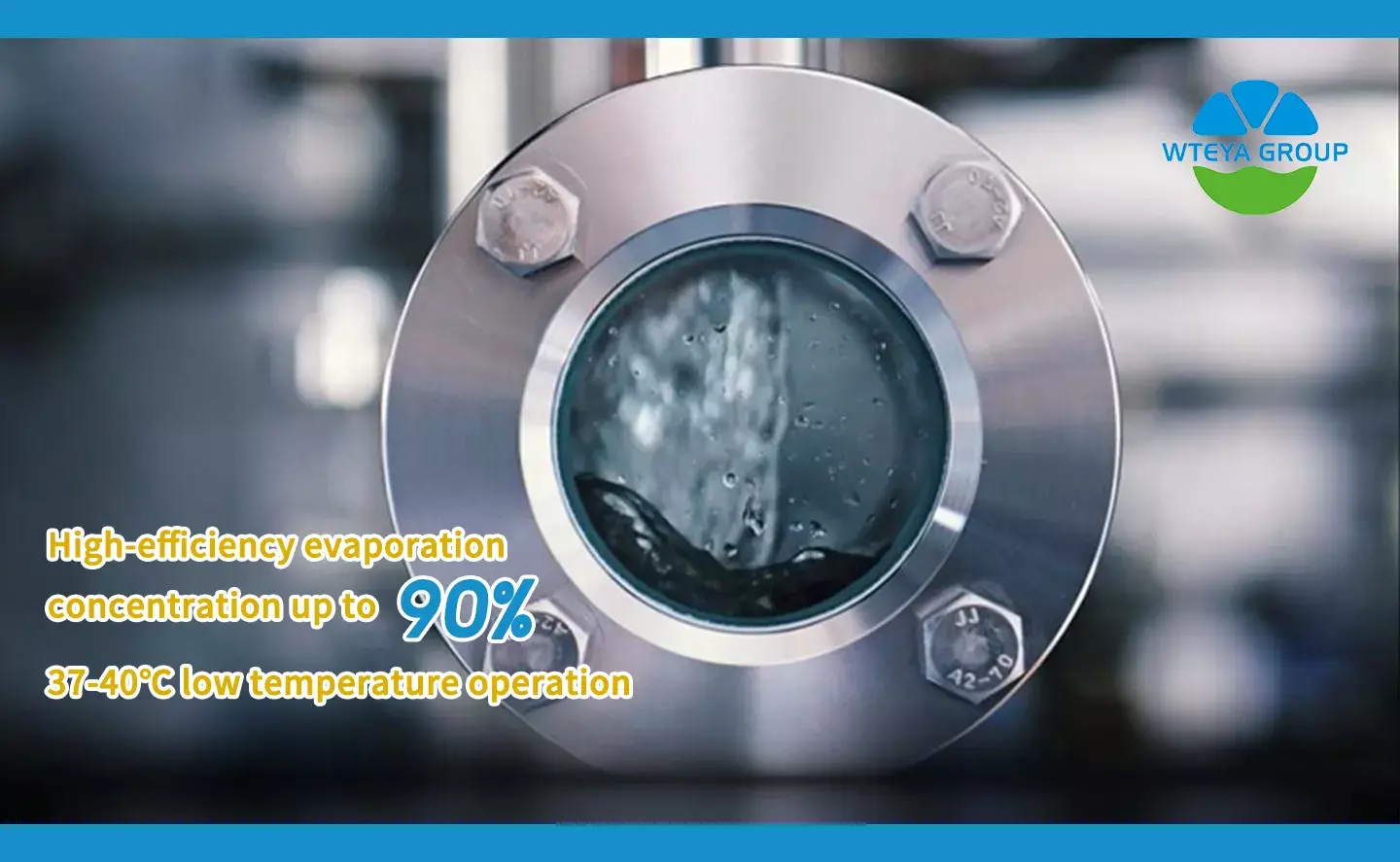
This device distills and dries the mother liquor under reduced pressure, maximizing waste liquid reduction. Its principle is similar to the boiling point of water at low atmospheric pressure in high-altitude areas: when the pressure in the container is reduced to approximately -90 MPa, water boils at around 50°C. This principle is used to achieve the evaporation, dehydration, concentration, and solidification of the mother liquor.
Traditional wastewater treatment equipment is expensive, complex, and space-consuming. Most companies treat high-concentration waste liquid as hazardous waste. Even when treatment equipment is available, it often uses filter presses and centrifugal dehydrators, which have limited dehydration effects. The moisture content of the residue after treatment is about 60%, and can reach 70%-80% after equipment aging, requiring filter cloth replacement and resulting in high treatment costs.
Compared to traditional methods, this device is simpler, has lower operating costs, and reduces the moisture content of the residue after treatment to about 10%. Simultaneously, the evaporated water is condensed and liquefied in a condenser, producing no harmful gases.
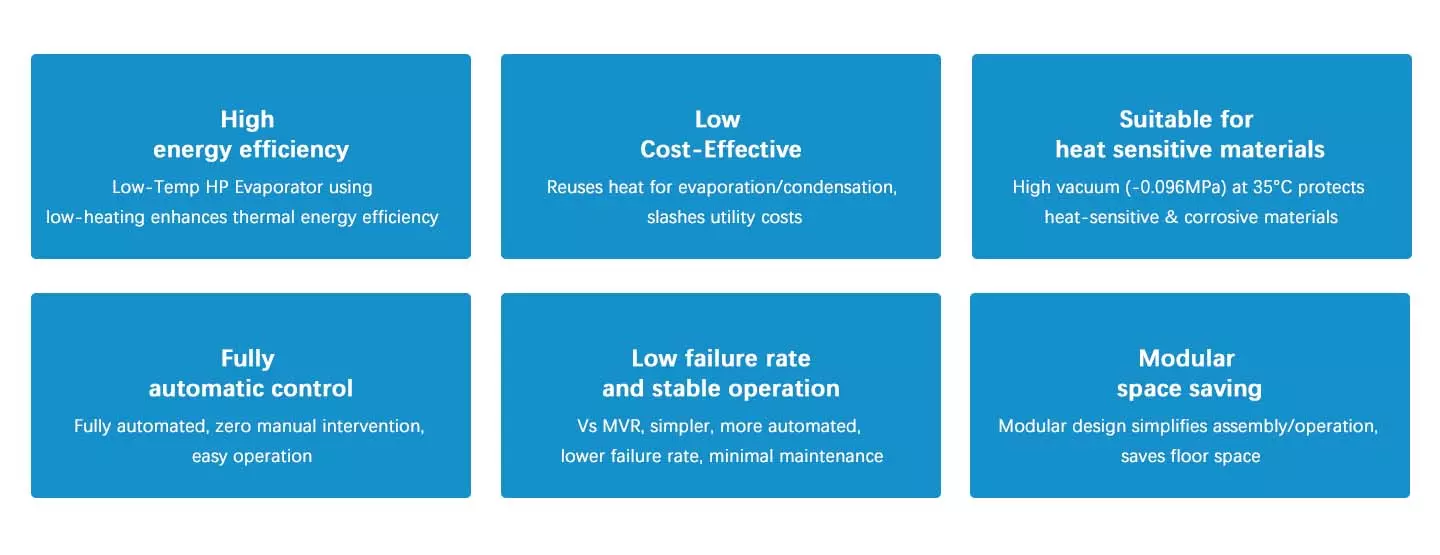
✅ Gentle drying: 40–60℃ low-temperature operation, no damage to heat-sensitive ingredients
✅ Energy-saving expert: 1 part electricity for 3–6 parts heat energy (COP 3–6)
✅ Hazardous waste reduction >80%: drastically lowers disposal costs
✅ Closed-loop solvent recovery: no gas leakage

Product Parameters
| Low-Temperature Evaporation Dryer | ||
| Model | Processing Capacity | Size |
| WTY-300 | 5TPD | 600x 1700x H3300 mm (including cylinders) |
Where is it used?
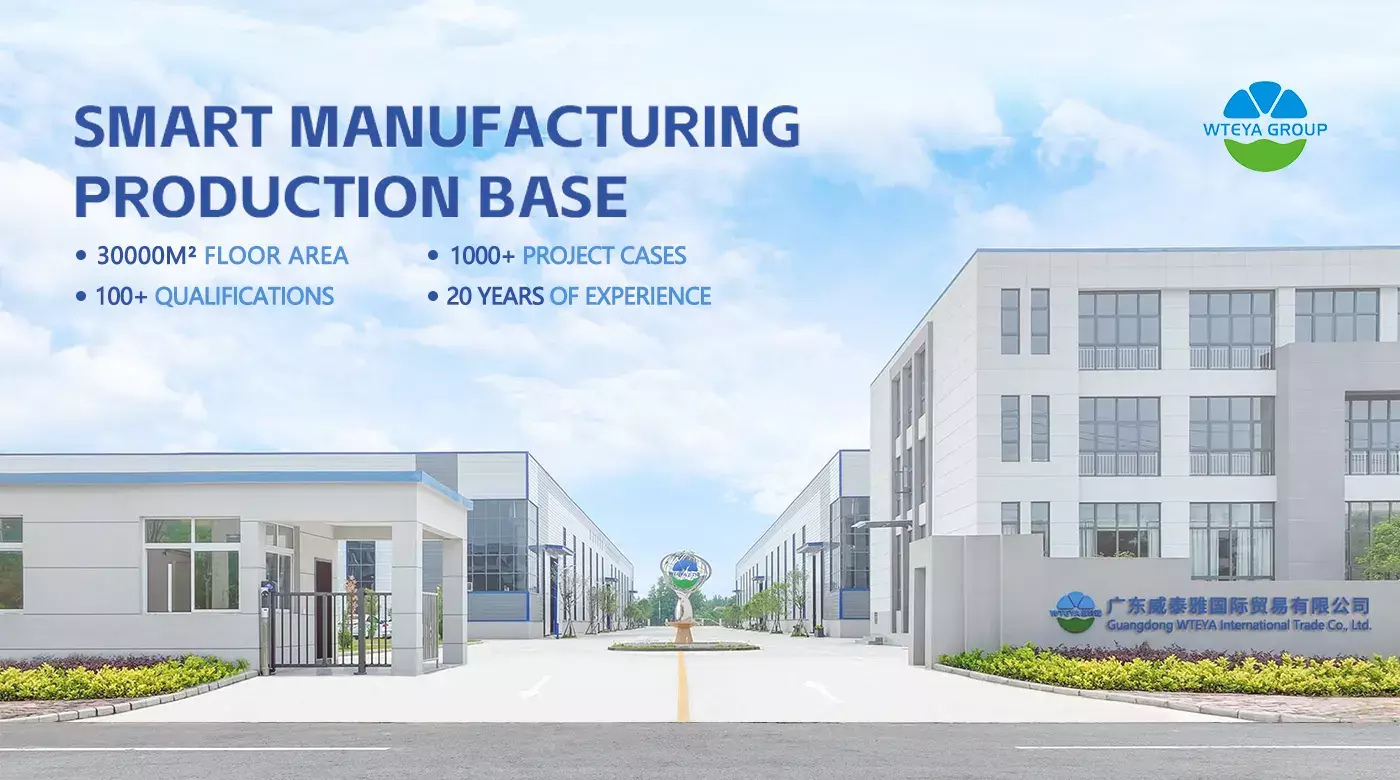
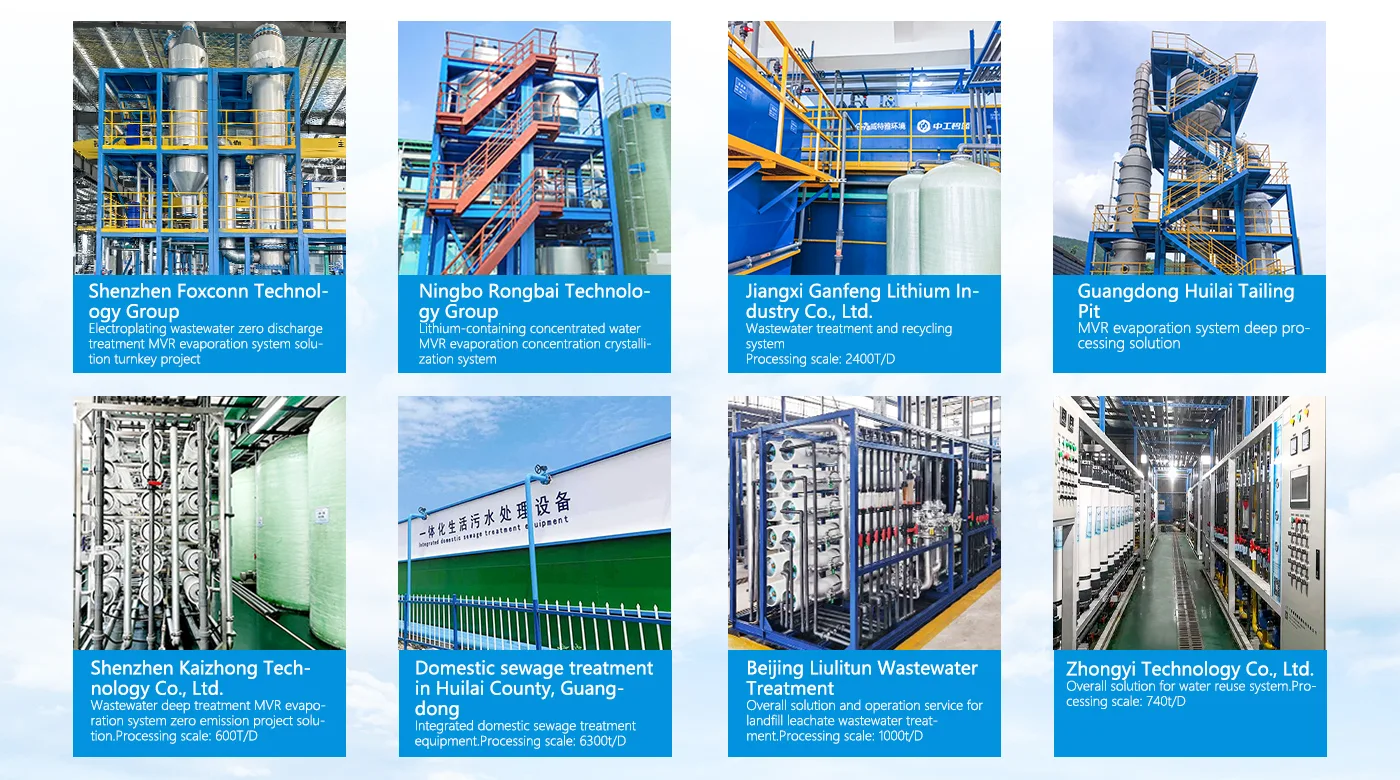
WTEYA Group experts have extensive experience in the calculation, design, and commissioning of low-temperature evaporation drying equipment for waste liquid concentration and solidification. We have successfully implemented numerous zero-liquid discharge and low-temperature evaporation drying projects across different industries and maintain a large database of mature technical solutions.
What advantages does it have
We offer a full range of services, from advice and assistance in selecting equipment to its supply, installation and configuration.
Our aim is to provide you with the necessary equipment to effectively solve the water treatment problems in your specific situation.
1
Recycling
Achieve zero liquid discharge and recover useful resources. Improve utilization.
2
High efficiency
Low operating cost, energy saving, environmental protection and pollution-free.
3
Modular design
Small footprint, continuous operation, easy maintenance and expansion.
4
Automation
PLC control system, fully automatic operation, easy to operate. High processing efficiency.
Previous: No More