







Why Can’t Rare Earth Wastewater Be Treated Only by Traditional Processes?
1. An Underestimated Industrial Pain Point
Rare earth elements are often referred to as the “vitamins of industry” because they are essential to national defense, new energy, and the electronics sector. However, during rare earth mining and separation processes, one long-overlooked issue persists—wastewater.
Rare earth wastewater is extremely complex and typically contains:
• High concentrations of dissolved solids (TDS ranging from tens of thousands to even hundreds of thousands mg/L)
• Heavy metal ions (lead, cadmium, arsenic, chromium, etc.)
• High levels of ammonia nitrogen
• Organic pollutants (such as extraction agents and kerosene-based compounds)
• Naturally occurring radioactive elements (uranium, thorium, etc.)
Faced with such a difficult wastewater matrix, one key question arises for all rare earth enterprises:Why are traditional treatment processes no longer sufficient?
2. Why Traditional Processes Fail in Practice
For many years, the rare earth industry has relied on conventional wastewater treatment methods such as neutralization–precipitation, coagulation, and biological treatment.
These methods may have been acceptable under earlier environmental standards, but today they reveal critical limitations:
| Limitation | Practical Impact |
|---|---|
| Ineffective for high-salinity systems | Extremely high TDS inhibits microbial survival; biological systems often collapse |
| Poor removal of dissolved pollutants | Ineffective for dissolved salts, low-concentration organics, and ammonia nitrogen |
| Excessive sludge generation | High-moisture sludge with complex composition, often classified as hazardous waste |
| Severe water resource waste | Treated water is typically discharged rather than reused, resulting in high loss |
| Unable to meet stricter regulations | Fails to comply with increasingly stringent rare earth industry discharge standards |
In short, traditional processes can no longer cope with modern environmental and regulatory requirements.
3. The Real Solution: From “Treatment” to “Resource Recovery”
After years of technical development and engineering practice, Wteya has proposed a new approach:
A comprehensive rare earth wastewater resource recovery solution based on the principle that wastewater is not a burden, but a misplaced resource.
Through an integrated system of pretreatment → resource recovery → reuse, the solution achieves three key objectives:
✅ Wastewater volume reduction
✅ Complete removal of heavy metals, organics, and salts
✅ Recovery of valuable resources such as rare earth elements, reusable water, and crystallized salts
4. MVR Evaporation System: Core Technology for Rare Earth Wastewater
At the core of this solution is the MVR (Mechanical Vapor Recompression) evaporation system, which addresses three major challenges that traditional processes cannot solve:
1. Wastewater concentration and volume reduction
• Reduces wastewater volume by 80%–95%
• Significantly lowers downstream treatment costs
• Facilitates solid recovery and disposal
2. Energy-efficient vapor reuse
• Saves 30%–50% energy compared with traditional multi-effect evaporation
• Reduces dependence on external steam sources
• Ensures stable and controllable operating costs
3. Dissolved solids crystallization for resource recovery
• Concentrates dissolved solids into crystallized salts
• Enables recovery of rare earth salts as chemical raw materials
• Reduces hazardous waste generation in line with “reduction, resource recovery, and harmless treatment” principles
5. Wteya’s Technological Advantages
Wteya does not rely on traditional “project-based engineering thinking.” Instead, it has restructured the evaporation system into an industrialized solution.
1. Productization – Moving away from site-based engineering
| Traditional Model | Wteya Approach |
|---|---|
| Custom-designed engineering projects | Standardized industrial products |
| On-site welding and assembly | Factory-tested integrated systems |
| Quality depends on site construction | Stable performance through pre-delivery testing |
2. Modular Design – 80% shorter installation time
• All modules are pre-assembled in the factory
• Transported directly to the project site
• Only pipeline and electrical connections required on-site
Customer value: faster deployment, lower installation complexity, reduced footprint, and lower investment risk.
3. Intelligent Control – Lower operating costs
The MVR system is equipped with a cloud-based intelligent control platform:
| Function | Value |
|---|---|
| 24/7 unmanned operation | No on-site operator required |
| Remote monitoring & diagnostics | Engineers can access system status anytime |
| Data-driven optimization | Automatic parameter tuning reduces energy consumption |
Result: significantly reduced labor costs and faster fault response—from days to minutes.
6. Full Process Resource Recovery for Rare Earth Wastewater
Wteya’s integrated solution covers the entire treatment chain:
Wastewater → Pretreatment → Resource Recovery → MVR Evaporation Crystallization → Output
| Stage | Function | Output |
|---|---|---|
| Pretreatment | Remove suspended solids, adjust pH, soften hardness, break complex compounds | Stable feedwater for downstream systems |
| Resource recovery | Membrane separation or selective adsorption | Recovery of rare earth elements and valuable metals |
| MVR evaporation | Concentration and crystallization | Reusable high-purity water + crystallized salts/residues |
Final result: near-zero liquid discharge with full resource utilization.
7. Why Now Is the Best Time for Transformation
The rare earth industry is currently at a critical turning point:
| Driver | Market Reality |
|---|---|
| Stricter environmental regulations | Rare earth sector under key national environmental inspections |
| Rising water costs | Industrial water pricing and discharge fees continue to increase |
| Valuable resource recovery | High rare earth prices make recovery economically viable |
| Mature technology | Productized, modular, intelligent MVR systems reduce cost barriers |
Conclusion: Traditional processes have reached their limits, while resource recovery has become the only sustainable direction.
Conclusion:
Why can’t rare earth wastewater be treated only with traditional processes?
❌ Traditional methods cannot handle high salinity
❌ They cannot remove dissolved contaminants effectively
❌ They generate excessive hazardous sludge
❌ They waste valuable water resources
❌ They fail to meet modern regulatory requirements
In contrast, Wteya’s “pretreatment → recovery → reuse” solution, centered on the MVR evaporation system, enables:
• Water reduction
• Resource recovery
• Near zero liquid discharge
• Intelligent low-cost operation
Rare earth resources are strategically important to national industries, and environmental capability is now a core competitive advantage. Choosing Wteya means moving beyond wastewater constraints and unlocking the full value of every drop of water.
Why Partner with WTEYA?
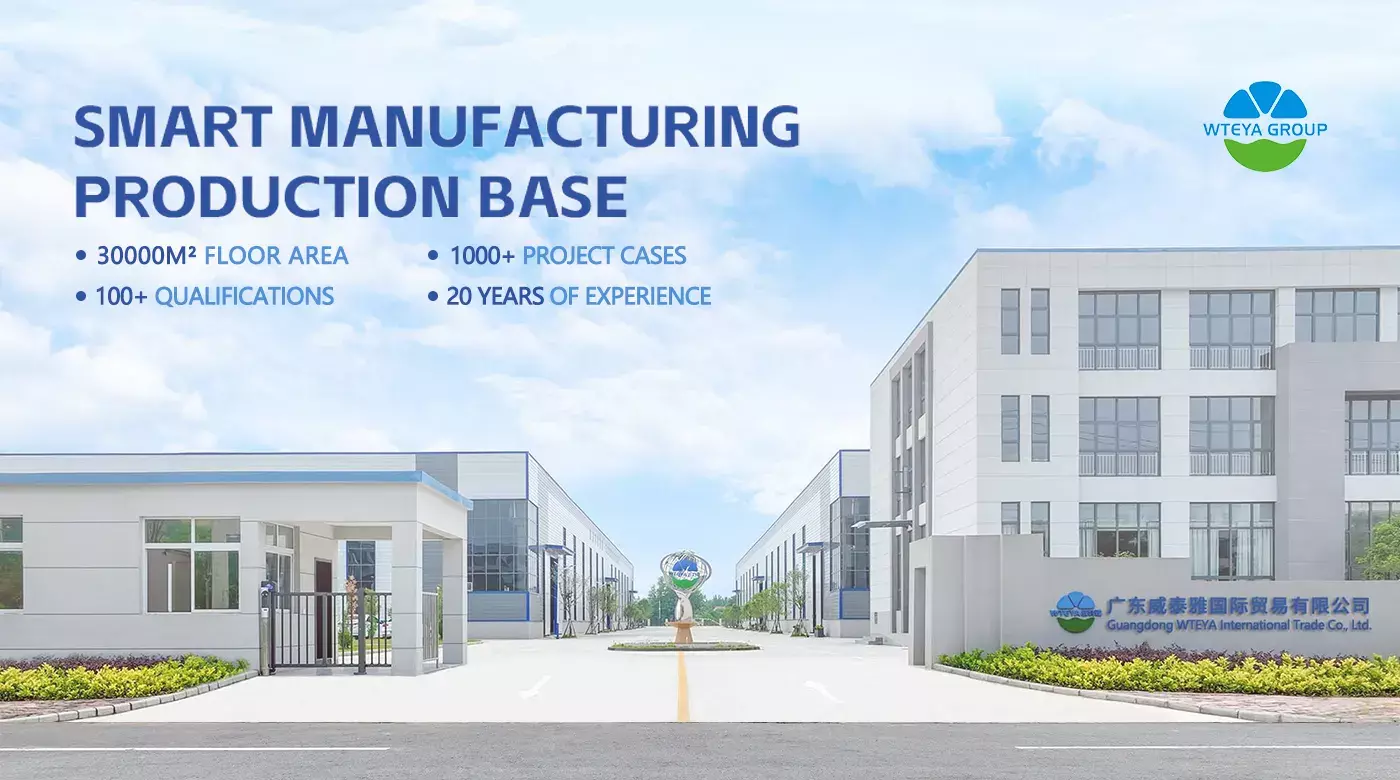
• Nearly 20 years of industry experience
• Trusted by global leaders including Foxconn, Huawei, Ganfeng Lithium, Ronbay Technology
• 100+ success cases worldwide
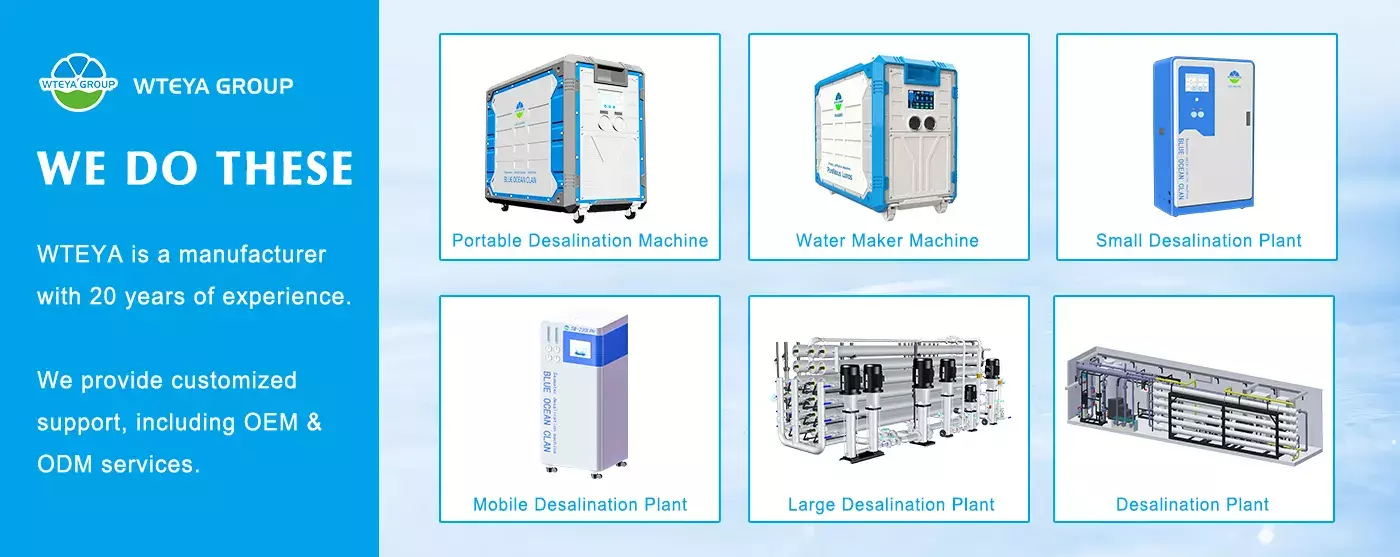
• OEM & ODM customization available
Become a WTEYA Distributor!
We are expanding global partnerships:
• Preferential policies
• Professional training
• Full technical support
Let us help you achieve exceptional water quality and operational sustainability!
📲 WhatsApp: +86-1800 2840 855
📧 Email: info@wteya.com
🌐 Website: www.wteya.com
Previous: Why Do We Need Zero Liquid Discharge (ZLD) for Wastewater?
Next: No More